Exploring Japan with Cultural Quotes & Packing Guide
Japan is a country where ancient traditions and modern life exist side by side, creating experiences that stay with you long after the journey ends. Exploring Japan with Cultural Quotes & Packing Guide is designed for travelers who want to understand Japan beyond sightseeing. Cultural quotes help capture the values, beauty, and quiet wisdom found in daily Japanese life, while the packing guide ensures you arrive prepared for seasons, etiquette, and long walking days. Together, these insights make your trip smoother, more meaningful, and easier to plan—perfect for travelers who want inspiration and practical clarity in one place.
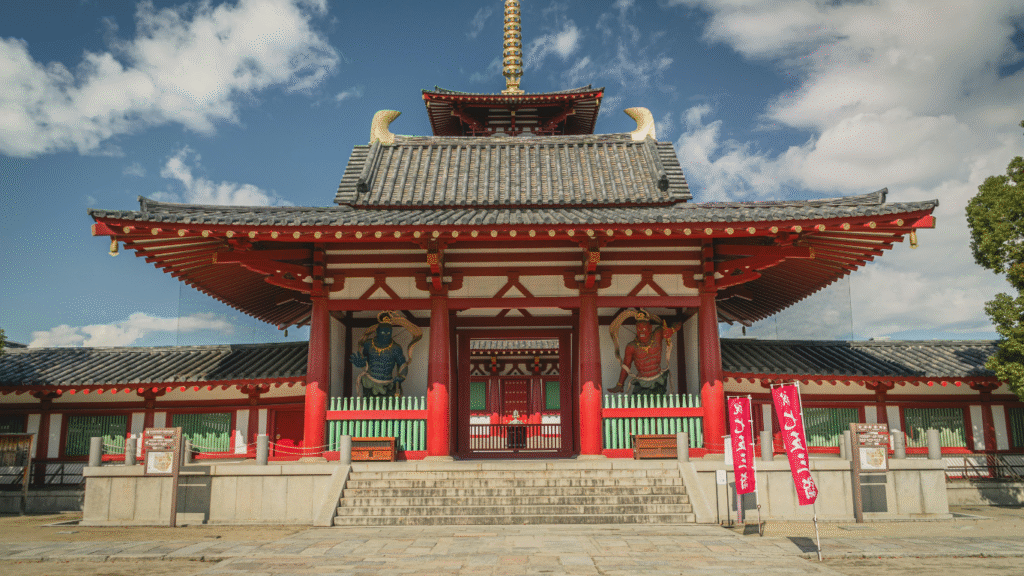
• Temples teach patience, gardens teach presence, and streets teach curiosity.
• In Japan, every corner holds a story waiting to be noticed.
• Cherry blossoms remind us that beauty is fleeting and precious.
• Tradition and modernity walk side by side on every street.
• Bow with respect, walk with mindfulness, live with awareness.
• Shrines and alleys speak louder than any guidebook.
• Tea ceremonies show that simplicity carries depth.
• Pack light: layers, comfy shoes, and curiosity fit every journey.
• Minimalism in luggage mirrors the calm of Japanese aesthetics.
• Every step reveals culture, history, and subtle wonder.
• Local markets teach lessons more than any classroom.
• Streets and temples reward travelers who observe quietly.
• Proper packing preserves energy for discovery, not burden.
• Japan inspires through details, rituals, and mindful movement.
• Travel slow, pack smart, and let culture guide your path.
Exploring Japan blends ancient traditions with modern life. Inspirational quotes encourage travelers to savor tea ceremonies, cherry blossoms, and the culture’s balance of respect and harmony.
Pack smart for Japan: include climate-friendly layers, comfortable shoes, necessary tech, and modest temple attire to ensure stress-free comfort and cultural respect.
Embrace Japan’s culture through etiquette and phrases. Mindful travel, combined with open-mindedness and respect, ensures deep, lasting memories of its wonders.
Essential Japan Travel Tips for First-Time Visitors
• Learn basic phrases; respect opens doors faster than maps.
• Carry cash—many places don’t accept cards.
• Public transport is punctual; follow etiquette and schedules closely.
• Shoes off in homes, temples, and some restaurants.
• Pack light; Japan’s convenience stores make essentials easy to find.
• Tipping is uncommon; politeness replaces gratuity.
• Try local food; street stalls often offer hidden gems.
• Research cultural norms to avoid accidental offense.
• Seasonal attractions vary greatly; check bloom or festival schedules.
• Rail passes save money and simplify travel between cities.
• Bring a reusable bag; eco-friendliness is appreciated.
• Respect quiet zones in trains and public spaces.
• Early mornings reveal less crowded temples and streets.
• Carry a portable Wi-Fi device or SIM card for navigation.
• Observe bowing customs; it signals respect more than words.
Seamless first-time Japan travel requires planning: master basic etiquette, regional sightseeing, and budgeting to maximize time and enhance local interactions.
Researching seasonal events and cultural norms is essential. Combining flexibility with awareness minimizes stress, ensuring a fully engaging and memorable first-time Japan adventure.
1. Plan Your Itinerary Ahead of Time
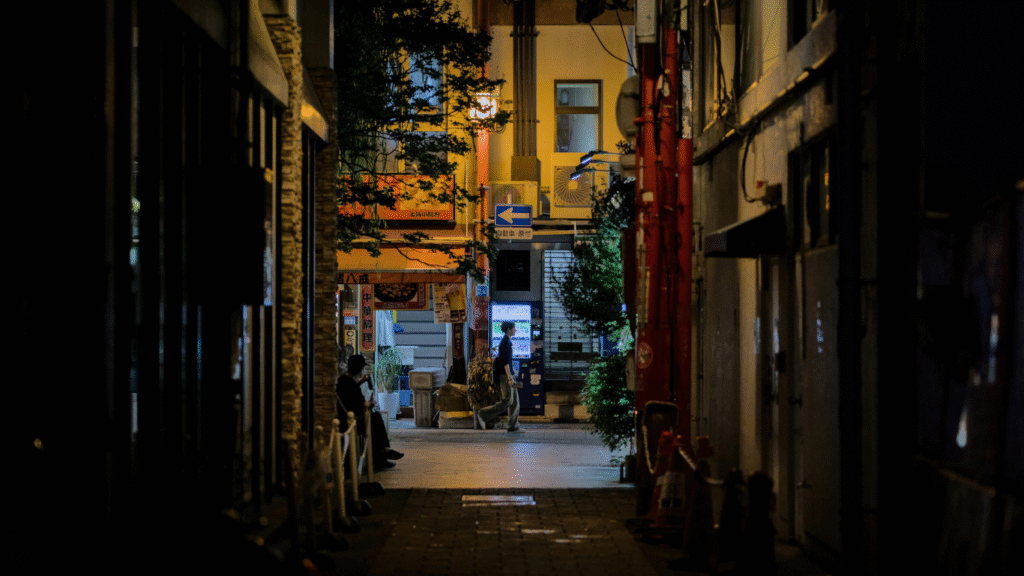
Plan your Japan itinerary to maximize enjoyment: include top spots like Tokyo and Kyoto, factor in Shinkansen travel, and book accommodations early for a seamless trip.
2. Learn Basic Japanese Phrases and Etiquette
Learning simple phrases and respecting etiquette—like bowing and not tipping—ensures smoother travel, creates positive local interactions, and deepens cultural appreciation.
3. Prepare for Cash and Transportation Needs
Carry yen as cash is often needed. Use a Japan Rail Pass for inter-city travel, understand local transport, and secure Pocket WiFi for confident, stress-free exploration.
Pocket WiFi and Japan Rail Pass – Must-Haves for Smooth Travel
• Pocket Wi-Fi keeps maps, translations, and plans always within reach.
• Reliable connectivity turns navigation stress into simple direction-following.
• Rail passes save money and unlock flexible, efficient travel across cities.
• Pre-booked passes reduce waiting and simplify station transfers.
• Pocket Wi-Fi ensures instant access to local tips and schedules.
• Rail passes encourage exploring beyond major tourist hubs.
• Connectivity and transport cards make spontaneous plans possible.
• With Wi-Fi, offline maps become backup, not necessity.
• Rail passes help maximize time on journeys, not queues.
• Pocket Wi-Fi supports communication, booking, and emergencies seamlessly.
• Japan’s punctual trains reward preparation and smart passes.
• Travel light with digital passes and constant internet access.
• Smooth travel starts with connectivity and efficient rail options.
• Combining Wi-Fi and rail passes expands freedom without extra cost.
• Every journey flows easier with tools that keep you informed and mobile.
A rented Pocket WiFi ensures crucial connectivity and translation. The indispensable JR Pass offers unlimited train travel, collectively simplifying multi-city Japan exploration.
Pocket WiFi and the JR Pass reduce travel stress, enabling cost-effective, spontaneous exploration. These indispensable tools maximize efficiency for a memorable Japanese adventure
1. Pocket WiFi – Stay Connected Anywhere in Japan
Pocket WiFi is essential for Japan travel, ensuring reliable internet for navigation and translation. Renting this device saves time, reduces stress, and guarantees connectivity anywhere.
2. Japan Rail Pass – Travel Smart and Save
The Japan Rail Pass is essential for multi-city visitors, offering unlimited, cost-saving travel on JR trains and Shinkansen. Purchase it before arrival for maximum convenience and value.
3. Tips for Using Pocket WiFi and Japan Rail Pass Together
Combining Pocket WiFi with the JR Pass ensures seamless connectivity for real-time schedules. This duo allows efficient, stress-free exploration across all of Japan.
Getting Around Japan – Trains, Maps, and Navigation Made Simple
• Japan’s trains run like clockwork—plan, board, and enjoy.
• Maps are best paired with digital navigation tools for clarity.
• Rail networks connect cities, towns, and hidden gems efficiently.
• Public transport etiquette ensures smooth journeys for everyone.
• Walking often reveals small streets that maps overlook.
• Station signage is clear; follow colors and numbers carefully.
• Mobile apps simplify ticketing, schedules, and route planning.
• Local buses complement trains for destinations off the main lines.
• Cycling can be a fun, scenic way to explore neighborhoods.
• Timing matters: avoid rush hours for a more relaxed experience.
• Pocket Wi-Fi supports real-time directions anywhere in Japan.
• Combining trains, buses, and walking maximizes coverage without stress.
• Learn a few kanji for stations; it eases navigation significantly.
• Rail passes make longer trips seamless and cost-effective.
• Smart planning turns complex transport networks into simple adventures.
Japan’s rail system can be overwhelming. Use Google Maps for navigation and understand station layouts to ensure smooth, stress-free travel between destinations.
Efficiently use rail passes by planning connections, understanding train types, and observing etiquette. Combining planning and apps ensures smooth, enjoyable Japanese journeys.
1. Mastering Japan’s Rail System – JR Lines and Beyond
Japan’s efficient rail network (JR and private) is the easiest way to travel. Understanding passes and planning routes ensures smooth navigation and a cultural experience.
.
2. Using Google Maps and Apps for Seamless Navigation
Google Maps and apps like Hyperdia are indispensable for real-time navigation, train schedules, and effortless, stress-free travel planning across Japan.
3. Navigating Stations and Understanding Rail Etiquette
Navigate crowded Japanese stations by observing signage, orderly queues, and escalator etiquette. Patience and planning ensure smooth, enjoyable, and efficient train travel.
Money in Japan – Why Cash is King and How to Be Prepared
• Japan relies heavily on cash; many shops and restaurants don’t take cards.
• Always carry small bills and coins for convenience.
• ATMs at 7-Eleven and post offices accept international cards.
• Cash ensures smooth transactions in temples, markets, and local eateries.
• Pre-exchange some yen before arrival for initial expenses.
• Coins are essential for vending machines, lockers, and small purchases.
• Avoid relying solely on credit cards; backup cash is critical.
• Mobile payments are growing but still not universal.
• Keep money organized to prevent stress during busy travel days.
• Using cash encourages slower, more mindful spending.
• Always check ATM operation hours; some close at night.
• Cash tips are unnecessary; politeness replaces gratuity.
• Budget daily with a mix of cash and cards for flexibility.
• Emergency cash ensures travel continuity if cards fail.
• Being prepared with cash makes exploring Japan effortless and calm.
Carry enough Japanese Yen and small bills, as cash is king in Japan. Knowing exchange spots and ATM compatibility ensures smooth, stress-free transactions.
Utilize convenient 7-Eleven ATMs and budget daily spending. Combining cash and limited card use ensures financial flexibility and secure, stress-free travel across Japan.
1. Why Cash is Essential in Japan
Cash remains the primary payment in Japan, especially in small shops and rural areas. Carrying yen and knowing reliable ATM locations ensures flexibility and stress-free payment.
2. How Much Money to Bring
Carry ¥50,000–¥70,000 cash for a week, plus a buffer. Divide funds for safety, and check exchange rates beforehand to prevent stress abroad.
3. Where and How to Exchange Money
Exchange yen beforehand for better rates, or use reliable 7-Eleven ATMs. Advising your bank and combining cash/ATM access ensures smooth, uninterrupted spending.
Power Outlets, Voltage, and Tech Essentials for Travelers in Japan
• Japan uses Type A and Type B plugs with 100V voltage.
• Bring a reliable universal adapter to charge all devices.
• Check device compatibility; some electronics may require a voltage converter.
• Pack a power bank for long train rides and sightseeing days.
• Multi-port chargers save space and keep multiple devices ready.
• Hotels often provide limited outlets; adapters help avoid conflicts.
• Keep cables organized to prevent loss or damage while traveling.
• Pocket Wi-Fi or local SIM cards require charging daily.
• Small surge protectors can safeguard sensitive electronics.
• Lightweight extension cords help in shared accommodations or cafes.
• Label chargers to avoid mix-ups in shared spaces.
• Tech essentials streamline navigation, translation, and communication.
• Ensure cameras, phones, and laptops are compatible before departure.
• A compact travel kit keeps all devices powered without clutter.
• Planning charging habits prevents stress and keeps adventures uninterrupted.
Japan uses Type A/B, 100V. Pack adapters and chargers—potentially converters—to ensure your essential tech remains operational for smooth, connected travel.
Essential tech—Pocket WiFi, chargers, translators—must be organized and checked for compatibility. This preparation ensures seamless connectivity, letting you focus on sightseeing.
1. Understanding Japan’s Power Outlets
Japan uses Type A/B outlets. Carry a compact travel adapter for charging essential devices like phones and cameras, ensuring hassle-free and ready-to-use tech.
2. Voltage and Device Compatibility
Japan is 100V. Check if your electronics are dual-voltage; if not, pack a converter to prevent damage and avoid costly mistakes with essential devices.
3. Must-Have Tech Essentials for Your Trip
Power banks and universal chargers are essential for long days in Japan. These tech tools, plus extra memory cards, ensure smooth connectivity and stress-free travel.
Language and Etiquette in Japan – Simple Ways to Show Respect
• Learn basic greetings like “Konnichiwa” and “Arigatou” to show courtesy.
• Bowing expresses respect; the depth depends on context.
• Remove shoes when entering homes, temples, and some restaurants.
• Speak softly in public spaces and on trains.
• Avoid pointing or gesturing aggressively; use hands gently.
• Queue patiently and follow lines, especially at stations and attractions.
• Refrain from eating while walking; meals are meant to be stationary.
• Handle money or items with both hands as a sign of respect.
• Avoid tipping; politeness replaces gratuity in Japan.
• Cover tattoos in traditional settings if culturally sensitive.
• Respect personal space and maintain quiet in public transport.
• Use polite phrases like “Sumimasen” (excuse me) to get attention.
• Observe local customs at shrines and temples carefully.
• Hand over business cards or documents with both hands.
• Small gestures of awareness and politeness leave a strong positive impression.

Learn basic Japanese phrases and etiquette, like bowing and no tipping. Showing this respect improves local interactions and enhances your overall travel experience.
Observe politeness in Japan: remove shoes, follow table manners, and respect all public signs. This simple etiquette ensures smoother, more enjoyable travel and positive interactions.
1. Master the Art of Bowing – A Gesture of Respect
Bowing is an integral part of Japanese culture, used for greetings, gratitude, and apologies. The depth and duration of a bow reflect the level of respect. A slight bow is casual, while a deeper bow shows sincere reverence. Practicing this simple gesture can make a positive impression on locals. Combine it with a polite “arigatou” (thank you) or “sumimasen” (excuse me) for extra courtesy. Bowing also applies in temples, shrines, and formal settings. Observing locals can help you get the timing and posture right.
2. Polite Communication – Using Respectful Language
Even if you don’t speak Japanese fluently, using basic polite phrases shows consideration and respect. Words like “onegaishimasu” (please), “arigatou gozaimasu” (thank you), and “sumimasen” (excuse me) go a long way. Avoid raising your voice in public, as calm and quiet communication is valued. Listening attentively and nodding while someone speaks demonstrates good manners. Using two hands when giving or receiving items is another subtle way to show respect. Small gestures often matter more than words.
3. Cultural Etiquette – Navigating Social Norms
Japan has many social norms that travelers should be aware of to avoid misunderstandings. Avoid tipping, as service is already included and can be considered rude. Stand in orderly lines, especially at train stations or bus stops. Always remove shoes when entering homes, temples, or traditional inns. Respect personal space in public transport and avoid loud phone conversations. Observing local behavior and copying polite customs helps create positive interactions. A respectful attitude opens doors to meaningful cultural experiences.
Packing List for Japan – Clothes, Essentials, and Souvenir Space
• Pack light layers; temperatures vary by season and region.
• Comfortable walking shoes are essential for exploring cities and temples.
• Include a compact rain jacket or umbrella for sudden showers.
• Casual and modest clothing works best for temples and shrines.
• Bring socks for indoor spaces where shoes are removed.
• Toiletries can be purchased locally, so pack only essentials.
• Travel-size electronics and chargers save space in your bag.
• Reusable shopping bag helps carry souvenirs and groceries.
• Small backpack or day bag is ideal for daily excursions.
• Lightweight sleepwear and undergarments keep luggage minimal.
• A hat, sunglasses, and sunscreen protect from sun exposure.
• Pack a few reusable masks for crowded transport or city streets.
• Keep passport, tickets, and cash organized in a secure pouch.
• Leave space for souvenirs, snacks, and gifts collected along the way.
• Minimal, versatile packing allows comfort, mobility, and cultural adaptability.
| Clothing for Weather | Pack lightweight layers for spring/autumn, warm clothes for winter, and breathable fabrics for summer. |
| Comfortable Footwear | Essential for walking long distances in cities, temples, and natural attractions. |
| Tech and Gadgets | Pocket WiFi, chargers, adapters, portable batteries, and camera equipment. |
| Travel Essentials | Passport, travel insurance, reusable water bottles, maps, and daypack for excursions. |
| Cultural Considerations | Modest attire for temples, scarves for covering shoulders, and appropriate shoes for shrines. |
| Souvenir Space | Leave extra room in luggage for shopping, gifts, and unique finds from markets. |
| Toiletries & Personal Items | Basic hygiene items, medications, and a small first-aid kit for convenience. |
H2: Enjoy Japan with Confidence – Safety, Itineraries, and Lasting Memories
- Japan is one of the safest countries to travel, but having travel insurance adds an extra layer of security.
- Plan itineraries by region to maximize time and explore major cities like Tokyo, Kyoto, Nara, and scenic sites like Mount Fuji.
- Include day trips and off-the-beaten-path locations for a richer experience beyond standard tourist spots.
- Practice mindful travel by respecting cultural norms and engaging with locals respectfully.
- Keep emergency contacts and copies of important documents handy to ensure peace of mind.
- Embrace spontaneous adventures while balancing them with pre-planned activities for a fulfilling journey.
- Capture memories through photography, journaling, or social media while being present in each moment.
FAQ’s
1. What is the best way to explore Japan with cultural quotes in mind?
Exploring Japan with cultural quotes & packing guide helps you appreciate traditions, etiquette, and local experiences while planning your essentials efficiently.
2. How can a packing guide enhance my first trip to Japan?
A packing guide ensures you bring weather-appropriate clothes, tech essentials, and souvenirs space, making exploring Japan with cultural quotes more seamless and enjoyable.
3. Are there must-have items recommended in the Japan packing guide?
Yes! Essentials include pocket WiFi, adapters, comfortable shoes, and layered clothing—perfect for exploring Japan with cultural quotes and iconic destinations.
4. Can cultural quotes influence how I experience Japan?
Absolutely! Reflecting on cultural quotes while exploring Japan encourages mindfulness, respect, and deeper connection with temples, festivals, and everyday life.
5. How can I start my adventure with this Japan guide?
Use this exploring Japan with cultural quotes & packing guide to plan your itinerary, pack smart, and embrace local customs—creating memories that last a lifetime.
_________________________________________________________________________
Conclusion
Exploring Japan with Cultural Quotes & Packing Guide opens the door to a journey filled with unforgettable experiences and meaningful connections. From bustling cities like Tokyo to serene temples in Kyoto, understanding Japan’s culture and etiquette enhances every moment of your trip. By preparing a thoughtful packing list and equipping yourself with essentials like pocket WiFi, rail passes, and weather-appropriate clothing, you ensure a seamless and stress-free adventure. Infusing your travels with cultural awareness allows you to engage more deeply with locals and traditions, making each experience richer and more memorable.
Japan’s charm lies in its balance of the modern and the traditional, where neon-lit streets coexist with ancient shrines, and culinary delights tell stories of centuries-old customs. By embracing cultural quotes and insights, you gain a unique perspective that transforms ordinary sightseeing into meaningful exploration. Thoughtful planning, combined with an open mind, allows first-time visitors to navigate Japan confidently while discovering hidden gems and creating lasting memories.
Step into Japan prepared, respectful, and inspired, and let your journey become a story worth sharing. Every moment, from capturing scenic views to tasting local delicacies, contributes to a travel experience that is both enriching and transformative. Start planning today with this Exploring Japan with Cultural Quotes & Packing Guide, and embark on your adventure with confidence, curiosity, and a heart ready to embrace the wonders of Japan.
Do Follow:”voyagequotesandgear.com“