

What is product information?

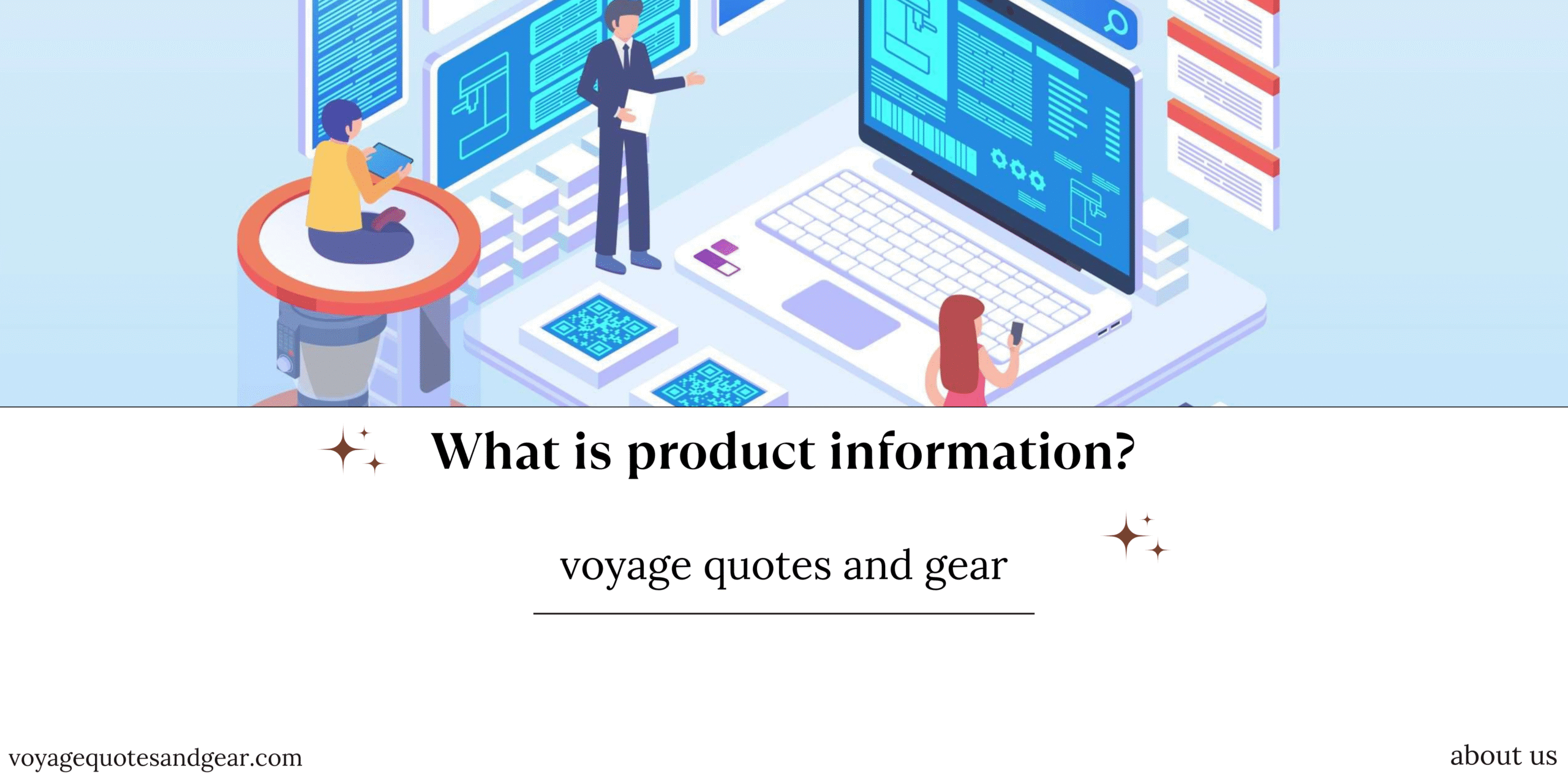
Product information is the structured set of facts that identifies, describes, and differentiates a product across sales, logistics, support, and compliance. It includes names, attributes, identifiers, media, and policies. It exists to remove ambiguity in listings, shelves, and systems. It connects internal records to customer-facing content. It stays consistent across every channel.

What is product meaning in business?
- A product is an offering exchanged for value.
- It can be physical, digital, or service-based.
- It has defined features and intended use.
- It has an identifiable owner or brand.
- It has a lifecycle from launch to retirement.
What are product details and why do they matter?
- Product details are specific facts shown to buyers and staff.
- They include size, material, model, and compatibility.
- They matter because they reduce misinterpretation.
- They support filtering, comparison, and selection.
- They reduce returns caused by mismatch.
What is an information product?
- An information product is packaged knowledge sold or shared.
- The core value is learning, not a physical unit.
- It has a defined scope and format.
- It relies on clarity and accuracy.
- It differs from product information, which describes an item.
What is an example of an information product?

- A structured course with lessons and exercises.
- A step-by-step guide with frameworks and checklists.
- A template pack for repeated business tasks.
- A research report with findings and methodology.
- A workbook that teaches a specific skill.
What are the different types of product information?
- Identity data: name, brand, model, SKU.
- Attribute data: dimensions, color, material, capacity.
- Identifier data: GTIN, UPC, EAN, serial.
- Commercial data: price rules, bundles, availability fields.
- Compliance data: safety notes, warnings, regulated claims.
What is operational and logistical product information?
- Operational data supports selling, servicing, and support.
- Logistical data supports storage, picking, and shipping.
- It includes pack size, carton dimensions, and weight.
- It includes handling notes and storage conditions.
- It reduces fulfillment and inventory errors.
What is manufacturer information in product data?
- Manufacturer information identifies who produces the item.
- It includes manufacturer name, address, and contacts.
- It includes origin and facility references when available.
- It supports traceability and accountability.
- It helps separate look-alike items.
What is ecommerce product information?
- Ecommerce product information powers online listings.
- It includes title, bullets, description, and images.
- It includes variant logic such as size and color.
- It includes search and filter attributes.
- It connects to reviews, Q&A, and policies.
What are informative products?

- Informative products deliver knowledge as the main benefit.
- They include guides, training, and toolkits.
- Their quality depends on precision and usability.
- They require clear outcomes and structure.
- They differ from a physical inventory item.
How do you manage product information for digital commerce?
- Define a master schema for attributes and variants.
- Assign field owners for marketing, legal, and operations.
- Apply validation rules for formats, units, and completeness.
- Maintain version history and approvals for changes.
- Sync data to channels through controlled exports.
How does product information add value to e-commerce and brick-and-mortar retail?
- Accurate data improves findability and comparison.
- Consistent data reduces shelf and listing confusion.
- Complete data reduces support questions.
- Clear specs reduce returns and exchanges.
- Standard identifiers speed scanning and inventory control.
What is product information design?
- Product information design is how data is structured and presented.
- It defines field order, labels, and measurement units.
- It uses consistent naming and controlled vocabulary.
- It supports fast scanning and decision clarity.
- It reduces cognitive load for shoppers.
What is a product information website?
- A product information website publishes product records for lookup.
- It organizes data by category, model, or identifier.
- It supports search and structured browsing.
- It displays canonical fields used across channels.
- It reduces duplicated data entry across teams.
What is a product information PDF?
- A product information PDF is a fixed-format reference document.
- It contains specs, usage, and compliance notes when relevant.
- It supports offline access and controlled sharing.
- It requires version control to prevent outdated facts.
- It supports sales, service, and technical support.
What is a product information review?
- A product information review checks accuracy and completeness.
- It validates claims against specs and rules.
- It checks variants, images, and identifiers for mismatches.
- It flags ambiguous terms and missing fields.
- It reduces customer complaints and returns.
What is a product information database?
- A product information database stores standardized product records.
- It includes identifiers, attributes, media references, and relations.
- It supports search, syndication, and internal operations.
- It separates master data from channel formatting.
- It supports consistent updates across systems.
What is a consumer information database?
- A consumer information database stores person-related records.
- It includes profiles, preferences, and purchase history fields.
- It differs from product databases by entity type.
- It requires privacy controls and access governance.
- It supports workflows and personalization logic.
What is a consumer product information database?
- This database links consumers and products through events.
- It contains registrations, warranties, and service cases.
- It can include reviews and usage feedback.
- It supports recalls and targeted notifications.
- It relies on consistent identifiers like GTIN or serial.
How does a continuously growing product database work?
- It adds new records as new items appear.
- It updates existing records through refresh cycles.
- It merges duplicates using identifier matching rules.
- It stores change history for key fields.
- It uses validation to limit corrupted entries.
What is digital shelf management and why is it important?
- Digital shelf management controls how products appear online.
- It covers titles, images, attributes, and availability consistency.
- It matters because shoppers compare in seconds.
- It affects search filters and category placement.
- It reduces brand inconsistency across retailers.
What are best practices for maintaining high data quality in product content?
- Use one source of truth for product data.
- Standardize units, formats, and attribute naming.
- Enforce required fields for each category.
- Use controlled vocabularies for values like color.
- Audit channels for mismatches and missing data.
How can accurate product information improve customer trust?
- Accuracy reduces surprises after delivery.
- Clarity increases confidence during selection.
- Consistency signals professionalism and control.
- Fewer corrections reduce perceived risk.
- Transparent specs support informed choice.
What are common product information errors to avoid?
- Mixed units such as cm and inches in one listing.
- Conflicting titles across marketplaces.
- Missing variant differences like size or material.
- Incorrect identifiers such as wrong GTIN mapping.
- Overstated claims not supported by specs.
What is a barcode?
- A barcode is a machine-readable symbol for an identifier.
- It represents numbers such as UPC or EAN.
- It enables fast scanning at checkout and warehouses.
- It links the physical item to a database record.
- It differs from the printed digits under it.
Who uses barcode lookup systems?
- Retail teams use it for catalog matching.
- Warehouse teams use it for receiving and picking.
- Marketplace teams use it for listing normalization.
- Support teams use it for product identification.
- Developers use it for structured lookups via API.
How does barcode data support product identification?
- The code provides a standardized identifier.
- The identifier maps to a product record.
- Scans reduce manual entry and typos.
- Matching rules reduce duplicate items.
- Shared identifiers support multi-channel consistency.
What are product description standards in e-commerce markets?
- Standards define structure, tone, and required fields.
- Many markets require measurable claims and clear specs.
- Many markets restrict medical or performance exaggeration.
- Formatting standards support scanning and comparison.
- Category rules define what counts as complete content.
How can you integrate a barcode lookup API with your app or website?
- Send the scanned code to an API endpoint.
- Receive structured fields such as name and category.
- Map fields into your internal schema and taxonomy.
- Add error handling for missing or ambiguous matches.
- Cache results to reduce repeated requests.
How do APIs help companies manage large volumes of product data?
- APIs standardize intake and output formats.
- They automate enrichment across many records.
- They reduce manual copy and paste errors.
- They support synchronization between systems.
- They enable validation at scale.
How does bulk product lookup work for thousands of items?
- Prepare a file of identifiers like GTIN or EAN.
- Submit the list for batch processing.
- Receive a structured output per identifier.
- Normalize formats and remove duplicates.
- Import validated results into your product database.
What is a digital product passport?
- A digital product passport is a structured data profile tied to an item.
- It stores lifecycle facts such as origin and materials when available.
- It connects data to a unique identifier for retrieval.
- It supports traceability across supply chain stages.
- It improves transparency for compliance and sustainability programs.
What is digital shelf analytics and deep-dive reporting?
- Digital shelf analytics measures listing quality and consistency.
- It checks the presence of key attributes and media completeness.
- It compares the same product across channels.
- It tracks content gaps that reduce filter eligibility.
- Deep-dive reporting highlights root causes of mismatches.
What is Product Information Management (PIM)?
- PIM is the discipline of organizing and distributing product data.
- It centralizes attributes, media references, and relationships.
- It supports multi-channel publishing from one master record.
- It enforces workflows for review and approval.
- It improves consistency and speed of updates.
What does industry research say about product information management?
- Research compares vendors across defined criteria sets.
- Criteria often include governance, syndication, and workflow depth.
- Reports categorize maturity levels and use-case fit.
- Findings show that data quality drives downstream outcomes.
- Research emphasizes integration with commerce and analytics stacks.
Why is product information critical for modern businesses?
- Modern commerce depends on accurate digital representation.
- Multiple channels require consistent facts everywhere.
- Regulations increase data and claim accountability.
- Customer expectations demand clarity and speed.
- Operations depend on identifiers and structured fields.
How does structured product information support growth and scalability?
- Structure enables automation across channels and regions.
- Standard attributes support faster onboarding of new items.
- Consistent identifiers reduce duplicates and rework.
- Governance supports reliable updates across teams.
- Clean data supports analytics and better decisions.
Do Follow:”voyagequotesandgear.com“