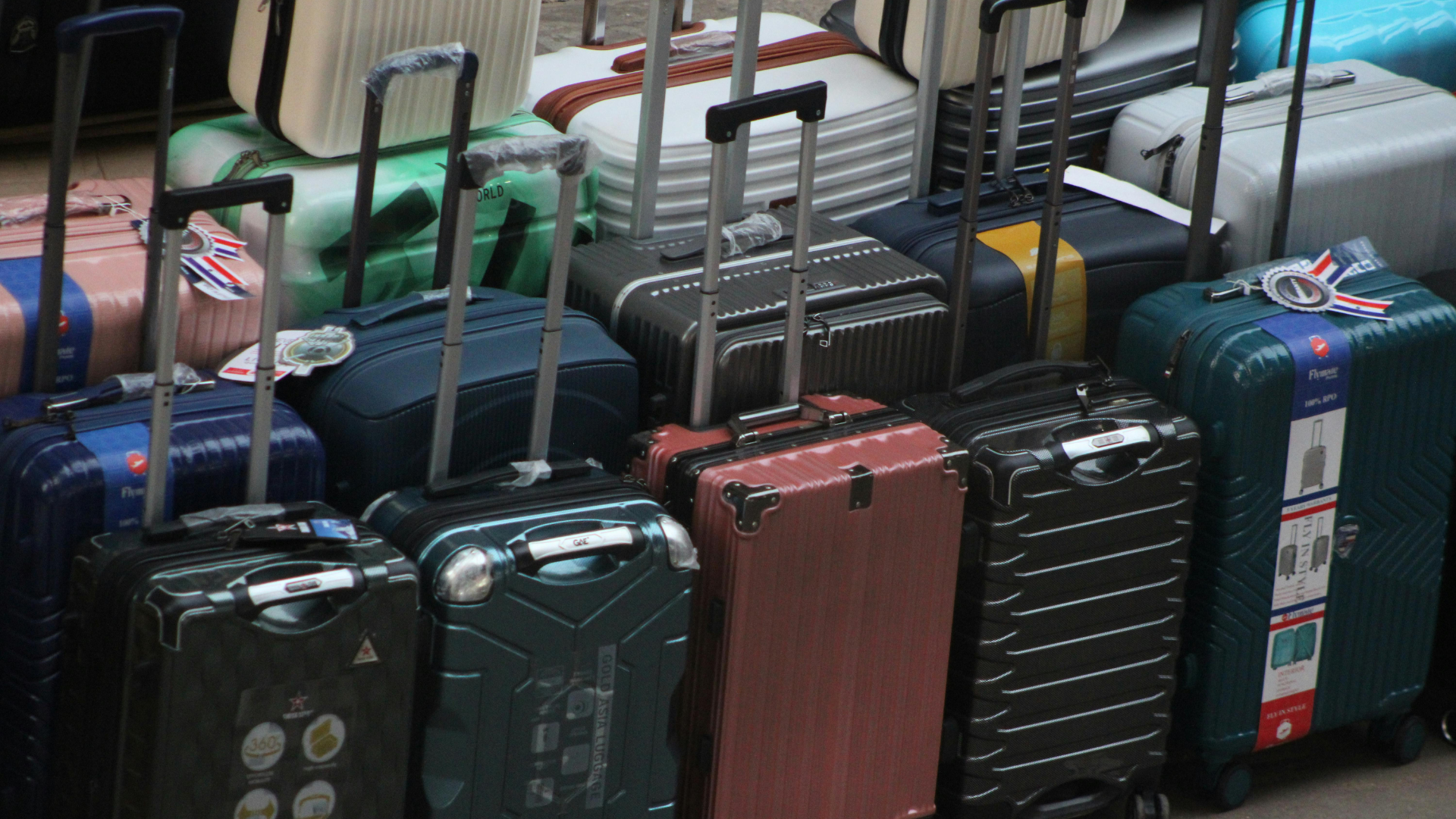
Best Suitcases (2026): Lightweight, Durable Picks That Don’t Crack Fast
Best Suitcases (2026): Lightweight, Durable Picks That Don’t Crack Fast
A suitcase is a portable travel container designed to protect belongings during transit. In 2026, durability depends more on material behavior, structural design, and impact distribution than branding. Airline handling exposes luggage to drops, compression, and temperature shifts. Lightweight construction changes how force travels through the shell. This article explains why some suitcases survive abuse while others crack early.

What makes a suitcase survive baggage handlers with anger issues
- Survival depends on impact absorption, not thickness.
- Force dispersion reduces crack concentration.
- Flexible shells bend instead of snapping.
- Reinforced corners slow fracture spread.
- Internal frames stabilize outer panels.
Which suitcase material actually resists cracks instead of promising to
- Crack resistance relates to elastic recovery.
- Polymer blends outperform brittle plastics.
- Layered materials delay fracture growth.
- Uniform density prevents weak stress zones.
- Heat-formed shells resist micro-splits.
Why do some “durable” suitcases crack on their first international trip
- Cracks start from manufacturing stress points.
- Thin corners amplify drop force.
- Decorative grooves weaken shell flow.
- Cold cargo holds stiff materials.
- Poor frame alignment magnifies pressure.
Which luggage materials handle drops better than your phone
- Drop survival favors energy-absorbing polymers.
- Slight flexibility prevents shatter fractures.
- Textured surfaces reduce slide impact.
- Rounded edges reduce strike angles.
- Multi-layer shells slow force transfer.
What type of suitcase survives airport chaos without drama

- Chaos survival requires structural redundancy.
- Frames share stress across panels.
- Balanced weight reduces torque on drops.
- Integrated rails protect flat surfaces.
- Simple geometry resists deformation.
Is polycarbonate luggage truly tough or just good at marketing
- Polycarbonate resists cracking through elasticity.
- It bends before structural failure.
- Performance drops in extreme cold.
- Thin sheets lose protective advantage.
- Blends outperform pure polycarbonate.
Why do hard-shell suitcases crack at the corners first
- Corners concentrate impact energy.
- Sharp angles shorten stress paths.
- Repeated drops fatigue corner zones.
- Thin caps fracture before panels.
- Poor corner guards accelerate damage.
How does suitcase weight affect long-term durability
- Lower weight increases material stress.
- Ultra-light shells lack reserve strength.
- Heavier frames absorb repeated shock.
- Balanced weight reduces twisting force.
- Mass distribution matters more than total weight.
Which suitcase designs fail fast during airport transfers
- Flat panels lack structural ribs.
- Over-expanded shells deform permanently.
- Decorative ridges interrupt force flow.
- External pockets weaken shell integrity.
- Tall narrow shapes tip easily.
What separates long-lasting luggage from landfill candidates
- Longevity comes from repairable construction.
- Modular parts extend service life.
- Reinforced stress zones slow fatigue.
- Simple shapes resist cumulative damage.
- Replaceable wheels reduce total failure.
Which suitcase construction handles pressure in overhead bins
- Bin pressure favors arched surfaces.
- Frames prevent panel collapse.
- Thin lids bow under stacking force.
- Internal bracing stabilizes shells.
- Symmetrical shapes stack safely.
Why spinner wheels break before the suitcase body

- Wheels face continuous rotational stress.
- Small bearings overheat quickly.
- Plastic housings crack under side load.
- Axle misalignment increases friction.
- Impacts target wheels first.
What causes zippers to fail before the trip ends
- Failure begins with coil separation.
- Overpacking increases lateral tension.
- Cheap sliders deform under load.
- Misaligned tracks jam easily.
- Dirt accelerates wear.
Which suitcase frame types absorb impact instead of cracking
- Hybrid frames flex under shock.
- Internal rails distribute load.
- Aluminum-reinforced edges slow fractures.
- Floating frames reduce shell stress.
- Continuous frames outperform segmented ones.
How do frequent flyers avoid replacing luggage every year
- They choose fatigue-resistant materials.
- They avoid extreme lightweight shells.
- They inspect wheel mounts regularly.
- They limit overexpansion usage.
- They prioritize repairable parts.
What suitcase features matter when flights include rough handling
- Corner protection ranks highest.
- Wheel housings need reinforcement.
- Frame continuity prevents splitting.
- Shell flexibility reduces cracks.
- Handle mounts require bracing.
Why “lightweight” luggage often sacrifices strength
- Weight reduction removes material mass.
- Thin walls fatigue faster.
- Reduced ribs weaken structure.
- Minimal frames shift stress outward.
- Durability drops with repeated impacts.
Which luggage types survive international travel abuse
- Abuse favors mid-weight hard shells.
- Soft shells resist tearing, not crushing.
- Hybrid builds balance flexibility.
- Frame-supported shells last longer.
- Simple shapes endure stacking.
What makes checked luggage crack more than carry-ons
- Checked bags face longer drop heights.
- Conveyor impacts repeat continuously.
- Cold holds stiffen materials.
- Heavy stacking increases compression.
- Manual tossing adds torsion.
Why airline travel exposes suitcase design flaws fast
- Travel applies multi-directional forces.
- Weak joints fail early.
- Poor geometry twists under load.
- Temperature cycles reveal brittleness.
- Repetition magnifies small defects.
Which suitcase shapes handle stacking and crushing better
- Rounded rectangles resist compression.
- Domed panels spread force.
- Flat lids collapse sooner.
- Symmetry prevents tilt stress.
- Lower profiles stack safer.
What hidden weak points shorten a suitcase’s lifespan
- Handle mounts crack silently.
- Wheel housings loosen gradually.
- Zipper anchors tear internally.
- Frame joints fatigue unseen.
- Expansion seams split first.
Why corner protection matters more than glossy shells
- Corners absorb initial impact force.
- Damage starts at edges.
- Gloss adds no strength.
- Reinforced corners stop crack spread.
- Matte textures hide stress marks.
How do temperature changes affect suitcase materials
- Cold reduces material flexibility.
- Heat softens structural rigidity.
- Rapid shifts cause micro-cracks.
- Polymers expand unevenly.
- Repeated cycles weaken shells.
Which luggage materials age badly after repeated trips
- Brittle plastics lose elasticity.
- Thin composites delaminate.
- Low-grade metals warp.
- Soft coatings peel early.
- Unreinforced shells fatigue fast.
Why premium-looking suitcases sometimes fail sooner
- Appearance focuses on surface finish.
- Decorative grooves weaken shells.
- Thin glossy panels crack easily.
- Style often replaces structure.
- Weight reduction hides fragility.
What mistakes cause travelers to buy fragile luggage
- Choosing looks over structure.
- Prioritizing weight alone.
- Ignoring corner protection.
- Overvaluing expansion size.
- Skipping material behavior research.
Which suitcase features quietly improve durability
- Internal frames stabilize shells.
- Reinforced wheel plates reduce stress.
- Rounded edges limit fractures.
- Modular components extend lifespan.
- Balanced geometry improves load handling.
Why cheap luggage breaks loudly and expensively
- Low-cost builds skip stress testing.
- Thin materials fail suddenly.
- Non-replaceable parts force replacement.
- Weak wheels collapse first.
- Repairs cost more than value.
Which suitcase parts break first during international flights
- Wheels fail before shells.
- Handles loosen early.
- Zippers split under load.
- Corner caps crack first.
- Frame joints fatigue gradually.
What suitcase damage airlines rarely warn travelers about
- Internal frame bending.
- Micro-cracks under coatings.
- Wheel plate distortion.
- Handle mount fractures.
- Zipper track separation.
Why cracked luggage always happens far from home
- Damage appears after stress accumulation.
- Cracks propagate during return trips.
- Cold climates trigger failure.
- Final impacts exceed tolerance.
- Detection happens too late.
What are carry travel bags?
- Carry travel bags are compact luggage designed for cabin use.
- They fit standard airline size limits.
- Cabin placement avoids baggage belt impact.
- Structural support matters more than fabric type.
- Controlled size reduces load stress on seams.
What is the best travel man bag?
- Men’s travel bags focus on strap strength and balance.
- Compact shapes reduce movement swing.
- Reinforced seams prevent edge tearing.
- Neutral geometry improves handling stability.
- Internal sections control weight distribution.
What are top rated travel bags?
- Top rated travel bags show low failure frequency.
- Ratings reflect long-term material behavior.
- Structural testing outweighs surface appearance.
- Balanced weight reduces joint strain.
- Design consistency supports durability.
What are the best travel bags for Europe?
- European travel bags suit trains and stairways.
- Smaller wheels manage cobblestone surfaces.
- Lightweight frames reduce manual lifting load.
- Reinforced corners handle repeated contact.
- Compact profiles fit tight storage spaces.
What are cool mens travel bags?
- Cool men’s travel bags use clean, simple construction.
- Minimal external parts reduce snag risk.
- Matte finishes hide surface wear.
- Balanced proportions limit tipping.
- Dense stitching improves lifespan.
What is the best carry-on bag?
- Carry-on bags meet cabin size regulations.
- They avoid cargo hold pressure.
- Rigid structure protects contents.
- Balanced weight reduces user fatigue.
- Internal compression limits movement.
What are travel case reviews?
- Travel case reviews examine structural wear.
- Long-term use exposes micro-cracks.
- Drop resistance carries high weight.
- Wheel durability influences outcomes.
- Repair history affects reliability scores.
What are lightweight travelling bags?
- Lightweight travelling bags use reduced material volume.
- Reinforcement compensates for thinner shells.
- Flexible materials resist cracking better.
- Weight balance controls stress points.
- Efficient design extends usability.
What are the best travel bags for international travel?
- International travel bags face drops and stacking.
- Reinforced frames improve survival rates.
- Moderate weight supports structural strength.
- Protected components limit failure.
- Balanced geometry reduces distortion.
What are travel bags small?
- Small travelling bags suit short trips.
- Reduced size lowers impact energy.
- Structural integrity remains essential.
- Reinforced seams prevent early tearing.
- Compact frames resist deformation.
What are travel bag reviews?
- Travel bag reviews track real-world damage.
- Corner cracking reveals weak molding.
- Wheel loss signals mounting flaws.
- Zipper spread shows overload stress.
- Longevity defines quality.
What are travel carts?
- Travel carts are wheeled carriers for heavy items.
- Wheel diameter affects rolling stability.
- Frame strength limits wobble.
- Load balance reduces axle strain.
- Compact carts simplify storage.
What are versatile travel bags?
- Versatile travel bags support multiple trip styles.
- Modular interiors stabilize contents.
- Neutral shapes suit varied handling.
- Reinforced stress points extend use.
- Balanced weight improves comfort.
What are durable travel bags?
- Durable travel bags resist cracking and tearing.
- Material flexibility reduces fracture risk.
- Corner reinforcement absorbs impact.
- Repairable parts extend service life.
- Design consistency ensures strength.
What is a suitcase for a trip?
- A trip suitcase stores belongings securely.
- Structure protects against impact.
- Size aligns with trip length.
- Material handles transport stress.
- Design affects lifespan.
What are plane carry bags?
- Plane carry bags fit overhead bins.
- Compression resistance prevents collapse.
- Rounded edges reduce pressure points.
- Lightweight balance aids lifting.
- Protected hardware avoids snags.
What are the best travel bags for airplanes?
- Airplane travel bags tolerate cabin stacking.
- Rigid panels resist crushing.
- Compact shapes fit bins easily.
- Reinforced handles support lifting.
- Stable bases prevent tipping.
What are carry-on luggage 22x14x9?
- 22x14x9 carry-on luggage meets common limits.
- Accurate sizing avoids gate checks.
- Structural rigidity protects contents.
- Balanced proportions improve stacking.
- Reinforced corners add strength.
What is a rollaboard suitcase?
- A rollaboard suitcase uses two wheels.
- Tilting motion reduces drag.
- Larger wheels handle cracks better.
- Axle strength determines lifespan.
- Simple mechanics reduce failure.
What are affordable travel bags?
- Affordable travel bags balance cost and structure.
- Material quality varies widely.
- Reinforcement improves value.
- Repairable parts matter.
- Simple designs last longer.
What are top carry-on luggage?
- Top carry-on luggage combines accuracy and durability.
- Frame support improves shape retention.
- Wheel protection reduces damage.
- Balanced weight aids lifting.
- Structural testing defines quality.
What are carry wheels luggage?
- Carry wheels luggage includes wheeled cabin bags.
- Wheel housing strength is critical.
- Axle durability prevents failure.
- Recessed wheels reduce impact.
- Smooth rotation lowers stress.
What is the best overhead suitcase?
- Overhead suitcases resist stacking pressure.
- Rounded profiles distribute load.
- Rigid lids prevent collapse.
- Compact height improves fit.
- Reinforced edges prevent cracks.
What is the best soft shell luggage?
- Soft shell luggage absorbs compression.
- Fabric strength controls tearing.
- Internal frames maintain shape.
- Corner reinforcement remains important.
- Zipper quality defines lifespan.
What are the best expandable carry-on luggage?
- Expandable carry-ons increase internal volume.
- Expansion adds structural stress.
- Reinforced zippers reduce failure.
- Controlled expansion preserves shape.
- Balanced packing prevents bulging.
What are carryon luggage reviews?
- Carry-on luggage reviews focus on wear patterns.
- Wheel wear appears early.
- Shell cracks show pressure points.
- Handle strength matters.
- Long-term use defines trust.
What are top rated luggage sets?
- Luggage sets share material construction.
- Consistency improves reliability.
- Shared weak points repeat failures.
- Balanced sizing aids packing.
- Uniform structure matters.
What are top luggage manufacturers?
- Luggage manufacturers differ in material sourcing.
- Testing depth affects durability.
- Design philosophy matters.
- Quality control reduces defects.
- Engineering outweighs branding.
What is the highest rated carry on luggage?
- Highest rated carry-ons show low failure rates.
- Structural testing supports ratings.
- Wheel survival matters.
- Shell flexibility counts.
- Repair ease improves scores.
What is the best suitcase for business travel?
- Business travel suitcases focus on organization.
- Frequent handling demands strong wheels.
- Structured interiors stabilize load.
- Compact size fits cabins.
- Reinforced handles matter.
What are luxury suitcases?
- Luxury suitcases emphasize finish and styling.
- Durability depends on structure.
- Thin shells risk cracking.
- Reinforcement defines quality.
- Appearance alone misleads.
What are recommended travel luggage?
- Recommended luggage meets durability benchmarks.
- Material resilience matters.
- Design manages stress.
- Repair options extend life.
- Balanced weight improves use.
What are aristocrat bags?
- Aristocrat bags describe structured luggage categories.
- Durability depends on material quality.
- Frame strength matters.
- Corner protection reduces cracks.
- Design consistency defines lifespan.
What are travel suitcases?
- Travel suitcases protect belongings in transit.
- They face impact and pressure.
- Material choice controls survival.
- Design spreads stress.
- Maintenance extends life.
What is the best suitcase brand?
- The best suitcase brand shows low failure rates.
- Logos do not define strength.
- Material resilience matters.
- Structural testing proves quality.
- Repairability extends lifespan.