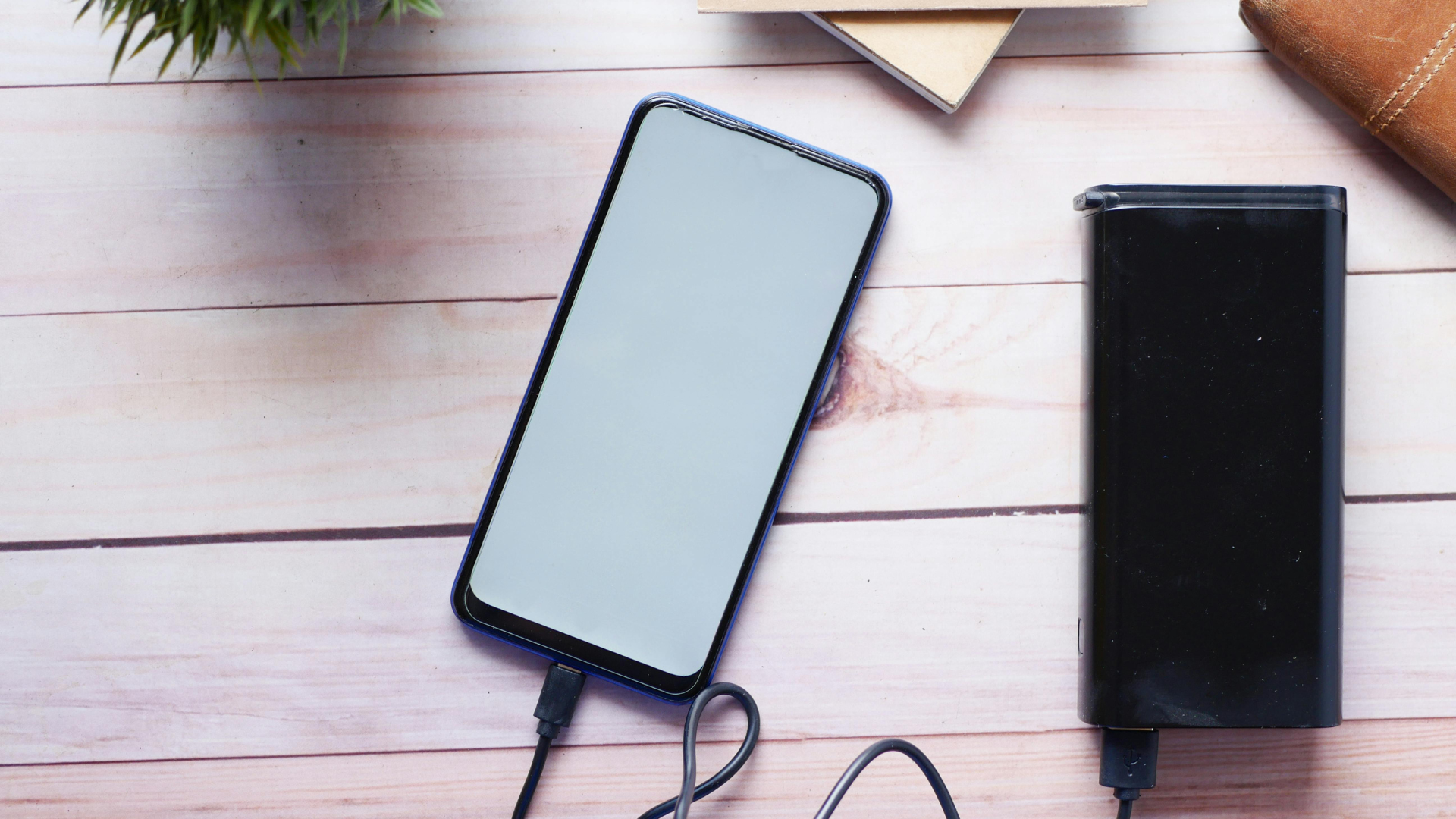
Best Power Banks for Travel: Safe Capacity, Fast Charging, Airline Tips
Best Power Banks for Travel: Safe Capacity, Fast Charging, Airline Tips

A power bank is a portable battery that stores energy and transfers it to devices through USB charging. Travel safety rules focus on lithium battery risk, so airlines judge power banks by watt-hours (Wh), not just mAh. A travel-ready unit combines safe capacity, stable output, and clear labeling that security staff can understand quickly. Fast charging depends on matching charging standards between the power bank, cable, and device. This guide explains airline limits, real capacity behavior, and features that matter during flights and long transit days.
Which power bank capacity stays airline-safe without triggering gate drama
- Airline limits often accept power banks under 100Wh with fewer questions.
- mAh alone does not define compliance without the voltage value.
- Many common travel sizes sit around 10,000–20,000mAh at 3.7V cell rating.
- Clear Wh labeling reduces delays at checkpoints.
- Moderate capacity reduces thermal stress during heavy charging.
What makes a power bank flight-approved instead of confiscated
- A flight-approved power bank shows clear labeling for Wh or V + mAh.
- Lithium-ion and lithium-polymer packs fall under airline battery rules.
- Exposed damage, swelling, or cracks raise safety concerns.
- Missing specs make screening slower and more suspicious.
- Protected ports and stable casing reduce short-circuit risk in bags.
Can a 20000mAh power bank pass airport security without questions

- A 20000mAh label becomes meaningful when paired with voltage.
- Many 20000mAh models remain under 100Wh at typical cell voltage.
- Security checks focus on spec visibility, not marketing claims.
- A readable rating panel speeds inspection.
- A clean, undamaged shell reduces extra screening.
Why 30000mAh power banks attract extra attention at checkpoints
- 30000mAh often implies higher Wh, depending on voltage and design.
- Larger packs look closer to limit thresholds, so staff verify details.
- Some models omit clear Wh values on the body.
- Oversized batteries raise concern about heat and energy density.
- Bigger packs also increase bag clutter, slowing manual inspection.
What airline rules actually apply to power banks in carry-on bags
- Airlines treat power banks as spare lithium batteries.
- Spare lithium batteries belong in carry-on, not checked bags.
- Wh limits determine permission and restrictions.
- Airline staff may require terminal protection against short circuits.
- Some routes add stricter enforcement during peak travel seasons.
Why power banks never belong in checked luggage
- Checked luggage faces temperature swings and pressure changes in the hold.
- A damaged lithium pack can enter thermal runaway.
- Cabin crews can respond faster to incidents in the cabin than in cargo.
- Baggage handling increases drop risk for a battery pack.
- Airline rules place spares in carry-on to reduce hidden hazards.
What happens when a power bank exceeds airline watt-hour limits
- Security may deny the item at screening.
- Gate staff may require removal before boarding.
- An over-limit pack can be surrendered or left behind.
- Missing paperwork increases confiscation risk for high Wh packs.
- Travel plans get disrupted when the battery becomes a checkpoint issue.
How rated capacity differs from the number printed on the box
- The printed mAh often refers to internal cells at 3.7V.
- Device charging happens near 5V or higher USB voltages.
- Voltage conversion reduces usable capacity at the output.
- Heat and efficiency losses reduce delivered energy.
- The best comparison metric for travel is Wh, not marketing mAh.
Why labeled capacity confuses travelers at security checks
- Travelers quote mAh, while staff check Wh.
- Many labels hide voltage in small print.
- Some products list multiple outputs without a clear Wh statement.
- Confusing labels slow inspection and raise suspicion.
- A simple label panel reduces screening time.
Which power bank sizes fit international flight rules smoothly
- Compact packs that clearly show Wh pass faster.
- Mid-size units often balance travel safety and daily charging.
- Extremely large batteries invite deeper inspection.
- Slim designs pack easier in carry-on pockets.
- Clean labeling plus modest Wh reduces friction across airports.
Why travel power banks fail fast charging when you need it most
- Fast charging requires matching protocols between devices.
- Some power banks deliver high power only on specific ports.
- Low-quality cables limit current and trigger slow mode.
- Heat causes output throttling for safety.
- Device battery management may cap charging speed at high temperature.
What charging standards matter during long travel days
- USB Power Delivery (USB-PD) supports higher power for many phones and tablets.
- Quick Charge exists on many Android devices and chargers.
- PPS improves efficiency by adjusting voltage steps smoothly.
- Output in watts (W) matters more than port count.
- Certified cables protect speed and stability.
Why some power banks charge phones fast but recharge slowly
- Input power can be lower than output capability.
- Some designs prioritize device output over self-recharge rate.
- Small input circuits limit heat and cost.
- A weak wall adapter reduces recharge speed.
- Poor thermal design forces slower charging to control temperature.
What makes a power bank reliable across different countries
- Charging relies on adapters that match local wall sockets.
- The power bank itself accepts USB input, which stays universal.
- Stable voltage regulation protects devices from unstable outputs.
- Good thermal control prevents shutdown during long charging.
- Clear indicator accuracy prevents surprise empty packs.
Why lightweight power banks matter more than huge capacity
- Carry-on weight adds up across transit days.
- Heavy packs increase bag strain and drop risk.
- Moderate capacity often covers typical phone cycles efficiently.
- Smaller batteries cool faster and maintain performance.
- Light designs fit pockets and reduce travel friction.
Which power banks suit backpacking without adding dead weight
- A backpacking unit balances Wh per gram efficiency.
- Slim shapes reduce space loss in a pack.
- One strong port beats multiple weak ports for real output.
- Durable casing helps when gear shifts in transit.
- Accurate remaining-charge indicators support planning.
What features help power banks survive rough travel handling
- Reinforced port surrounds reduce cracking around connectors.
- Textured casing reduces slip drops.
- Internal cell padding reduces impact stress.
- Protected buttons resist accidental presses.
- A stable shell prevents flex that damages cells.
Why rugged power banks feel safer but travel lighter ones win
- Rugged shells add weight through thick casing and bumpers.
- Extra weight reduces portability during long days.
- Many travel impacts happen at corners and ports, not flat faces.
- A lighter unit with smart reinforcement can last longer in practice.
- Good thermal control matters more than thick rubber.
How pass-through charging helps during hotel stopovers
- Pass-through charging powers devices while the bank recharges.
- This reduces outlet competition when sockets are limited.
- It simplifies overnight charging routines.
- Heat management becomes important during dual charging.
- A stable charger reduces overload behavior.
Why waterproof power banks matter only in specific trips
- Most travel charging happens indoors or in vehicles.
- Waterproofing adds seals that can affect heat dissipation.
- Water protection matters for boats, rain-heavy treks, and beach exposure.
- Dust protection often helps more than full waterproof claims.
- A dry storage pouch can solve many scenarios.
What power bank mistakes frequent flyers keep repeating
- Packing the power bank in checked luggage.
- Carrying units with missing Wh labeling.
- Using worn cables that cause slow charging.
- Overheating the pack under pillows while charging.
- Carrying damaged packs with dents or swelling.
Why airport security focuses on watt-hours, not mAh
- Wh represents total energy, which correlates with hazard potential.
- mAh ignores voltage and can mislead comparisons.
- Different chemistries and designs share mAh but differ in energy.
- Wh allows consistent screening across devices.
- Wh labeling speeds decision-making.
How airline regulations differ across regions and routes
- Some countries enforce strict checks for battery labeling.
- Certain carriers apply tighter limits for connecting flights.
- Rules can differ between domestic and international legs.
- Enforcement intensity varies by airport and staffing.
- Consistent labeling reduces variability impacts.
Why fast charging ports still fail with the wrong cable
- Many cables carry power but lack high-current support.
- Some cables lack proper e-marker support for high wattage.
- Cable resistance reduces voltage under load.
- Loose connectors cause intermittent charging.
- Certified cables maintain stable fast-charging negotiation.
What hidden details shorten a power bank’s travel lifespan
- Repeated heat cycles degrade lithium chemistry.
- High discharge rates increase internal resistance over time.
- Drops can damage internal welds and cell spacing.
- Cheap port solder joints crack with movement.
- Constant 0% to 100% cycling accelerates wear.
Why cheap power banks age badly after a few trips
- Low-grade cells lose capacity faster.
- Inaccurate controllers misread remaining charge.
- Weak thermal design triggers throttling and shutdown.
- Thin casings increase impact damage risk.
- Poor port alignment causes connector wear.
How travelers choose power banks based on trip style
- City travel favors slim packs for pockets and day bags.
- Business travel favors predictable fast charging and stable output.
- Outdoor trips favor durable shells and reliable indicators.
- Long-haul trips favor balanced capacity under Wh limits.
- Multi-device travel favors higher wattage output, not just mAh.
Why safety certifications matter more than brand hype
- Certifications indicate tested protection circuits.
- Overcurrent and overtemperature controls reduce risk.
- Short-circuit protection prevents bag incidents.
- Stable charging profiles protect phone batteries.
- Clear compliance marks reduce security friction.
What charging habits extend power bank life on the road
- Keep the pack away from heat while charging.
- Avoid deep discharge to 0% repeatedly.
- Use quality cables to reduce heat and resistance.
- Recharge in moderate temperature environments.
- Store partially charged during long idle periods.
Which power bank features travelers overlook until it’s too late
- Wh labeling printed on the body.
- Real output in watts (W) per port.
- Input speed for overnight recharge.
- Port placement that prevents strain in bags.
- Thermal behavior under fast charging.
Why power banks get flagged at security without warning
- Missing or unreadable Wh labeling triggers scrutiny.
- Damaged casings raise safety concerns.
- Oversized batteries require verification.
- Loose batteries without terminal protection look risky.
- Mixed electronics in one pocket slow inspection.
What happens if a power bank slips into checked luggage
- Screening may pull the bag for inspection.
- Airline staff can remove the item from the suitcase.
- A delay occurs when the bag gets held back.
- Risk rises due to hidden battery incidents in cargo.
- The traveler may lose access to the power bank mid-trip.
Why airport rules treat batteries like suspicious liquids
- Lithium batteries store high energy in small volumes.
- Damage can cause heat release and smoke.
- Short circuits can start in cluttered bags.
- Screening focuses on risk, not convenience.
- Standard rules reduce incident probability across airports.
Questions (Clear Definitions)
What is the best power bank for travel 2025 ?
- “Best” refers to safe Wh, stable output, and fast charging compatibility.
- Travel best includes readable battery specs for screening.
- Reliable units maintain output under sustained load.
- Balanced capacity reduces checkpoint friction.
- Durable ports prevent failure during transit.
What are excellent power banks ?
- An excellent power bank has stable voltage regulation.
- It shows clear Wh or V + mAh labeling.
- It supports modern charging standards like USB-PD.
- It controls heat during high output.
- It uses durable ports and internal protection circuits.
What are rugged power banks ?
- A rugged power bank uses reinforced casing for impact resistance.
- Port covers reduce dust and moisture entry.
- Internal padding lowers shock transfer to cells.
- Rugged models often weigh more due to thicker shells.
- Rugged value rises in outdoor and worksite trips.
What is the best power bank for backpacking ?
- Backpacking best means high Wh per weight efficiency.
- Compact size saves pack space.
- One high-output port can outperform multiple low ports.
- A reliable indicator supports planning away from outlets.
- Durable casing helps against pack compression.
What are yada power bank pros?
- Yada power bank pro describes a specific named product line or model label.
- The key checks are Wh, output watts, and safety markings.
- Clear labeling matters for airport screening.
- Port standards determine real fast charging.
- Physical build determines travel durability.
What is the best power bank for backcountry hunting ?
- Backcountry trips favor reliability and stable output in cold air.
- Moderate capacity reduces weight burden.
- Durable shells resist impact in packs.
- Simple controls reduce failure points.
- Protected ports reduce dust issues.
What are power bank deals?
- Deals power bank refers to discounted portable chargers sold at lower price.
- Discount does not guarantee safe cells or stable output.
- Check for clear Wh labeling and safety marks.
- Port quality and heat control matter for longevity.
- Avoid units with missing specs.
What is a camping power bank?
- A camping power bank supports long off-grid periods.
- Capacity planning uses Wh, not just mAh.
- Output stability matters for lights, phones, and radios.
- Durable casing helps with rough surfaces.
- Charging method planning includes car, solar, or wall recharge.
What are waterproof battery packs?
- A waterproof battery pack seals ports and casing against water entry.
- Waterproof ratings vary by depth and duration.
- Seals can trap heat during charging.
- Waterproofing matters most near boats, rain, and beach trips.
- Dry storage often solves many travel cases.
What is the highest capacity of a power bank?
- “Highest capacity” refers to maximum stored energy measured in Wh.
- Very high capacity increases screening attention.
- Airline acceptance depends on Wh limits and labeling clarity.
- High capacity increases weight and heat management demands.
- Capacity alone does not guarantee fast charging.
What are portable power banks for backpacking ?
- A backpacking power bank prioritizes low weight and compact shape.
- High output supports faster top-ups during short stops.
- Durable ports matter in dusty environments.
- Reliable indicators prevent running out unexpectedly.
- Capacity planning uses expected device usage per day.
What are portable power banks for backpacking ?
- Backpacking power banks work best when output matches device charging standards.
- A slim unit fits side pockets and reduces packing stress.
- Stable thermal control prevents shutdown in heat.
- Moderate capacity improves carry comfort.
- Clear labeling helps during flights to trail destinations.
which power banks are best
- Best power banks combine safe Wh, reliable output, and fast charging support.
- Best units show clear specs on the device body.
- Best travel choices avoid extreme size that triggers screening delays.
- Best designs control heat under sustained load.
- Best builds protect ports from bending and wear.
What are outdoor battery packs?
- An outdoor battery pack targets durability in rough conditions.
- Dust resistance helps more often than deep waterproofing.
- Reliable indicators support planning away from power outlets.
- Impact protection reduces internal damage from drops.
- Stable output protects sensitive devices.
What are durable power banks ?
- A durable power bank resists drops, pressure, and port wear.
- Reinforced port mounts reduce cracking.
- Internal padding reduces cell stress.
- A firm shell prevents flex damage.
- Heat control supports longer lifespan.
What are tough power banks?
- A tough power bank emphasizes shock resistance and strong casing.
- Toughness also includes port durability and stable electronics.
- Thick shells reduce impact damage risk.
- Extra weight often accompanies tough designs.
- Toughness matters most in outdoor and work travel.
What are innovative external batteries ?
- An innovative external battery adds features that improve real use.
- Examples include PPS, accurate meters, and pass-through support.
- Innovation also includes better thermal management.
- Port layouts that reduce cable strain improve travel handling.
- Clear labeling improves airport clarity.
What are portable charger rugged?
- A rugged portable charger uses reinforced housing and protected ports.
- It resists drops and pressure in packs.
- Rugged designs often use rubberized edges.
- Rugged benefits appear in outdoor and transit-heavy trips.
- Output stability remains more important than appearance.
What is the best powerbank for backpacking?
- Backpacking best means low weight and stable fast charging.
- Moderate capacity reduces fatigue during long walks.
- Durable ports prevent failure under movement.
- Clear indicators support daily planning.
- Reliable thermal behavior prevents shutdown.
What is the cheapest and best power bank ?
- “Cheap and best” means strong value with safe specifications.
- Clear Wh labeling reduces travel screening issues.
- Stable output prevents random disconnects.
- Quality protection circuits reduce risk.
- Durable ports improve long-term use.
What are heavy duty portable chargers?
- A heavy duty portable charger targets high output and rugged build.
- It often supports higher wattage for multiple devices.
- Heavy duty units weigh more due to casing and cells.
- Heat control becomes critical at high output.
- Clear specs help airport screening.
What is an outdoor battery bank ?
- An outdoor battery bank supports off-grid charging needs.
- Dust resistance protects ports in trails and camps.
- Impact resistance helps during drops.
- Stable output protects phones and GPS devices.
- Efficient capacity planning uses Wh.
What are ruggedized power banks?
- Ruggedized power banks add protective casing and reinforced structure.
- They target impact resistance and port protection.
- Ruggedization increases weight and bulk.
- Travel comfort favors balanced ruggedness.
- Real reliability depends on internal electronics quality.
What are premium smartphone battery packs and power banks?
- Premium battery packs emphasize stable output and safer components.
- They often support USB-PD and modern protocols.
- Premium units usually show clear labeling and better indicators.
- Thermal management tends to be stronger.
- Port durability improves long-term travel use.
what is the best portable cell phone charger
- The best portable charger matches phone charging standards like USB-PD.
- It shows clear Wh or voltage specifications.
- It maintains stable output without overheating.
- It uses durable ports and reliable cables.
- It fits carry-on travel without size complications.
What are big portable batteries ?
- A big portable battery has high total energy storage.
- Higher energy increases weight and screening attention.
- Airline permission depends on Wh limits and labeling.
- Big packs require stronger thermal control.
- Big capacity helps when outlets are scarce.
What is the best power bank for international travel?
- International travel best includes clear Wh labeling for airports.
- Compatible fast charging standards reduce downtime.
- Moderate capacity reduces screening friction.
- Durable casing survives transit handling.
- Reliable indicators support long travel days.
What are powerbank for flights ?
- A flight power bank fits airline battery rules and labeling.
- It belongs in carry-on baggage.
- Wh determines compliance more than mAh.
- Port protection reduces short-circuit risk.
- A compact form improves checkpoint flow.
What are power banks for international travel ?
- International travel power banks prioritize safe Wh and clear labels.
- Reliable fast charging matters during long layovers.
- Durable ports resist repeated cable use.
- Stable thermal control prevents shutdown.
- Balanced size fits carry-on limits.
What is the best power bank for travel 2025 ?
- “Best” refers to safe compliance, reliable output, and fast charging support.
- Clear labeling reduces airport delays.
- Moderate capacity reduces bulk and heat stress.
- Stable standards like USB-PD improve compatibility.
- Durable build prevents travel damage.
What are credit card power banks?
- A credit card power bank is a slim, wallet-sized battery pack.
- Thin design limits total Wh compared to larger packs.
- Output power often stays lower due to small cell size.
- It suits emergency top-ups, not heavy daily charging.
- Port durability matters because thin bodies stress connectors.
What can I bring to the power bank on the plane?
- Power banks qualify as spare lithium batteries under airline rules.
- Spares travel in carry-on, not checked baggage.
- Compliance depends on Wh limits and labeling clarity.
- Damaged or unlabeled packs raise screening issues.
- Terminal protection reduces short-circuit risk.
What are power banks allowed on flights?
- Allowed power banks meet airline Wh restrictions.
- They travel in carry-on baggage.
- Clear labeling speeds security decisions.
- Damaged packs face rejection for safety reasons.
- Protected ports reduce risk during transit.
After these rules, a travel power bank becomes easy to choose: check Wh, confirm fast-charging standards, keep it in carry-on, and protect the ports and cables from damage.