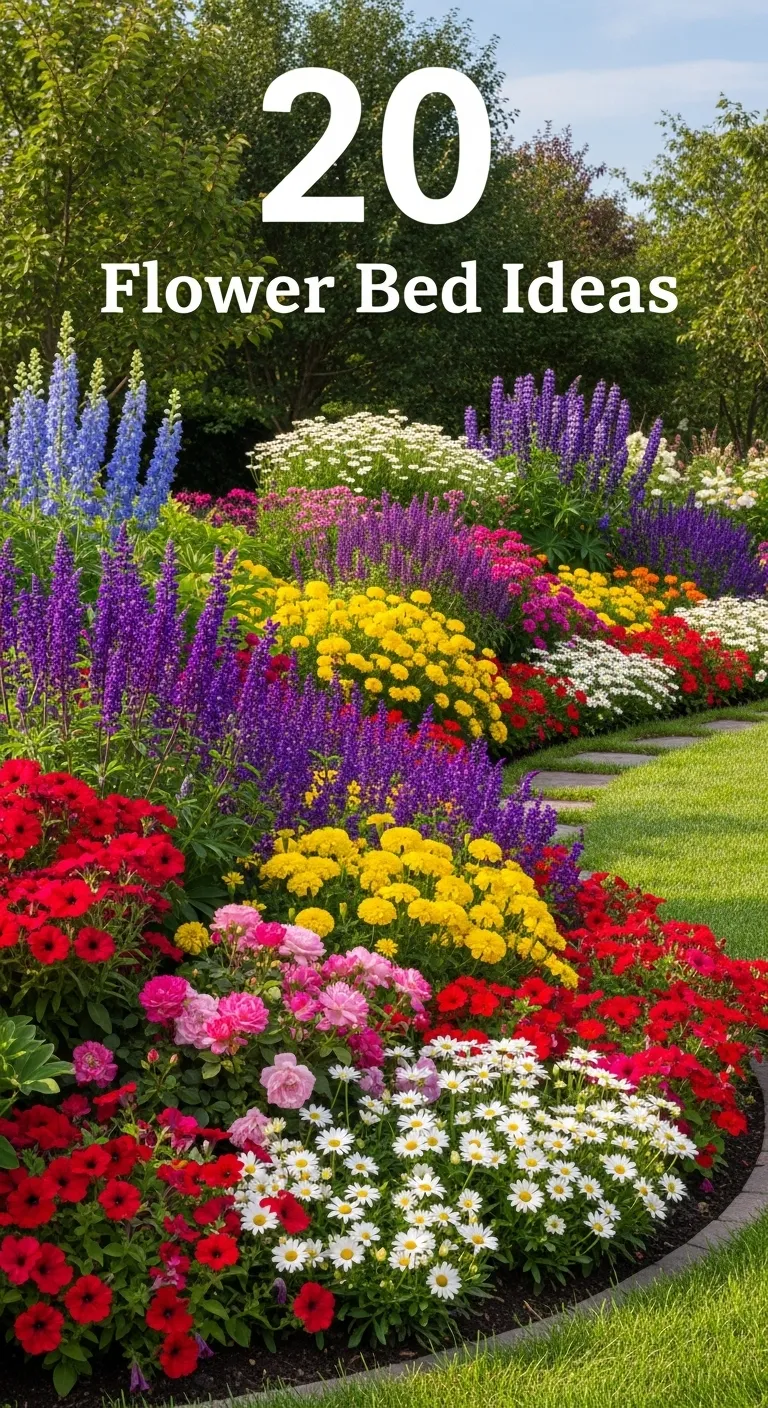
20 Flower Bed Ideas to Beautify Your Garden
Flower beds are one of the easiest ways to add color, texture, and personality to your garden. With thoughtful design, they can transform any outdoor space into a vibrant and inviting retreat. From classic symmetrical layouts to creative, modern designs, flower bed ideas offer endless inspiration for both beginners and seasoned gardeners. In this guide, we explore 20 flower bed ideas that combine aesthetics and practicality, helping you design a garden that’s visually stunning, easy to maintain, and perfect for relaxing or entertaining.
1. Classic Rectangular Flower Bed
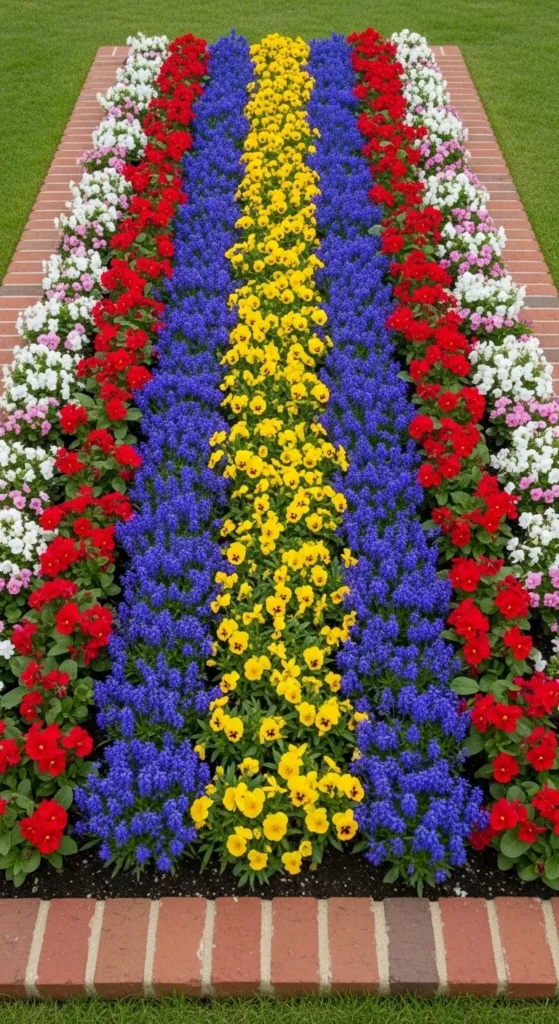
Rectangular flower beds create a sense of order and balance. Their straight lines and clearly defined edges allow gardeners to plan symmetrical planting schemes, combining color, height, and texture. This classic approach suits formal garden designs or front yard borders.
Functionally, rectangular beds simplify irrigation and weeding. The structured layout helps with seasonal planting and ensures flowers receive uniform sunlight. It’s an ideal choice for gardeners who prefer a neat, organized, and visually appealing garden space.
2. Circular Flower Bed
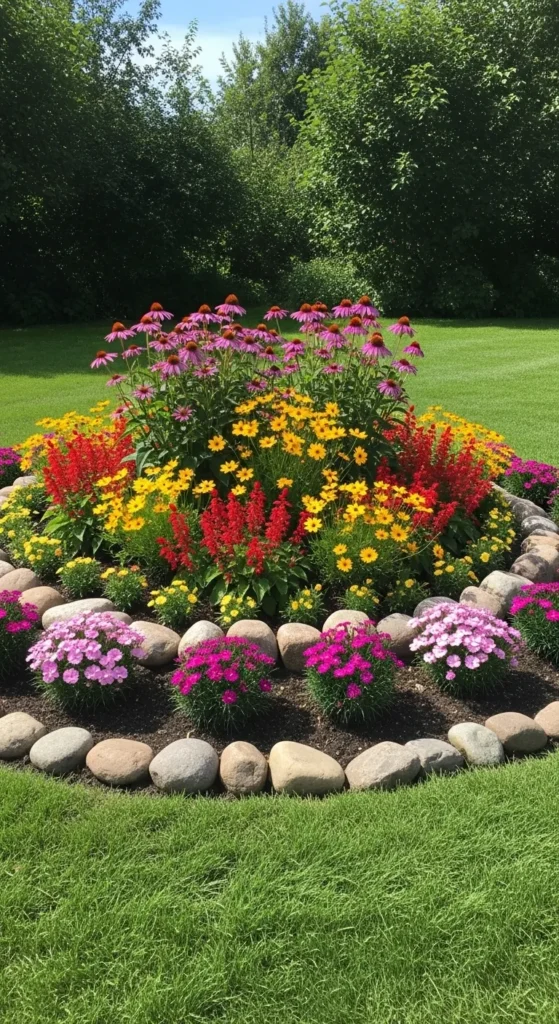
Circular flower beds naturally draw the eye, making them ideal for centerpieces in lawns or courtyards. They provide a balanced shape for planting layers of flowers with varying heights and colors, creating a dynamic visual effect.
The circular shape encourages creative planting patterns and easy maintenance from all sides. It also allows for symmetry in planting, making the garden feel both cozy and expansive. This design is perfect for homeowners looking to combine aesthetics with functionality.
3. Raised Wooden Flower Bed
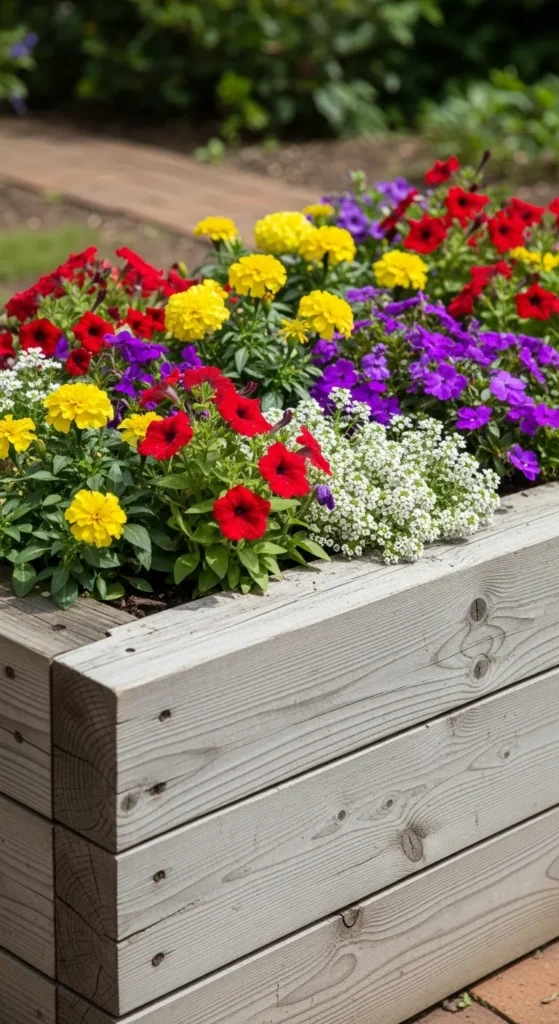
Raised wooden beds are both functional and stylish. They help with soil drainage and make planting more accessible, reducing strain on the gardener’s back. Wooden planks give a rustic charm while blending naturally with greenery.
Functionally, these beds improve soil quality as you can customize the fill and control nutrients. They also prevent soil compaction and protect plants from pests. Overall, raised wooden beds are versatile and visually appealing for both small and large gardens.
4. Curved Flower Bed Design
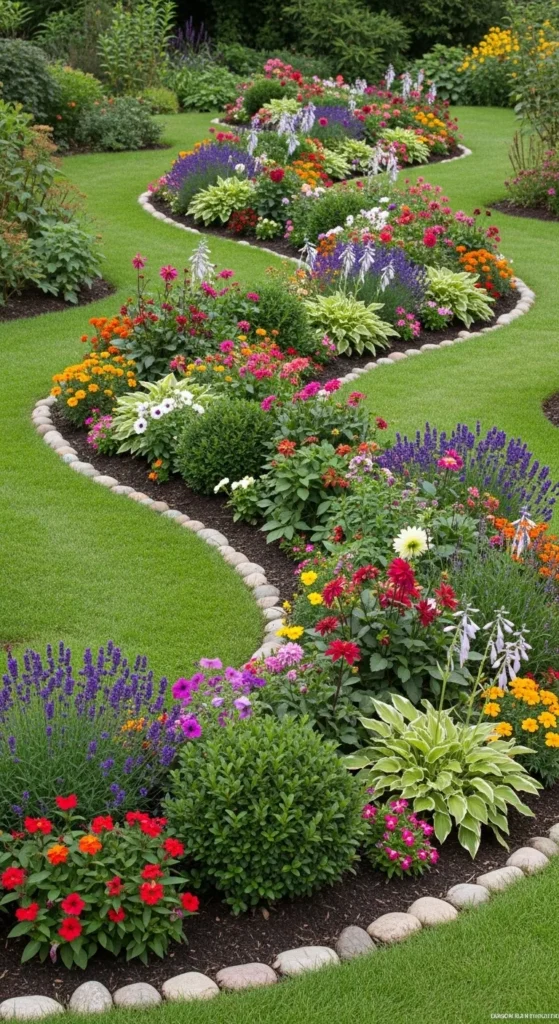
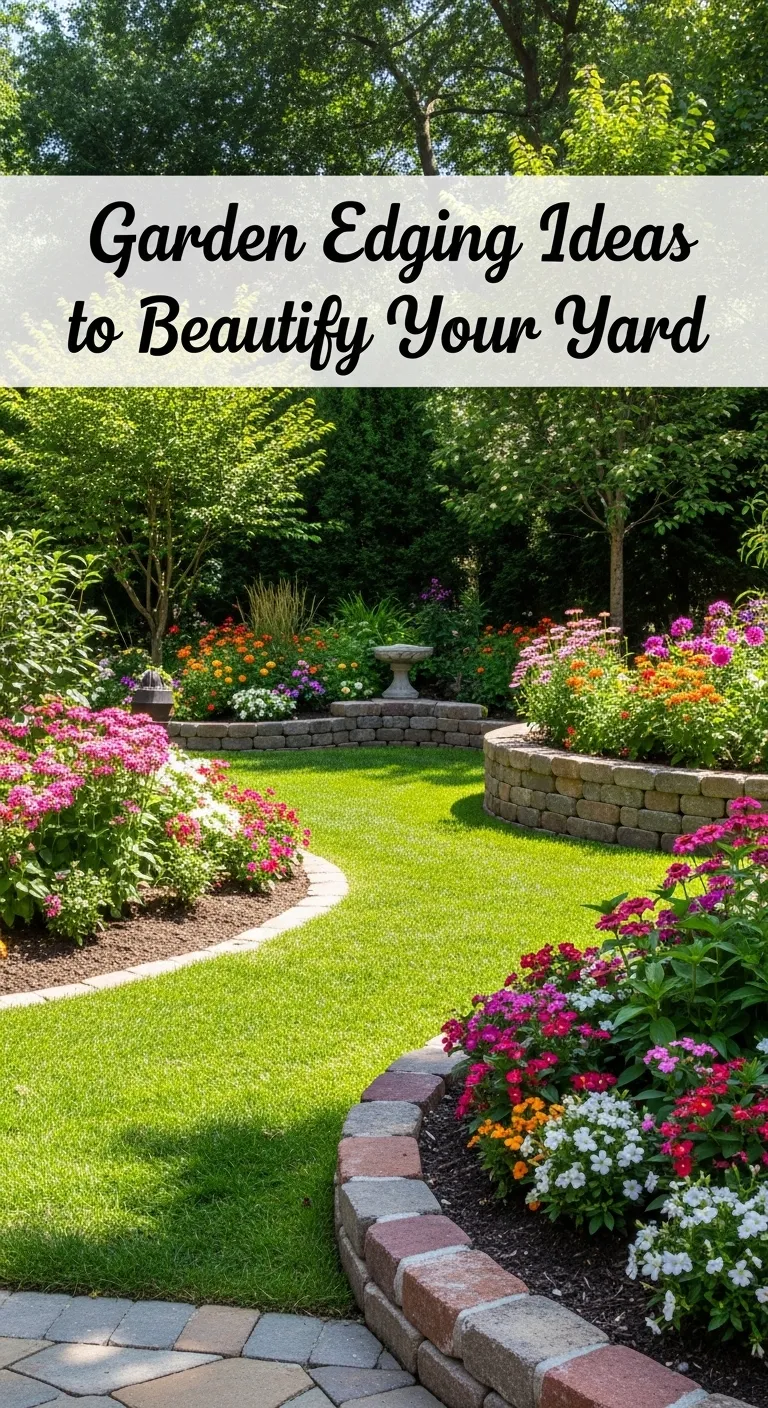
Curved flower beds break away from rigid straight lines, adding a sense of movement and flow to the garden. They are ideal for creating pathways or leading the eye toward focal points, such as fountains or seating areas.
The curves allow for layered planting with tall flowers at the back and shorter ones in front, enhancing depth and dimension. This design creates a more relaxed, informal feel while maximizing garden space and visual appeal.
5. Corner Flower Bed
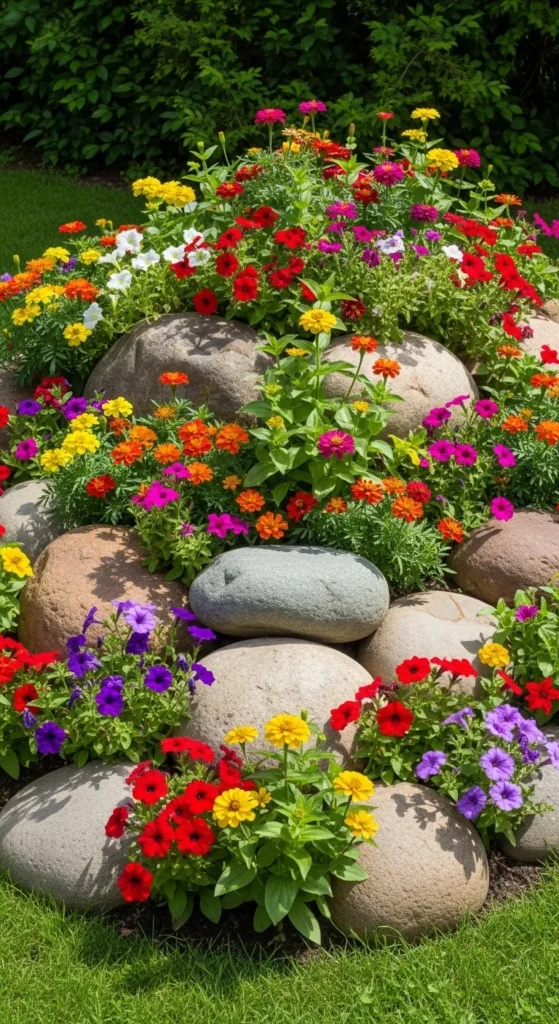
Corner flower beds make use of often-overlooked spaces, turning them into vibrant garden highlights. Angled placement helps integrate the bed into the surrounding landscape, creating a seamless transition between lawn, walkways, or fences.
Strategically planting tall flowers at the back and cascading plants in front adds depth. Corner flower beds are easy to maintain and allow for experimentation with plant combinations, making them ideal for gardeners wanting to maximize both space and aesthetics.
6. Tiered Flower Bed
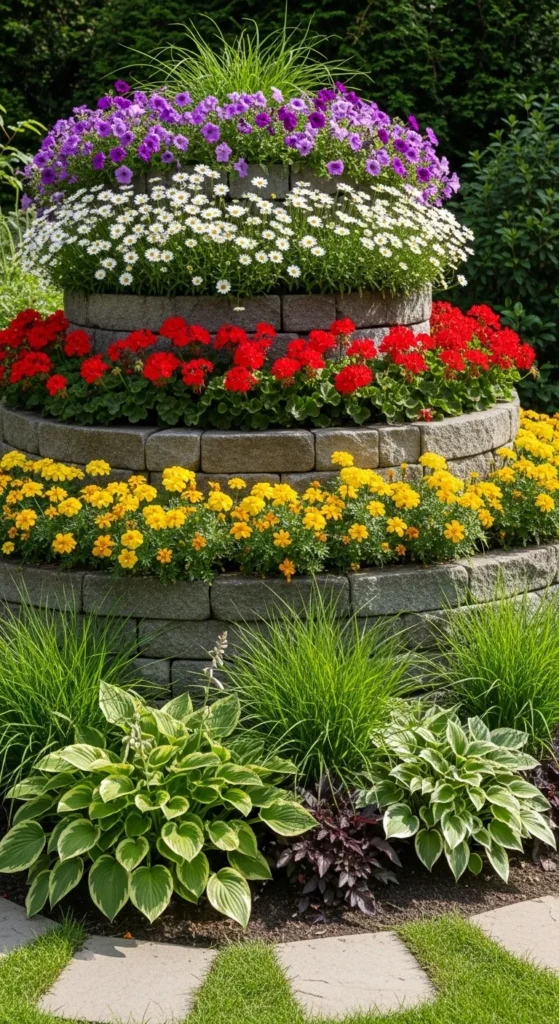
Tiered flower beds bring height and depth to the garden, making them perfect for smaller spaces that need visual impact. Each level can host plants of varying heights, textures, and colors, creating a layered, eye-catching display.
Functionally, tiered beds improve soil drainage and airflow between plants. They also allow for easier maintenance and more creative planting layouts, maximizing space and providing a visually rich garden that feels dynamic and engaging.
7. Border Flower Bed
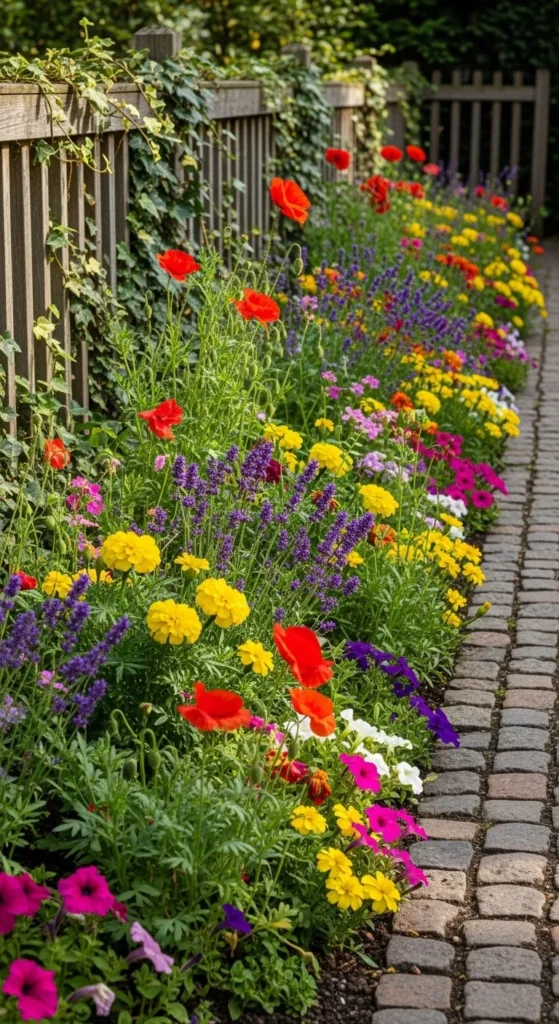
Border flower beds are an excellent way to frame a garden or walkway, providing structure while showcasing colorful plants. They can be customized with low-growing flowers for subtlety or taller varieties for a bold statement.
Borders also help guide foot traffic and protect delicate plants. With careful planting and maintenance, a border bed can continuously brighten your garden edges, offering both functional and decorative benefits year-round.
8. Mixed Perennial and Annual Flower Bed
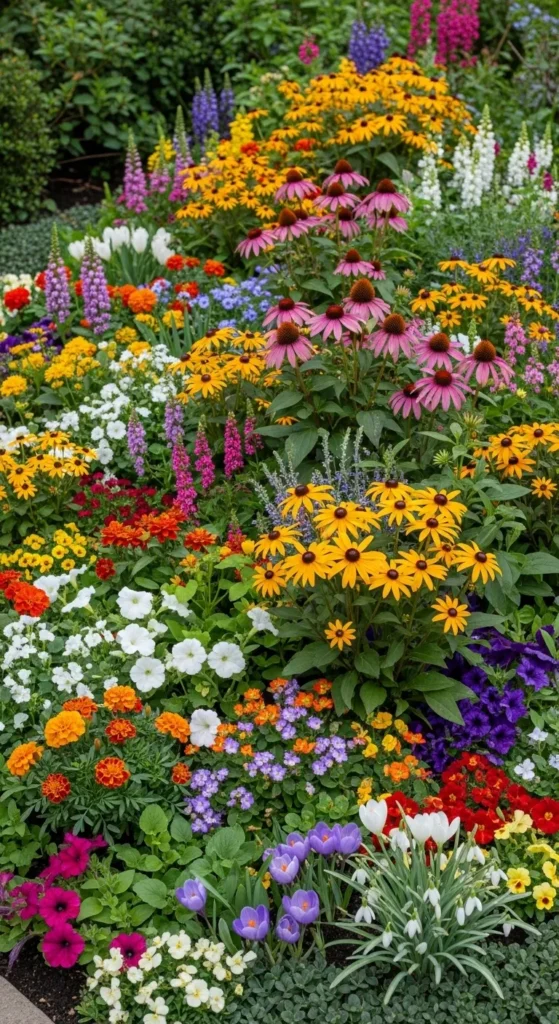
Combining perennials and annuals ensures that your flower bed remains vibrant year-round. Perennials provide structure and recurring blooms, while annuals introduce seasonal color and variety, allowing gardeners to experiment with new trends or color schemes.
Functionally, this combination encourages biodiversity and creates a more resilient garden ecosystem. With thoughtful planning, it minimizes gaps in flowering periods while maintaining a visually stimulating, constantly evolving garden space.
9. Circular Raised Flower Bed
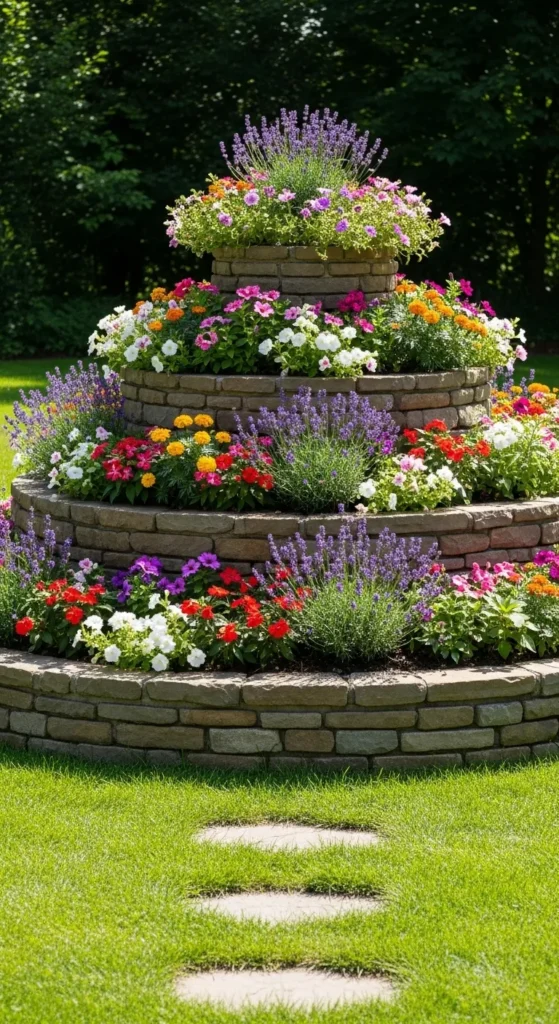
Circular raised beds combine the benefits of elevation and symmetry. The height improves drainage and plant health, while the round design creates a visually pleasing focal point. It’s ideal for lawns or patios where the bed can be admired from all directions.
Functionally, the raised platform eases planting, watering, and maintenance. By layering flowers by height, gardeners achieve a dynamic, colorful display that draws attention and enhances the overall garden aesthetic.
10. Cottage-Style Flower Bed
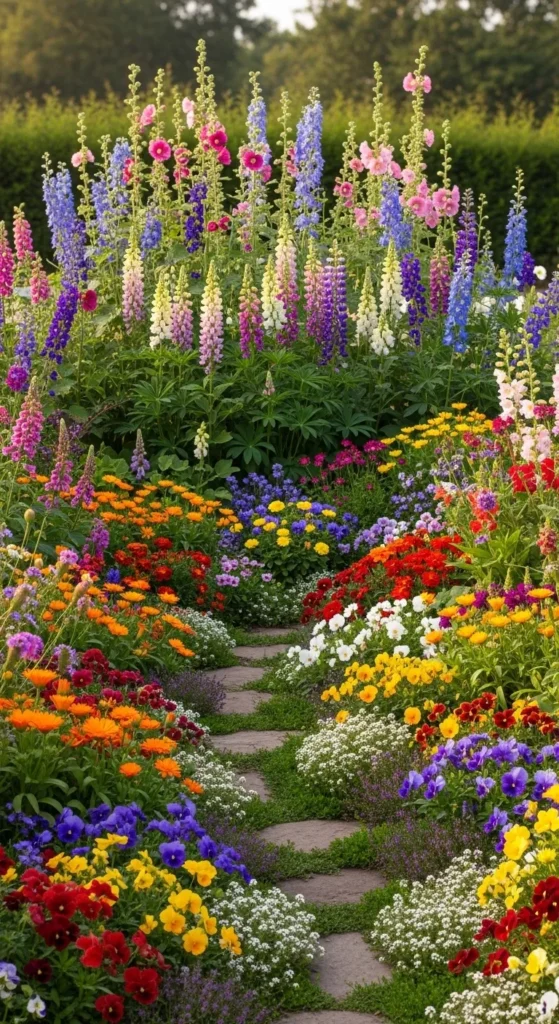
Cottage-style flower beds thrive on variety and natural charm. Mixing textures, heights, and colors produces a cozy, informal appearance reminiscent of traditional countryside gardens. Planting in clusters adds fullness and creates a cheerful ambiance.
This style encourages biodiversity by attracting pollinators like bees and butterflies. It’s low-maintenance if native and hardy plants are used, offering both charm and functionality while turning a garden into a picturesque outdoor escape.
11. Rock Garden Flower Bed
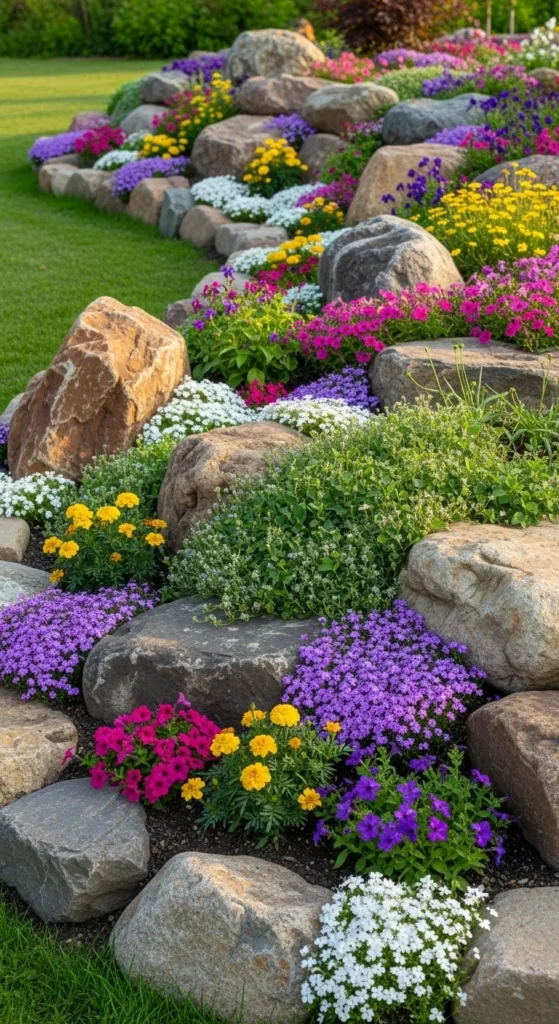
Rock garden flower beds combine structure and natural beauty. The rocks create variation in height and microclimates, ideal for planting hardy perennials and alpine flowers. The mix of stone and blooms creates a visually interesting, low-maintenance garden feature.
Functionally, rocks help retain soil moisture and protect roots from heat. They also reduce erosion and provide natural pathways for plant growth, making this design both practical and aesthetically captivating for any outdoor space.
12. Raised Circular Flower Bed with Seating
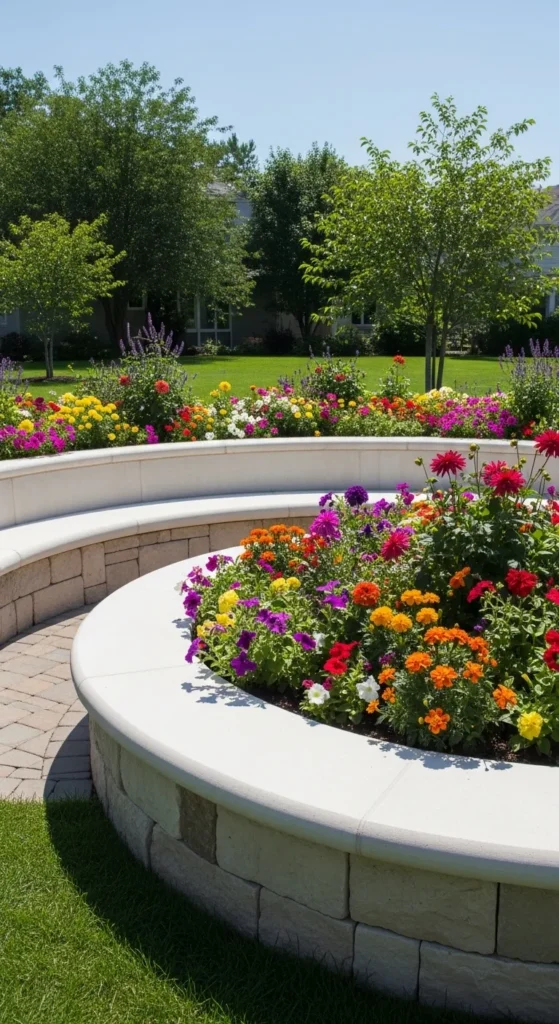
This design blends comfort and utility. The seating encourages visitors to linger, appreciate the flowers, and interact socially within the garden. It transforms a standard flower bed into a multifunctional feature.
The elevated planting improves drainage and soil quality while making flower maintenance easier. Combining aesthetics, accessibility, and seating ensures a practical and inviting addition to any backyard garden space.
13. Formal Symmetrical Flower Bed
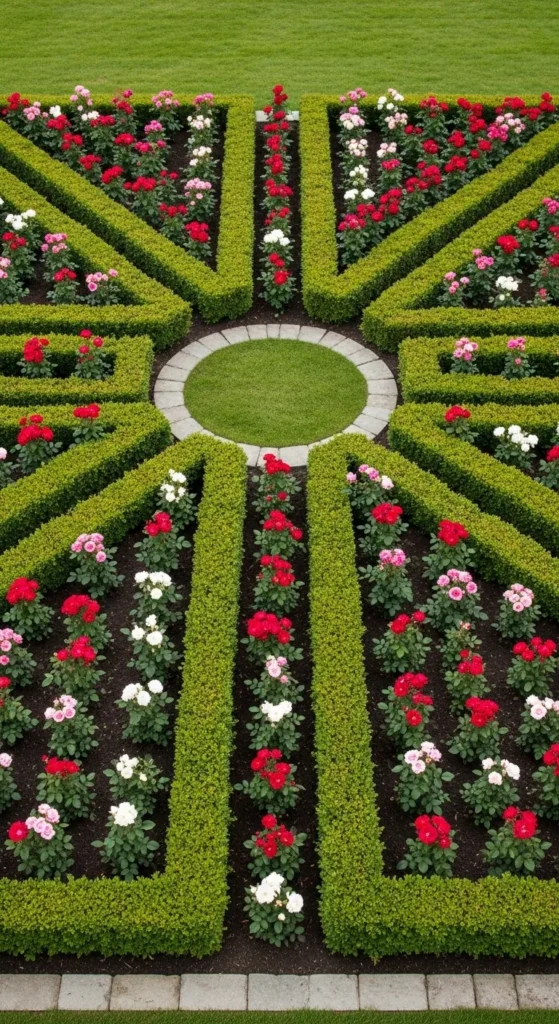
Symmetrical flower beds bring a sense of harmony and sophistication. The repetition of colors and shapes creates visual balance, ideal for formal gardens or entryways. Symmetry guides the eye and provides a structured, professional appearance.
Functionally, this design simplifies maintenance and planting schedules. Gardeners can predict growth patterns and plan seasonal changes effectively, combining beauty with organization to create an enduring, elegant garden feature.
14. Wildflower Meadow Bed
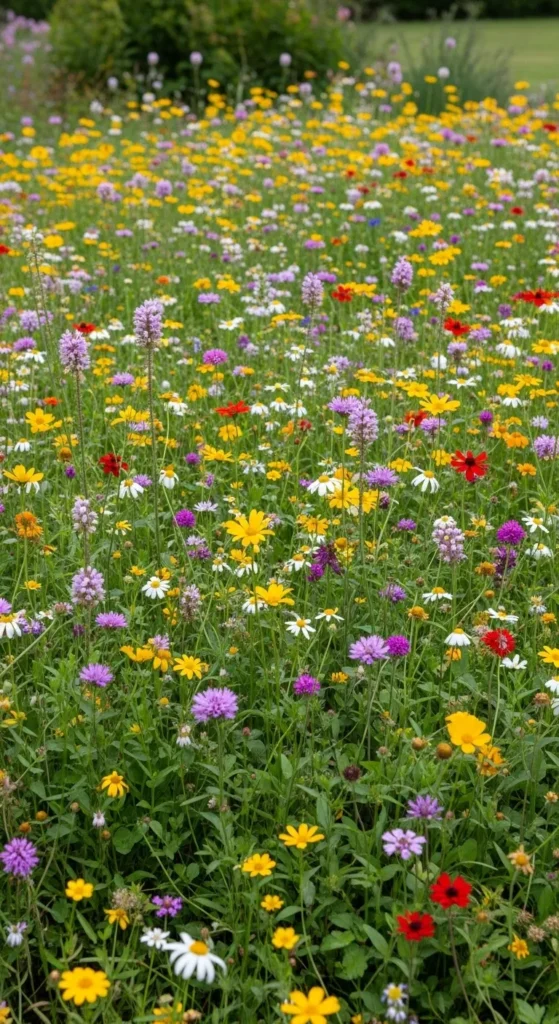
Wildflower beds offer a relaxed, natural aesthetic. They support wildlife, attract bees and butterflies, and provide dynamic seasonal color. This informal design suits homeowners wanting a low-maintenance, eco-friendly garden.
The diverse plant selection reduces disease risk and improves soil health. With natural growth patterns, wildflower beds give a sense of movement and life to any backyard while promoting environmental sustainability.
15. Hanging Flower Bed Planters
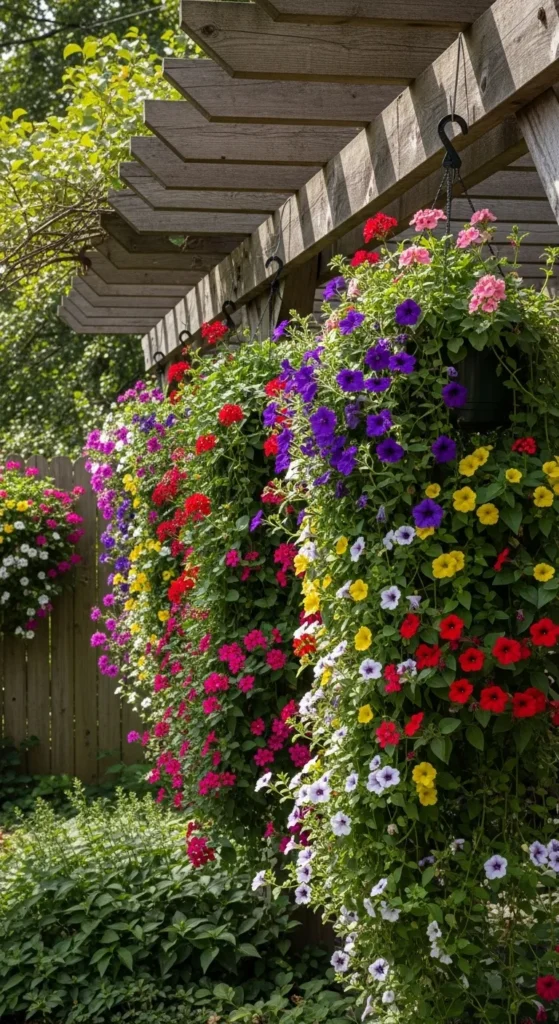
Hanging flower beds offer creative vertical gardening solutions. They are ideal for small yards or patios, turning walls, fences, or pergolas into colorful displays. Cascading flowers add depth and softness to garden structures.
Functionally, elevated planting improves drainage and keeps blooms away from pests. This design increases planting space without expanding the garden footprint, combining beauty, practicality, and innovation for compact or urban gardens.
16. Butterfly Garden Bed
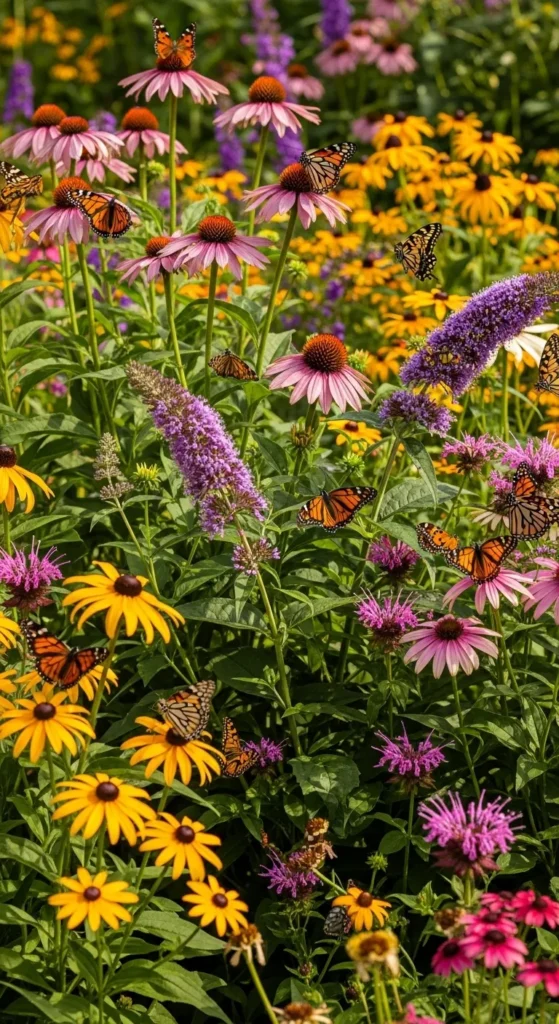
Butterfly gardens create a lively, engaging outdoor space. Selecting blooms that attract pollinators brings energy and motion, enriching the sensory experience of your garden. Bright colors and layered planting create an eye-catching display.
Functionally, these beds contribute to the local ecosystem and help with pollination of other plants. The combination of aesthetics and environmental benefit makes butterfly garden beds a thoughtful, beautiful addition to any backyard.
17. Zen Garden Flower Bed
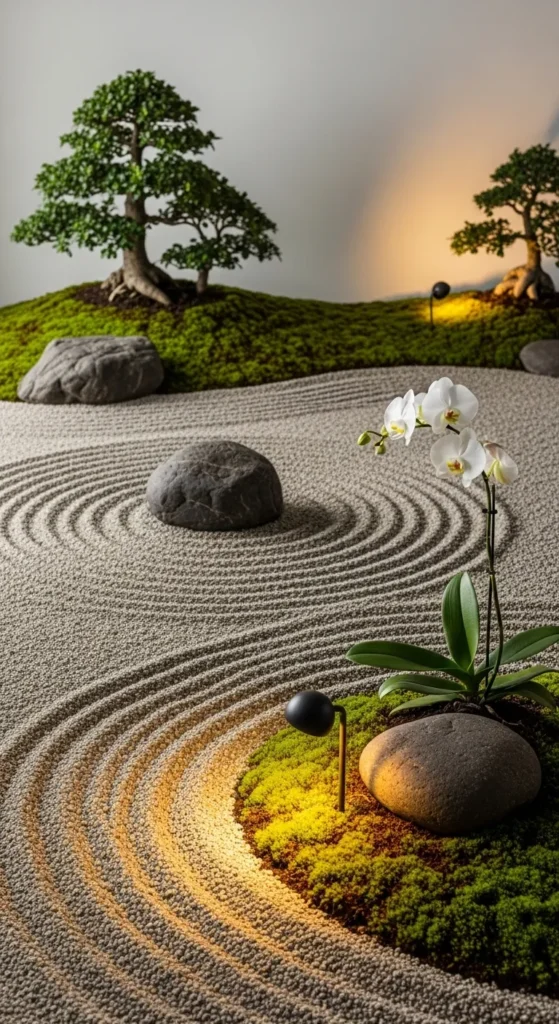
Zen-inspired flower beds focus on balance and serenity. Minimalist planting, combined with rocks and gravel, creates a calming visual environment perfect for meditation or relaxation. Soft blooms add subtle color without overwhelming the space.
Functionally, low-maintenance plants and gravel reduce upkeep while emphasizing structure and form. Zen garden flower beds transform your backyard into a mindful retreat, blending aesthetics with peaceful functionality.
18. Raised Rectangular Herb and Flower Bed
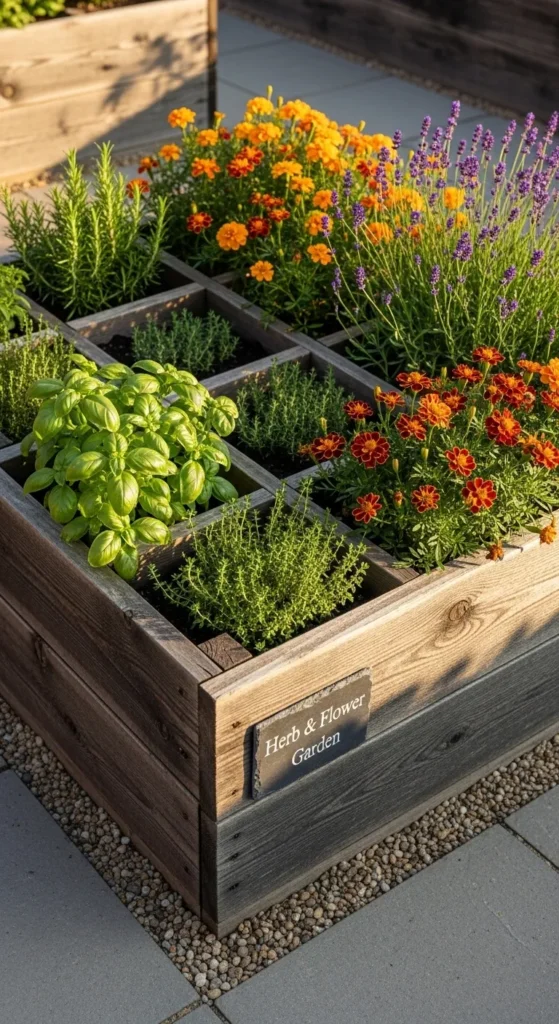
Combining herbs and flowers maximizes garden functionality. Aromatic herbs provide scent and utility, while flowers add visual appeal. Raised design improves accessibility and drainage, perfect for gardeners of all ages.
Functionally, the mixed planting encourages companion growth and deters pests naturally. It creates a multi-purpose garden feature that is both attractive and practical, blending aesthetics with culinary benefits.
19. Rock and Succulent Flower Bed
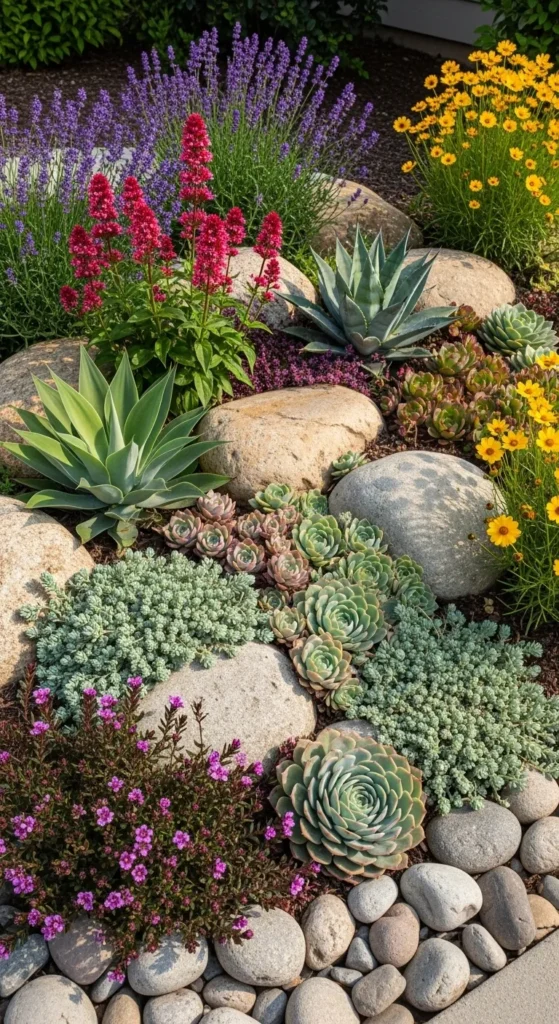
Succulent and rock beds provide texture, dimension, and year-round interest. They require minimal water and maintenance, making them eco-friendly. Combining succulents with flowering plants ensures color and variety in an arid landscape.
Functionally, rocks reduce soil erosion and retain moisture for plants. This design is ideal for homeowners seeking low-maintenance, contemporary, and visually appealing garden solutions that balance sustainability with aesthetic impact.
20. Multi-Level Corner Flower Bed
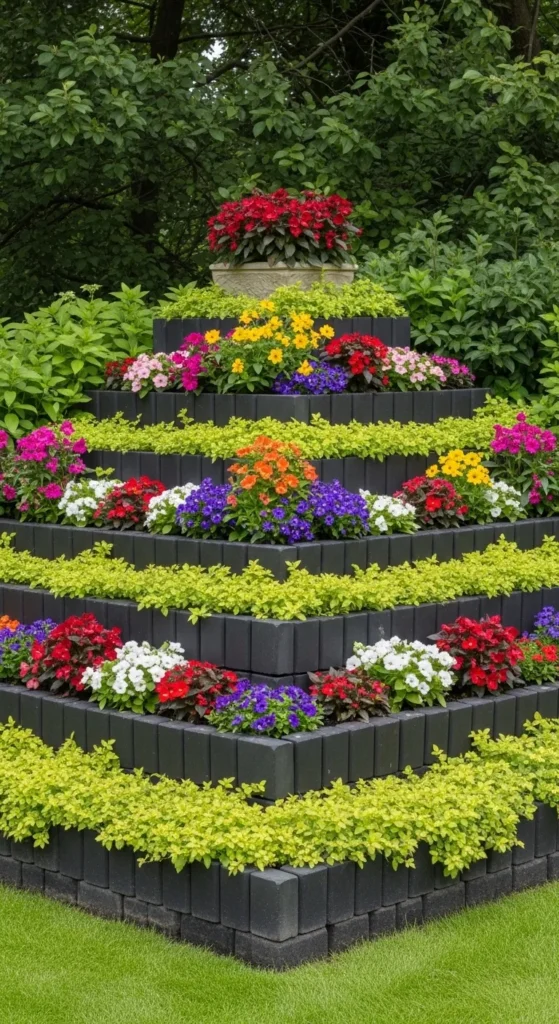
Multi-level corner beds provide height and visual interest. Different layers allow for tall, medium, and groundcover plants, creating a full, lush appearance that draws attention to otherwise underutilized corners.
Functionally, this setup improves sunlight exposure, soil drainage, and plant accessibility. Multi-level planting makes corner spaces both practical and beautiful, providing a vibrant, dynamic addition to any garden layout.
Conclusion
Flower beds are a versatile and impactful way to beautify any garden. From formal symmetrical designs to wildflower and tiered layouts, these 20 flower bed ideas offer inspiration for creating colorful, dynamic, and functional outdoor spaces. By selecting the right combination of plants, shapes, and materials, gardeners can design beds that reflect personal style while enhancing curb appeal. Thoughtful flower bed planning transforms ordinary gardens into inviting, vibrant retreats for relaxation and enjoyment.