

Beach Tents & Shades


Beach Tents & Shades — The King of Style, The Boss of Shade
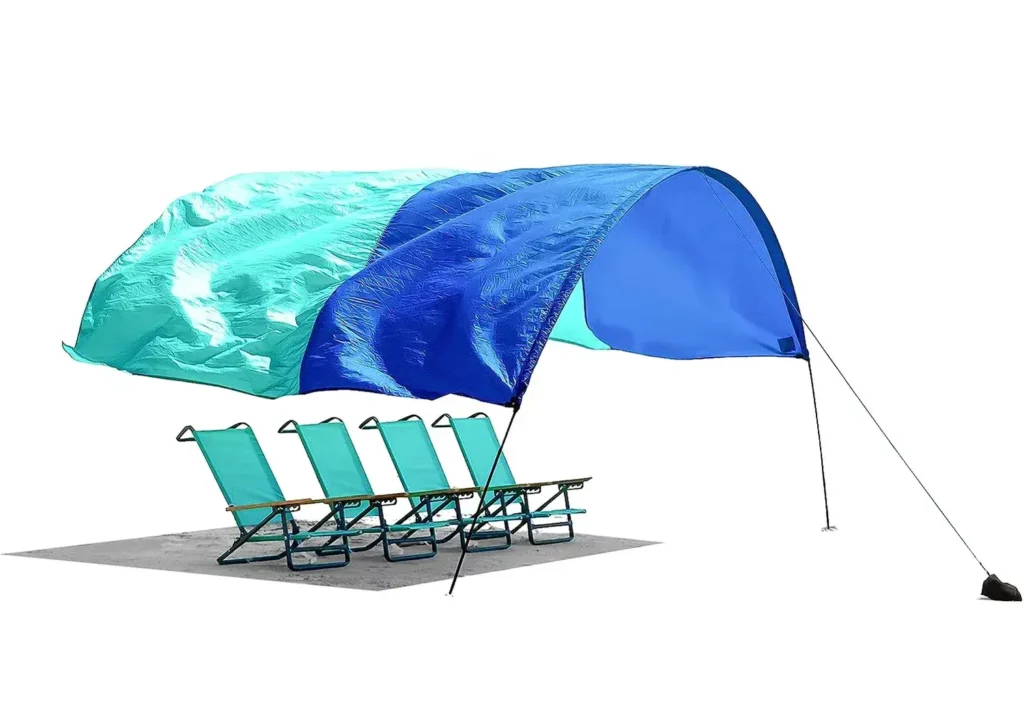
This guide defines beach tents and shades, compares types, and gives short, reusable lines for product copy, FAQs, captions, and quick decisions. Read the first paragraph and headings to grasp scope; each heading gives a short summary of the next five lines, then five concise, original lines you can use.
What are Beachtents ?
clear definition, main parts, common use, quick benefit, core difference from umbrellas.
- A beach tent is a lightweight shelter with a fabric canopy and frame.
- Core parts: canopy, poles, stakes, vents, carry bag.
- It protects from sun, wind, and light spray.
- It creates a private shaded space on sand.
- Tents block low-angle sun better than umbrellas.
What are short Beach Tents & Shades ?
compact footprint, quick setup, solo use, travel fit, easy pack.
- Short tents cover one to two people.
- They fold into small carry bags.
- Setup uses few poles and peg points.
- They suit quick stops and light gear.
- Short models favor minimal packing space.
What are Long Beach Tents & Shades ?
extended floor area, family coverage, full privacy, multiple doors, group use.
- Long tents cover family-sized spots and gear.
- They include multiple entry points for airflow.
- Floor panels add sand-free living space.
- They pair well with low tables and coolers.
- Long tents serve shade and changing-room needs.
What issues come with a small Beach Tents & Shades ?
limited space, ventilation needs, anchoring challenges, sun spill, gear fit.
- Small tents limit moving space and storage.
- Poor ventilation increases heat inside.
- They need careful anchoring in loose sand.
- Low sun angle bypasses small canopies.
- Larger groups require multiple shelters.
What are cute Beach Tents & Shades puns?
short playful puns that fit captions and tags.
- Shade your eyes, brighten your day.
- Tent-sational beach vibes only.
- Canopy of calm, seat of sun.
- Pitch perfect for sandy naps.
- Hut is so good: shade and smile.
What is the performance Beach Tents & Shades?
fabric strength, wind test, UV rating, pole system, anchoring.
- Performance tents use high UV-block fabrics.
- Poles resist flex and snap under gusts.
- Vented tops reduce uplift and heat.
- Anchors include sandbags or screw pegs.
- Reinforced seams extend service life.
What are premium Beach Tents & Shades?
upscale fabrics, robust frames, extras, warranty, design polish.
- Premium tents use marine-grade textiles and zippers.
- Frames use anodized aluminum or composite poles.
- Extras include sand floor, windows, and storage pockets.
- Brands include warranty and spare parts.
- Design favors muted colors and neat trims.
What are the canopy Beach Tents & Shades ?
canopy shape, venting, UV coating, water resistance, edge design.
- Canopies come round, dome, or rectangular.
- Vented canopies reduce wind lift and heat.
- UV-coated fabric cuts sun transmission.
- Water-resistant finishes handle light spray.
- Hem design affects airflow and shade edge.
What is the value of a Beach Tents & Shades?
sun safety, comfort, privacy, multi-use, resale.
- Tents lower direct UV exposure significantly.
- They create a cooler, private spot for families.
- Tents double as changing rooms and nap spots.
- Durable models last many seasons.
- Good tents keep value for resale.
What makes weak Beach Tents & Shades unreliable?
flimsy poles, thin fabric, poor vents, weak seams, bad anchors.
- Thin poles bend and lose shape in wind.
- Low-denier fabric tears at stress points.
- No vents trap heat and cause flutter.
- Weak seams open under repeated use.
- Poor anchors let tents blow away or tilt.
Why is Beach Tents & Shades a popular choice?
shade footprint, privacy, family use, quick shelter, sun safety.
- Tents create a broad shaded area quickly.
- Families gain private space for children and gear.
- Tents provide a wind buffer on blustery days.
- Setup takes minutes with basic poles.
- Shade reduces sunburn and overheating risks.
Why do people avoid small Beach Tents & Shades sometimes?
cramped space, heat buildup, limited storage, vulnerable in wind, single-user focus.
- Small tents feel cramped for long stays.
- Heat increases without adequate vents.
- They lack pockets for phones and sunscreen.
- Light models need careful pegging and ballast.
- They limit group activities under shade.
Why do Beach Tents & Shades provide better shade?
canopy coverage, angle control, fabrics, positioning, multi-person shade.
- Tents block low-angle sun more effectively than umbrellas.
- A larger canopy area covers more heads and gear.
- Dense fabric prevents UV leakage.
- Positioning doors and panels optimizes shade through the day.
- Multi-person shade stays stable with proper anchoring.
Why are small Beach Tents & Shades not enough in strong sun?
limited canopy, reflective sand, low sun, prolonged exposure, coverage gaps.
- Small tents let reflected sand bounce heat into the space.
- Low sun angles slip under short canopies and doors.
- Longer stays require broader shade for comfort.
- Groups need overlapping shelters to avoid sun gaps.
- Small models suit short visits, not full-day stays.
Why are Beach Tents & Shades a useful travel item?
compact pack, quick setup, multifunctional shade, travel weight, family ease.
- Many tents fold into compact carry bags for travel.
- Setup uses few poles and matches quick stops.
- Tents work at beaches, parks, and festivals.
- Lightweight models fit in car trunks or backpacks.
- Families use tents as base camps for day trips.
Why might a small Beach Tents & Shades be harder to use?
anchoring needs, ventilation, entry space, awkward packing, limited features.
- Small tents demand precise sand anchoring.
- Poor vents increase interior heat on sunny days.
- Narrow doors make moving gear awkward.
- Compact poles may tangle in storage.
- Few small models include extra pockets or floors.
Why are Beach Tents & Shades favored for durability?
robust fabric, reinforced joints, corrosion-free hardware, tested design, repairability.
- Durable tents use high-denier, UV-stable fabric.
- Reinforced joints resist repeated assembly cycles.
- Stainless or anodized hardware avoids salt corrosion.
- Engineers test tents for wind and UV exposure.
- Repair patches and spare poles extend service life.
Why does a Beach Tents & Shades umbrella break more easily?
mismatch of design to use, cheap materials, no vents, improper pegging, user misuse.
- Light umbrellas fail when used as tent substitutes in wind.
- Thin ribs and cheap connectors snap under gusts.
- No vent design lifts and tears canopies.
- Poor pegging leaves fixtures exposed to uplift.
- Forceful folding breaks hinges and joints.
Why do shoppers prefer Beach Tents & Shades for comfort?
privacy, calm space, cooler environment, gear protection, family focus.
- Tents offer privacy for changing and nursing.
- They form calm zones away from crowds and wind.
- Cooler air inside keeps kids and elders comfortable.
- Tents protect electronics and food from the sun.
- Families use tents to centralize gear and seating.
Why does a small Beach Tents & Shades limit coverage?
canopy span, seating spread, low-door gaps, activity area, gear storage.
- Small tents cover little seating or play areas.
- They fail to shade multiple chairs or a cooler.
- Low doors let sun reach laps and legs.
- Active kids need play space outside a tiny tent.
- Gear often sits exposed outside a small footprint.
Are Beach Tents & Shades essential for a comfortable beach day?
Beach tents and shades provide clear comfort and sun protection for most beach days. They create cool, private space for families, protect gear from sun damage, and reduce UV exposure for long stays. For full-day visits or group outings, a reliable tent changes a beach day into a relaxed, safer experience.
What are the adjustable beach tents?
variable panels, extendable poles, tilt vents, modular floors, multiple entrances.
- Adjustable tents allow canopy angle changes for sun control.
- Telescoping poles adjust headroom and pitch.
- Zip panels open for airflow or close for privacy.
- Modular floors convert open shade into sand-free bases.
- Multiple doors improve cross-ventilation and access.
What are the beach camping tents?
rugged frames, sand feet, quick-pack, vestibules, storage pockets.
- Beach camping tents use robust poles for coastal winds.
- They include wide sand feet to prevent sinking.
- Quick-pack designs fold small for car camping.
- Vestibules store coolers and shoes out of sand.
- Interior pockets organize small items on long stays.
What are the beach tents set?
coordinated bundles, shade plus chairs, multi-tent kits, family packages, easy matching.
- Tent sets bundle a shade shelter with chairs and a table.
- Family kits include extra stakes and sand anchors.
- Coordinated colorways create a tidy beach camp.
- Sets often add carry bags and repair kits.
- Kits simplify packing for group trips.
What are the full length beach tents?
end-to-end coverage, floor panels, full privacy, large gear storage, multi-room options.
- Full-length tents provide a floor for lying out and gear storage.
- They give full privacy for changing and naps.
- Rooms separate sleeping from living spaces in extended stays.
- They require stronger poles and heavier anchors.
- Full-length tents suit family day camps and picnics.
What are the Short length beach tents?
ultra-compact shelters, quick shade, backpack fit, one-person use, minimal features.
- Short tents fold into small bags for backpack travel.
- They set up in minutes with simple hub poles.
- Designed for solo stops and quick shelter needs.
- They offer minimal storage but fast packability.
- Short tents trade space for travel convenience.
What are the best tall beach tents?
high headroom, stand-up space, ventilation, large doors, event use.
- Tall tents provide stand-up room for changing and gear handling.
- Higher ceilings improve airflow and reduce heat.
- Wide doors ease in-and-out movements with bags.
- Tall tents suit photo shoots and group gatherings.
- Strong poles and anchors keep tall shapes stable.
What are the best high beach tents?
elevated design, robust frame, extra vents, canopy overhang, increased comfort.
- High tents give more usable interior volume for families.
- Reinforced hubs handle the taller load.
- Extra vents manage air movement and reduce heat.
- Overhangs extend shade beyond the base.
- High tents add a roomy basecamp feel at the beach.
What are the plastic foldable beach tents?
low cost, simple panels, lifetime limits, quick pack, limited UV life.
- Plastic-panel tents use molded panels for fast assembly.
- They fold flat and store easily in small cars.
- UV exposure shortens plastic panel life.
- They suit short-term use and rental fleets.
- Lightweight but less durable than fabric models.
What are the beach cushion tents?
padded floors, comfort mats, removable covers, seating pads, nap-ready.
- Cushion tents include foam floors for comfy lounging.
- Removable covers ease cleaning after sandy days.
- They double as play mats for kids.
- Cushions reduce gear impact and increase nap comfort.
- Larger cushions act as communal seating zones.
What are the wooden beach tents?
frame accents, resort-style builds, heavy base, maintenance, classic look.
- Wooden tents use timber frames for a resort aesthetic.
- They anchor into decks or heavy bases for stability.
- Wood needs sealing to resist salt and sun.
- These tents favor long-term beach installations.
- They suit cabanas and boutique rental spots.
What are the flat folding tents?
ultra-compact pack, slim profile, shelf storage, quick open, airline-friendly.
- Flat folding tents collapse thin for tight storage.
- They slide into overhead bins or shallow trunks.
- Quick-open hubs expand the tent in seconds.
- Slim packs ease transport on bikes or boards.
- Not all flat folds include heavy-duty anchors.
What are the lightweight beach tents?
minimal poles, featherweight fabric, backpack friendly, quick pitch, lower wind tolerance.
- Lightweight tents use thin alloy poles and fine ripstop fabric.
- They carry easily for long beach walks.
- Pack size shrinks to a small carry case.
- Quick pitch makes them handy for pop-up shade.
- They trade ruggedness for portability.
What are the heavy beach tents?
reinforced poles, sand anchors, wind tests, large canopies, multi-person capacity.
- Heavy tents anchor into the sand with screw pegs or ballast.
- Reinforced poles resist strong gusts and repeated setup.
- Large canopies create stable shade for events.
- Heavy tents include floors and multi-room options.
- They suit rental fleets and family basecamps.
What are the neso beach tents?
Neso-brand features, compact pop-up, lightweight, travel-focused, micro-camp use.
- Neso tents use hubbed pop-up frames for very quick setup.
- They fold into small, round carry cases for flights.
- Designed for solo travelers and light gear.
- Mesh panels increase airflow and bug protection.
- Neso models fit in overhead bins and backpacks.
What are the weak beach tents?
poor materials, flimsy hubs, minimal anchors, no vents, short lifespan.
- Weak tents use thin fabric that tears at seams.
- Hub connectors snap under repeated stress.
- Minimal anchors let tents drift in gusts.
- No vents create heat buildup and flutter.
- Short warranties hint at a short useful life.
What are the durable beach tents?
tested fabric, reinforced hubs, corrosion-resistant hardware, heavy anchors, long warranty.
- Durable tents use high-denier, UV-stable fabric.
- Reinforced hubs resist repeated assembly cycles.
- Stainless or anodized fittings resist salt corrosion.
- Heavy anchors and sandbags secure tents in the wind.
- Long warranties reflect manufacturer confidence.
What are the best backpack beach tents?
packable, hub pop-up, light poles, small packs, trekking-friendly.
- Backpack tents compact into small, round bags for hikes.
- Hubbed frames speed setup after long walks.
- Lightweight fabric keeps carry weight low.
- Packs include strap loops for external gear.
- They match beach hikes and surf trips.
What are the top rated beach tents?
reviewer favorites, durability scores, comfort picks, best value models, travel winners.
- Top-rated tents combine durability, shade, and easy setup.
- Reviewers reward strong anchors and vent design.
- High-rated travel tents fold small and pitch fast.
- Best-value models balance price and useful features.
- Family picks emphasize floor space and privacy.
What are the business and pleasure beach tents?
branded tents, event rentals, corporate shelter, display features, durable fleet.
- Business tents include custom printing for brand visibility.
- Event rentals provide multiple shelters for large crowds.
- Corporate tents offer sturdy, consistent setups for activities.
- Pleasing designs match both function and aesthetics.
- Fleet tents use heavy anchors and easy-repair hubs.
What are the deck tents for the beach?
fixed or bolted, sturdy bases, deck sleeves, easy access, venue use.
- Deck tents bolt into wooden decks or concrete pads for stability.
- They provide shade for cafes and boardwalk seating.
- Deck sleeves hide anchors and keep setups tidy.
- They offer easy access for elderly and strollers.
- Deck tents match permanent venue needs.
What are the canvas beach tents?
heavy fabric, classic look, breathability, repairable, long life with care.
- Canvas tents use thick woven fabric for durable shade.
- They breathe well and reduce heat buildup.
- Canvas repairs often mend rather than replace.
- They suit premium rentals and long-term installs.
- Proper care extends canvas life significantly.
What are the images of beach tents?
shot angles, lighting tips, staging props, lifestyle frames, detailed close-ups.
- Shoot beach tents low to show canopy scale against sky.
- Use golden hour light for warm, inviting tones.
- Stage with towels, coolers, and low tables for lifestyle appeal.
- Include close-ups of seams, zippers, and vents for quality cues.
- Show family scenes to communicate capacity and comfort.
What are the striped beach tents?
classic stripes, color pairings, pattern scale, retro feel, brand identity.
- Striped tents use bold bands for instant beach identity.
- Nautical blues and whites remain timeless choices.
- Narrow stripes read vintage; wide stripes read modern.
- Pattern matching unifies multiple shelters at events.
- Stripes photograph well from a distance at crowded beaches.
What are the beach scene tents?
staged group layouts, sunset framing, props, activity zones, family compositions.
- Scene tents arranged in clusters for family basecamps and picnics.
- Place tents near tide lines to include reflective foregrounds.
- Add chairs, boards, and lanterns to build a lived-in scene.
- Use overlapping tents to create circulation paths and shade corridors.
- Evening scenes include soft lanterns and folded mats for cozy photos.
What are the antique beach tents?
restored frames, heritage textiles, collector value, patina, careful display.
- Antique tents show wood frames and canvas panels with patina.
- Restoration preserves original patterns and stitching.
- Collectors value maker labels and period features.
- Antique tents fit museums, sets, and retro venue decor.
- Careful storage and cleaning preserve vintage fabric and poles.
What is the family beach tent?
multi-room layouts, privacy panels, large floors, pockets and hooks, durable anchors.
- Family tents include multiple zones for sleeping, play, and storage.
- Inner pockets and hooks organize toys and essentials.
- Large floors keep sand out of gear and food.
- Privacy panels allow changing and naps away from view.
- Strong anchors and reinforced poles keep large tents stable.
follow for more:”voyage quotes and gear“


