

Best Travel Tripods: Lightweight, Stable, and Easy for Any Shot

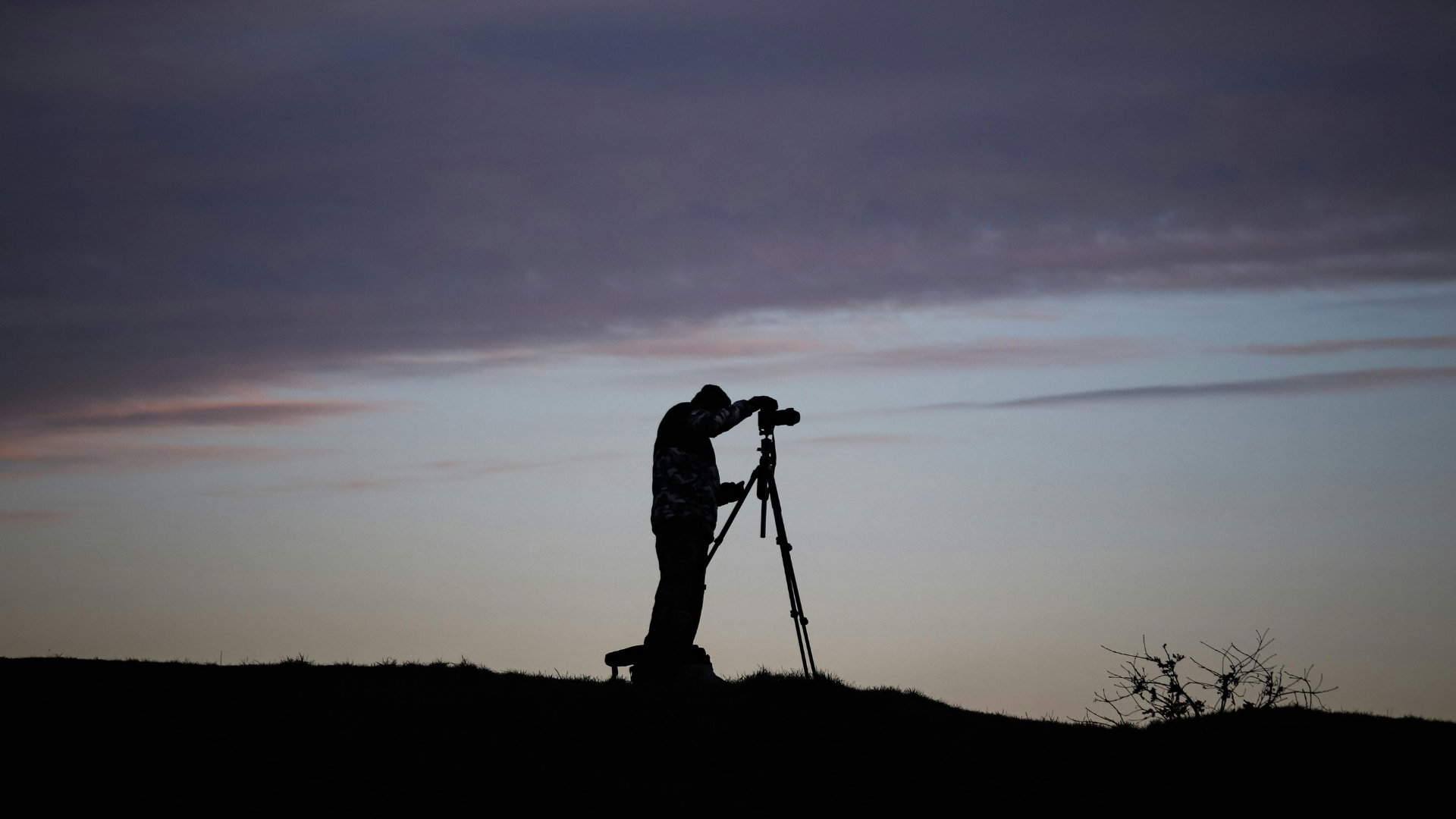
Best Travel Tripods: Lightweight, Stable, and Easy for Any Shot

A travel tripod is a portable camera support designed to stay stable while remaining easy to carry. Real travel use exposes tripods to vibration, wind, uneven ground, and repeated packing stress. Stability depends on leg design, materials, and weight distribution, not just height claims. Portability depends more on folded size than extended height. This guide explains how travel tripods behave outside spec sheets, using clear definitions and practical structure.
What makes a travel tripod actually useful instead of dead weight
- A useful travel tripod balances stability and carry weight.
- Folded size affects bag compatibility more than height.
- Simple controls reduce setup time on the road.
- Secure leg locks prevent sudden collapse.
- Reliable performance matters more than extra features.
Which tripod designs stay stable without feeling bulky
- Wider leg angles improve ground contact.
- Fewer leg sections reduce flex points.
- Short center columns increase rigidity.
- Balanced head placement lowers vibration.
- Compact frames reduce leverage in wind.
Why travel tripods wobble right when the shot matters
- Thin legs flex under uneven load.
- Extended center columns amplify movement.
- Lightweight heads transmit vibration.
- Wind pressure affects narrow profiles.
- Loose leg locks reduce stiffness.
What separates real travel tripods from glorified table stands
- Real tripods support eye-level shooting.
- Table stands limit framing options.
- Travel tripods handle uneven terrain.
- Load ratings match real camera weight.
- Leg spread provides outdoor stability.
Which tripods survive backpacks, flights, and bad handling

- Tripods with recessed locks resist snags.
- Aluminum joints tolerate impact better.
- Compact folded profiles reduce leverage.
- Reinforced hinges prevent cracking.
- Simple designs survive repeated packing.
Why lightweight tripods often fail in windy conditions
- Low mass increases vibration response.
- Narrow legs catch side gusts.
- Tall extension increases sway.
- Light heads transmit motion faster.
- Poor damping worsens the shake.
What tripod features matter most when shooting on the road
- Leg lock reliability affects safety.
- Folded length affects portability.
- Head smoothness affects framing speed.
- Material stiffness affects stability.
- Weight balance affects comfort.
Which travel tripods balance portability and stability best
- Mid-weight designs reduce vibration.
- Moderate leg thickness improves stiffness.
- Compact folds ease transport.
- Short center columns add strength.
- Simple heads reduce failure points.
Why folded size matters more than height for travelers
- Bags limit internal length.
- External carry increases snag risk.
- Compact tripods fit daypacks.
- Short folds speed airport movement.
- Height matters less than usability.
What makes a tripod phone-friendly without feeling flimsy
- A stable mounting plate supports clamps.
- Low minimum height improves phone angles.
- Wide leg spread improves balance.
- Secure head prevents tilt creep.
- Lightweight phones still need stiffness.
Which tripods work equally well for cameras and phones
- Adjustable heads support multiple mounts.
- Stable legs handle varied weight.
- Smooth tilt benefits both formats.
- Quick setup suits mobile shooting.
- A balanced center prevents tipping.
Why backpackers regret carrying the wrong tripod
- Excess weight causes fatigue.
- A long folded size hits branches.
- Complex setup wastes shooting time.
- Weak stability ruins long exposures.
- Poor durability fails mid-trip.
What materials handle travel abuse without cracking
- Aluminum bends before breaking.
- Carbon fiber resists vibration well.
- Plastic joints crack under stress.
- Metal locks last longer.
- Hybrid builds balance cost and strength.
Why carbon fiber feels magical until the price tag shows up
- Carbon fiber dampens vibration efficiently.
- Weight savings improve carry comfort.
- Manufacturing costs raise prices.
- Repairs cost more when damaged.
- Performance gains matter in wind.
Which aluminum tripods surprise travelers in a good way
- Aluminum resists dents and impacts.
- Cost stays reasonable.
- Weight remains manageable for travel.
- Cold tolerance stays predictable.
- Longevity improves under abuse.
What load capacity really means outside spec sheets
- Load ratings assume ideal conditions.
- Extended columns reduce real capacity.
- Wind lowers usable load.
- Head strength matters as much as legs.
- Balance affects real stability.
Why tall tripods feel impressive but travel poorly
- Extra height increases leverage.
- Longer legs add flex.
- Folded length grows quickly.
- Stability drops when fully extended.
- Portability suffers in transit.
Which tripods stay steady on uneven ground
- Independent leg angles adapt better.
- Rubber feet improve grip.
- A low center of gravity helps.
- Short columns reduce sway.
- Stiff leg materials improve balance.
Why center columns ruin stability more often than expected
- Columns act as vibration amplifiers.
- Height gain reduces stiffness.
- Load shifts increase movement.
- Wind affects elevated mass.
- Short columns perform better.
What makes tripod legs lock securely instead of slipping
- Metal cam locks resist wear.
- Twist locks need precise tolerances.
- Dirt-resistant designs last longer.
- Consistent tension prevents creep.
- Fewer sections reduce failure points.
Why cheap tripod heads ruin otherwise decent tripods
- Poor heads introduce drift.
- Weak clamps slip under load.
- Rough movement slows framing.
- Plastic gears wear quickly.
- Head quality defines usability.
Which head types work best for travel photography
- Ball heads allow fast framing.
- Compact heads reduce bulk.
- Smooth friction control aids precision.
- Simple designs reduce maintenance.
- Stable locking prevents creep.
Why multi-angle legs feel clever but confuse beginners
- Extra joints complicate setup.
- Misalignment causes instability.
- The learning curve slows shooting.
- Simple angles work faster.
- Complexity increases failure risk.
What tripod height works best for real-world travel shots
- Chest-level height suits most scenes.
- Eye-level rarely needed outdoors.
- Lower profiles improve stability.
- Height flexibility matters more than max height.
- Compact designs cover most needs.
Why compact tripods often limit creativity
- Low max height restricts angles.
- Narrow leg spread limits terrain use.
- Small heads limit smooth movement.
- Stability caps long exposures.
- Compactness trades off versatility.
Which tripods travelers trust for night shots and long exposures
- Heavier travel tripods damp vibration.
- Carbon fiber reduces oscillation.
- A wide stance improves steadiness.
- Short columns reduce movement.
- Secure heads prevent drift.
Why some tripods feel solid indoors but fail outdoors
- Indoor floors are flat and wind-free.
- Outdoor terrain adds instability.
- Wind reveals flex weakness.
- Uneven ground stresses joints.
- Weight balance changes outdoors.
What mistakes travelers make when buying travel tripods
- Prioritizing height over stability.
- Ignoring folded size.
- Trusting load numbers blindly.
- Choosing weak heads.
- Overvaluing extreme lightness.
Why “best overall” tripods rarely fit every travel style
- Travel styles vary by weight tolerance.
- Shooting needs differ by terrain.
- Bag sizes limit tripod choice.
- Camera weight changes requirements.
- No single design fits all.
Why travel tripods shake at the worst possible moment
- Wind peaks during open landscapes.
- Columns extend during framing.
- Lightweight legs resonate.
- Shutter press adds vibration.
- Loose locks amplify movement.
What tripod problems only appear after leaving home
- Locks clog with dust.
- Cold affects materials.
- Bags strain folded joints.
- Terrain exposes balance flaws.
- Long exposure reveals weakness.
Why the best travel tripod feels boring until you need it
- Reliable gear draws no attention.
- Stability goes unnoticed until missing.
- Simple designs fade into workflow.
- Failure-free use feels unremarkable.
- Dependability shows in results.
Questions (Clear Definitions)
What are travel tripods ?
- A travel tripod is a portable camera support.
- It balances stability and weight.
- It folds for transport.
- It supports cameras or phones.
- It stabilizes shots on the move.
What are great travel tripods ?
- Great travel tripods combine stiffness and portability.
- They resist vibration outdoors.
- They pack easily.
- They support real camera loads.
- They simplify setup.
What are recommended travel tripods?
- Recommended tripods meet travel size needs.
- They maintain stability under wind.
- They use durable materials.
- They include reliable heads.
- They suit common travel cameras.
What is the best lightweight travel tripod?
- Lightweight travel tripods minimize carry fatigue.
- They balance weight and stiffness.
- They fold compactly.
- They suit mirrorless systems.
- They handle moderate wind.
What are lightweight tripods for cameras?
- Lightweight camera tripods reduce bag weight.
- They support smaller camera systems.
- They prioritize compact design.
- They limit heavy accessories.
- They favor portability.
What is the best travel tripod for photography?
- Photography travel tripods prioritize stability.
- They support long exposures.
- They allow precise framing.
- They pack easily.
- They resist vibration.
What is the best monopod for travel ?
- A travel monopod supports vertical stability.
- It weighs less than a tripod.
- It limits framing options.
- It suits fast shooting.
- It packs very small.
What is the smallest camera tripod ?
- Smallest tripods fold very compactly.
- They fit small bags.
- They limit height and stability.
- They suit lightweight cameras.
- They favor portability over reach.
What is the best tripod carbon fiber ?
- Carbon fiber tripods reduce vibration.
- They weigh less than aluminum.
- They cost more.
- They resist wind better.
- They suit long exposures.
What are camera lightweight tripods ?
- Lightweight camera tripods reduce travel load.
- They suit mirrorless cameras.
- They fold compactly.
- They trade some stiffness.
- They favor mobility.
What are telescoping tripods?
- Telescoping tripods use extendable legs.
- They adjust height quickly.
- More sections reduce stiffness.
- Compact fold aids travel.
- Stability depends on lock quality.
What are the best budget tripods?
- Budget tripods balance cost and function.
- They use aluminum construction.
- They support basic camera loads.
- They limit premium features.
- They suit casual travel use.
What are ultralight tripods?
- Ultralight tripods minimize weight aggressively.
- They sacrifice stiffness.
- They suit minimal kits.
- They struggle in the wind.
- They favor portability.
What are tripods foldable?
- Foldable tripods collapse into compact lengths.
- They fit travel bags.
- They simplify transport.
- They limit max height.
- They favor mobility.
What are the best travel tripods for mirrorless cameras?
- Mirrorless tripods match lighter camera weight.
- They prioritize stiffness per weight.
- They fold compactly.
- They support lenses securely.
- They suit travel shooting.
What are portable tripods for cameras?
- Portable camera tripods travel easily.
- They reduce bulk.
- They support moderate loads.
- They fold compactly.
- They suit mobile shooting.
What is the best tripod for hiking?
- Hiking tripods minimize weight.
- They resist outdoor abuse.
- They pack tightly.
- They handle uneven ground.
- They support landscape shots.
What is the lightest travel tripod ?
- Lightest tripods reduce carry fatigue.
- They use carbon fiber.
- They sacrifice stiffness.
- They suit minimal kits.
- They favor portability.
What are collapsible tripods ?
- Collapsible tripods fold into short lengths.
- They ease transport.
- They reduce storage space.
- They limit height.
- They suit travel.
What are lightweight tripod stands?
- Lightweight tripod stands support small cameras.
- They reduce load.
- They favor portability.
- They limit heavy setups.
- They suit casual travel.
What is a dslr camera tripod ?
- DSLR tripods support heavier cameras.
- They require stronger legs.
- They resist vibration better.
- They weigh more.
- They suit serious shooting.
What is the best travel tripod for mirrorless?
- Mirrorless travel tripods balance weight and stiffness.
- They fold compactly.
- They handle moderate lenses.
- They support long exposures.
- They suit travel workflows.
What are digital tripods ?
- Digital tripods support digital cameras.
- They stabilize image capture.
- They allow long exposures.
- They support framing control.
- They improve consistency.
What are ultra lightweight tripods?
- Ultra lightweight tripods minimize mass.
- They trade stability.
- They suit minimal travel kits.
- They pack very small.
- They favor mobility.
What are compact camera tripods ?
- Compact camera tripods suit small cameras.
- They reduce bulk.
- They limit load.
- They fold easily.
- They suit casual shooting.
What are small travel tripods?
- Small travel tripods fit tight spaces.
- They reduce carry weight.
- They limit height.
- They favor portability.
- They suit lightweight cameras.
What is the best photography tripod ?
- Best photography tripods prioritize stability.
- They support long exposures.
- They resist vibration.
- They offer smooth heads.
- They deliver consistent results.
After these definitions, choosing a travel tripod becomes clear: match weight, folded size, material, and stability to how and where you actually shoot.

