
23 Ultimate Night Sky Captions + Must-Know 2026 Trends & Success Tips for Stunning Travel Photos

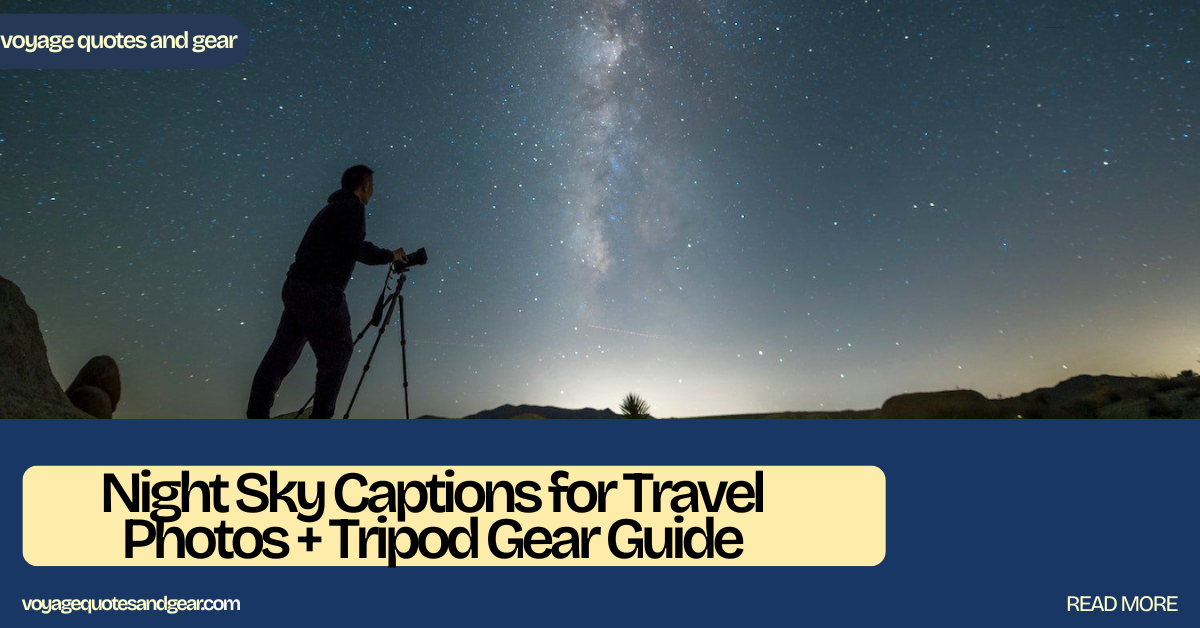
Capturing breathtaking night sky travel photos takes more than luck—it requires the right strategy, gear, and creativity. In 2026, trends in astrophotography focus on precision tripod setups, low-light mastery, and storytelling captions that turn simple images into unforgettable experiences. If you’re wondering how to succeed in night photography, start with a sturdy tripod, wide aperture settings, and thoughtful composition. Pair your shots with powerful night sky captions that spark emotion and wanderlust. These must-know success tips help reduce blur, control noise, and highlight brilliant stars with clarity. By following 2026 trends and refining your technique, you can transform ordinary starry scenes into scroll-stopping visuals that captivate audiences across Instagram, blogs, and travel platforms nationwide.
- Tripod whisper keeps stars steady.
- Long exposure composes a sky hymn.
- Remote shutter silences camera motion.
- Low ISO, wide aperture, quiet night.
- Milky seam threads horizon to sparkle.
- Ball head locks; the frame stays honest.
- Patient shutters reveal hidden trails.
- Carbon legs, light pack, steady summit.
- Interval clicks trace slow star robes.
- Center column down; stability improves.
- Lens heater fights dew and soft focus.
- Headlamp off; the sky keeps its eyes.
- Quick-release clamps speed calm setups.
- Mirror lock and delay reduce blur.
- Dark-sky pockets make small constellations loud.
Night sky captions have a special way of adding magic to your travel photos. A simple starry sky can speak volumes when paired with the right words. Captions that reflect wonder, serenity, or adventure help your audience feel the moment with you. Phrases like “under the same stars” or “the night sky whispers dreams” bring a poetic touch to your post. They remind us that some of the most breathtaking views happen when the world gets quiet. Whether it’s a mountain peak or a desert plain, the stars make every shot feel infinite. Your words can transform a night photo into a timeless memory.
Shooting night sky photos requires more than just a good camera—it’s about having the right tools to keep your vision steady. A sturdy yet lightweight tripod is essential for long exposure shots, allowing your camera to capture every detail of the stars. Tripods with adjustable legs are perfect for uneven ground like trails or rocky terrain. A ball head mount adds smooth control for precise framing. Pairing this with a remote shutter or timer minimizes shake for crystal-clear images. With the right tripod setup, you can focus on creativity instead of struggling with blur. It’s the secret to turning night skies into stunning travel stories.
To elevate your night photography, organization and patience are just as important as gear. Keep your tripod accessible so you can set up quickly when the stars align. Use wide-angle lenses and low ISO settings to capture more light and detail. A headlamp with a red light helps you work in the dark without ruining your night vision. Plan your shots ahead by scouting locations during the day. When your caption captures emotion and your gear captures clarity, the result is pure magic. Every night sky photo becomes a story of stillness, beauty, and discovery.
Breathtaking Night Sky Captions for Travel Photos
- Starlight traces calm routes across distant air.”
- “Night silence expands every horizon in view.”
- “Sky-dark turns each landmark into quiet art.”
- “Constellations frame the road with steady light.”
- “A moonlit path sharpens the edges of wanderlust.”
- “Galaxy depth adds scale to small moments.”
- “Slow stars steady a restless travel mind.”
- “Night air carries stories farther than daylight.”
- “Cloud gaps open small windows into cosmic order.”
- “A soft sky-glow shapes the outline of each memory.”
- “Distant points sketch balance on a long journey.”
- “A calm skyline helps the scene breathe better.”
- “Shadowed ridges echo the curve of the Milky Way.”
- “Night clarity settles the noise of the day.”
- “Sky-dark beauty turns simple travel into quiet awe.”
A poetic night sky caption transforms your photo into a story of serene wonder and infinite mystery.
A thoughtful caption transforms your starry photo into a deep, magical story for followers to feel..
- Whispers of the Night Sky
Let poetic captions mirror the night’s silent wonder, making your stargazing photos an unforgettable, emotional experience for all. - Celestial Magic in Every Shot
Evocative starry night captions transform your photo into a timeless story of infinite dreams and universal connection. - Adventure Written in the Stars
Adventurous captions like “chasing constellations” turn your night photo into a journey, sparking wanderlust and the thrill of discovery.
Creative Ideas to Capture the Magic of the Night Sky
- Tripod heartbeat steadies long-star poems.
- Starlight embroidery threads the dark.
- Foreground whispers anchor the endless sky.
- Long exposure reads the night’s slow handwriting.
- Light-paint a tent and sketch a tiny cosmos.
- Meteor stitch cuts the sky with quick truth.
- Aurora ribbon folds color into silence.
- Galaxy seam pulls horizon into a bright line.
- Interval frames make time speak in loops.
- Water reflections reverse the sky’s memory.
- Star-trails braid a crown above the camp.
- Remote click keeps the camera breathless.
- Low ISO and patient shutter yield honest stars.
- The lens heater ousts dew and saves focus.
- Compose with a silhouette for sudden depth.
Frame the starry sky with a landscape to create a deep, story-filled photo that becomes an unforgettable visual experience.
Capture the Milky Way’s magic by shooting during blue hour with a long exposure, adding a soft foreground light for a breathtaking, balanced scene.
- Experiment with Long Exposure Shots
Long exposure reveals the night’s hidden drama, transforming stars into brilliant trails for a breathtaking, time-laden photograph. - Incorporate Silhouettes for Added Depth
A foreground silhouette frames the starry sky, adding a dynamic, human touch to create a memorable and expressive photograph. - Play with Light Painting Techniques
Light painting with a flashlight adds artistic depth, perfectly blending your foreground with the starry sky for a magical photo.
Essential Night Photography Tips Every Traveler Should Know
- tripod anchors long exposures.”
- “Remote shutter stops the smallest shake.”
- “Low ISO keeps dark tones clean.”
- “Wide aperture gathers faint stars.”
- “Slow shutter turns motion into light.”
- “Manual focus finds true star points.”
- “Shoot RAW for room in the edit.”
- “Histogram guides exposure beyond the preview.”
- “Bracket exposures; choose the truest frame.”
- “The foreground anchor adds depth to the sky.”
- “Light painting reveals hidden details.”
- “White balance tuned to amber keeps night warm.”
- “Noise reduction calms shadow color specks.”
- “Lens dew calls for a quick wipe.”
- “Scout locations early; dark skies show best.”
Use a tripod and long exposure with a wide aperture to capture sharp, vivid, and balanced photos of the magical night sky.
Scout your location by day and bring warm layers to capture the night sky’s breathtaking story with creative, well-framed shots.
- Master the Art of Working with Low Light
Master night shots by adjusting aperture and shutter speed in manual mode, using patience to capture clear, balanced low-light images. - Stabilize Your Camera for Sharp Results
A sturdy tripod and manual focus are essential for capturing sharp, creative long-exposure shots of the night sky. - Plan, Prepare, and Be Patient
Scout your location by day and check the weather to capture breathtaking night shots with patience and preparedness.
Tripod Gear Guide for Stunning Night Sky Shots
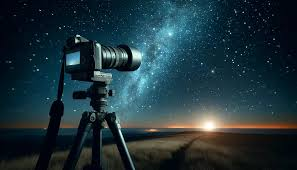
- Carbon legs: featherweight backbone, steady under stars.
- Ball head locks with quiet confidence.
- Center column down; the horizon stays true.
- Wide legs spread hands the frame to the earth.
- Low profile beats tall wobble.
- Rubber feet bite rock; spikes find soil.
- Quick-release frees haste and secures calm.
- The remote shutter removes the camera’s breath.
- A weight hook anchors the rig against wind.
- Vibration dampers keep star trails clean.
- Folded tripod tucks into the pack’s last inch.
- Solid leg locks erase tiny betrayals.
- The intervalometer turns time into visible arcs.
- Carry strap and padded legs ease long approaches.
- Steady base, patient shutter, an honest sky.
A sturdy tripod prevents blur, letting you capture sharp, brilliant stars during long exposures in low-light conditions.
A ball head and remote shutter stabilize your tripod, enabling smooth, vibration-free shots of the brilliant night sky.
- Choosing the Right Tripod for Stability
A lightweight, sturdy tripod with adjustable legs ensures sharp, clear night sky shots by eliminating camera shake on any terrain. - Using a Ball Head Mount for Flexibility
A ball head mount lets you smoothly frame the night sky, saving time and keeping your camera steady for perfect shots. - Maximizing Stability with Smart Techniques
Hang a weight from your tripod and use a remote shutter for maximum stability, ensuring breathtakingly clear long-exposure shots.
Camera Settings and Focusing Tricks for Crystal-Clear Skies
- “Low ISO preserves dark tones and keeps stars clean.”
- “Open the aperture wide to gather faint starlight.”
- “Limit exposure to avoid trails: exposure ≈ 500 ÷ focal length (seconds).”
- “Manual-focus using live view on a bright star or distant light.”
- “Magnify the view and fine-tune focus pixel by pixel.”
- “Avoid extreme apertures; mid-wide stops keep star points sharp.”
- “Use a sturdy tripod and lock every joint tightly.”
- “Enable mirror lock or electronic shutter to cut vibration.”
- “Shoot RAW for maximum recovery in shadows.”
- “Check the histogram; keep highlights under clipping.”
- “Bracket short and long exposures for sky and foreground control.”
- “Capture a low-ISO foreground frame to blend with star shots.”
- “Use a wide-angle lens to reduce star trailing and widen the scene.”
- “Re-check focus after temperature or zoom changes; tiny moves matter.”
- “Take paired exposures and use dark-frame subtraction for cleaner noise.”
Use manual mode with a wide aperture and long exposure to capture crisp, bright stars with minimal noise in your night shots.
Switch to manual focus, zoom in on a bright star, and lock it for crisp, perfectly sharp night sky photos.
- Choosing the Right Tripod for Stability
A sturdy, lightweight tripod with adjustable legs ensures sharp, clear night sky shots by eliminating camera shake. - Using a Ball Head Mount for Flexibility
A ball head mount lets you smoothly frame the night sky, saving time and keeping your camera steady for perfect shots. - Maximizing Stability with Smart Techniques
Hang a weight from your tripod and use a remote shutter for maximum stability, ensuring breathtakingly clear long-exposure shots.
Best Locations & Timing to Perfect Your Night Sky Captions
- Moonless vault, every star signs the caption.
- Dark-sky pockets make faint meteors legible.
- Horizon pinhole: sea and sky trade a single line.
- High plateaus let the Milky Way read like ink.
- Lake mirrors double the galaxy’s ledger.
- Desert nights sharpen the star-river’s spine.
- Urban edge: hunt the black pocket between neon.
- Forest clearings frame planets like porch lights.
- Polar nights let auroras rewrite color lines.
- Seasonal windows: summer Milky Way, winter crisp clusters.
- After astronomical dusk, the vault opens fully.
- New-moon hush keeps faint clusters honest.
- Elevation thins air; stars knit finer grammar.
- Time-lapse gaps turn slow nights into visible poems.
- Plan around the moon phase; darkness preserves tiny constellations.
Remote, dark locations like mountains or deserts provide a breathtaking, authentic backdrop that makes your night sky captions truly resonate.
Shoot between midnight and 3 a.m. on clear, moonless nights for the darkest, most magical and peaceful star-filled skies.
- Choosing Remote and Scenic Locations
Escape city lights to remote mountains or deserts for brilliantly clear, peaceful, and unforgettable star-filled moments. - Perfect Timing for the Clearest Skies
Capture the darkest, most magical skies between midnight and 3 a.m. during a new moon for truly meaningful shots. - Using Natural Elements to Enhance Shots
Pair the Milky Way with a striking silhouette or reflective lake to create a poetic, story-filled night sky photo.
Overcoming Common Challenges in Night Travel Photography
- Lock the tripod; breathe steady for long exposures.”
- “Remote shutter or timer keeps the smallest shake out.”
- “Lower ISO, lengthen exposure, protect dark tones.”
- “Swap lenses before dusk; fog and dew start fast.”
- “Warm batteries in a pocket; cold drains power quickly.”
- “Manual-focus on a bright star; magnify and confirm.”
- “Bracket frames; pick the exposure that keeps texture.”
- “Light the foreground briefly; edit the trace later.”
- “Use a lens hood and microfibre; condensation spoils stars.”
- “Scout by daylight; hidden hazards show themselves then.”
- “Anchor the tripod with weight when wind edits the scene.”
- “Capture short and long frames; blend sky and ground cleanly.”
- “Check the histogram, not the preview, for true exposure.”
- “Keep white balance warm for mood, neutral for accuracy.”
- “Respect local safety and light rules; simple setups last longer.”
| Subheadings | Description |
| Low Light Conditions | Night photography often struggles with limited light, so using wider apertures, slower shutter speeds, and a tripod helps achieve brighter and sharper images. |
| Camera Shake and Blurry Shots | Long exposures can lead to motion blur; using a stable tripod and remote shutter release ensures steady, crystal-clear captures. |
| High ISO and Noise Control | Raising ISO can brighten images but also increases noise—balancing ISO with exposure time and post-processing keeps photos clean. |
| Finding the Right Focus | Autofocus may fail in the dark, so switching to manual focus and using live view or focus peaking ensures sharp results. |
| Weather and Environmental Factors | Unpredictable wind, cold, or fog can affect shots—carrying lens covers, warm gear, and microfiber cloths helps maintain quality. |
| Battery Drain in Cold Nights | Night shoots can quickly drain batteries, especially in lower temperatures, so carrying extras and keeping them warm is essential. |
| Composition in Darkness | Framing shots can be tricky at night; scouting locations during daylight and using headlamps or low lights makes composing easier and more precise. |
Elevate Your Night Sky Photography—Capture, Caption & Share Your Story
- Chase the Clearest Skies
Head to remote, low-light locations to let the stars shine bright and make your captions feel magical. - Time It Just Right
Midnight to early morning offers the darkest skies, perfect for capturing stunning celestial views. - Use a Strong Tripod
A stable base keeps your camera steady, turning long exposures into sharp, breathtaking shots. - Let the Light Guide You
Adjust your aperture and shutter speed to balance star brightness with natural shadows. - Add Emotion with Captions
Pair your shots with poetic or powerful words to make your audience feel the night with you. - Plan Ahead, Travel Smart
Scout your location in daylight to frame your composition easily when darkness falls. - Turn Moments into Stories
Every starry sky is a chapter—capture it clearly, caption it beautifully, and share it boldly.
Faqs:
FAQ 1: What makes night sky captions for travel photos so impactful?
Night sky captions for travel photos add depth and emotion, turning breathtaking starlit moments into stories your audience can truly feel.
FAQ 2: How can I create the best night sky captions for Instagram?
Pair poetic language with location details or personal reflections to craft unforgettable night sky captions that connect emotionally with followers.
FAQ 3: What tripod gear is essential for capturing clear night sky travel shots?
A lightweight yet sturdy tripod with adjustable legs and a ball head is essential for stable, sharp night sky photos during your travels.
FAQ 4: How do I make my night sky travel photography look more professional?
Use manual focus, long exposure, and follow a tripod gear guide to achieve crisp stars, dramatic skies, and captions that match the magic.
FAQ 5: Where can I find inspiration to elevate my night sky captions and gear setup?
Explore expert guides, experiment with new angles, and let the stars inspire your words—start crafting captions and gearing up for your next unforgettable shoot.
Conclusion:
As the stars stretch endlessly across the horizon, the right night sky captions for travel photos transform a stunning image into a timeless memory. Whether it’s a quiet moment under a velvet sky or an adventurous night in the wild, pairing your shots with meaningful words elevates every frame from beautiful to unforgettable.
Investing in the right tools matters too. A solid tripod gear guide ensures your night photography stays crisp, clear, and magical—no matter where your wanderlust leads. With the perfect combination of inspiring captions and dependable equipment, your travel photos will capture not just the view, but the feeling behind it.
Now’s the time to let your creativity shine. Explore new destinations, experiment with your gear, and craft night sky captions that reflect your unique story. Whether for Instagram, a blog, or your personal collection, start today and bring your nocturnal adventures to life with confidence and style.
follow for more:”voyage quotes and gear“
{ “@context”: “https://schema.org”, “@type”: “FAQPage”, “mainEntity”: [ { “@type”: “Question”, “name”: “What makes night sky captions for travel photos so impactful?”, “acceptedAnswer”: { “@type”: “Answer”, “text”: “Night sky captions for travel photos add depth and emotion, turning breathtaking starlit moments into stories your audience can truly feel.” } }, { “@type”: “Question”, “name”: “How can I create the best night sky captions for Instagram?”, “acceptedAnswer”: { “@type”: “Answer”, “text”: “Pair poetic language with location details or personal reflections to craft unforgettable night sky captions that connect emotionally with followers.” } }, { “@type”: “Question”, “name”: “What tripod gear is essential for capturing clear night sky travel shots?”, “acceptedAnswer”: { “@type”: “Answer”, “text”: “A lightweight yet sturdy tripod with adjustable legs and a ball head is essential for stable, sharp night sky photos during your travels.” } }, { “@type”: “Question”, “name”: “How do I make my night sky travel photography look more professional?”, “acceptedAnswer”: { “@type”: “Answer”, “text”: “Use manual focus, long exposure, and follow a tripod gear guide to achieve crisp stars, dramatic skies, and captions that match the magic.” } }, { “@type”: “Question”, “name”: “Where can I find inspiration to elevate my night sky captions and gear setup?”, “acceptedAnswer”: { “@type”: “Answer”, “text”: “Explore expert guides, experiment with new angles, and let the stars inspire your words to craft better captions and prepare for your next unforgettable shoot.” } } ] }