

Simple Morning Routine for Remote Workers

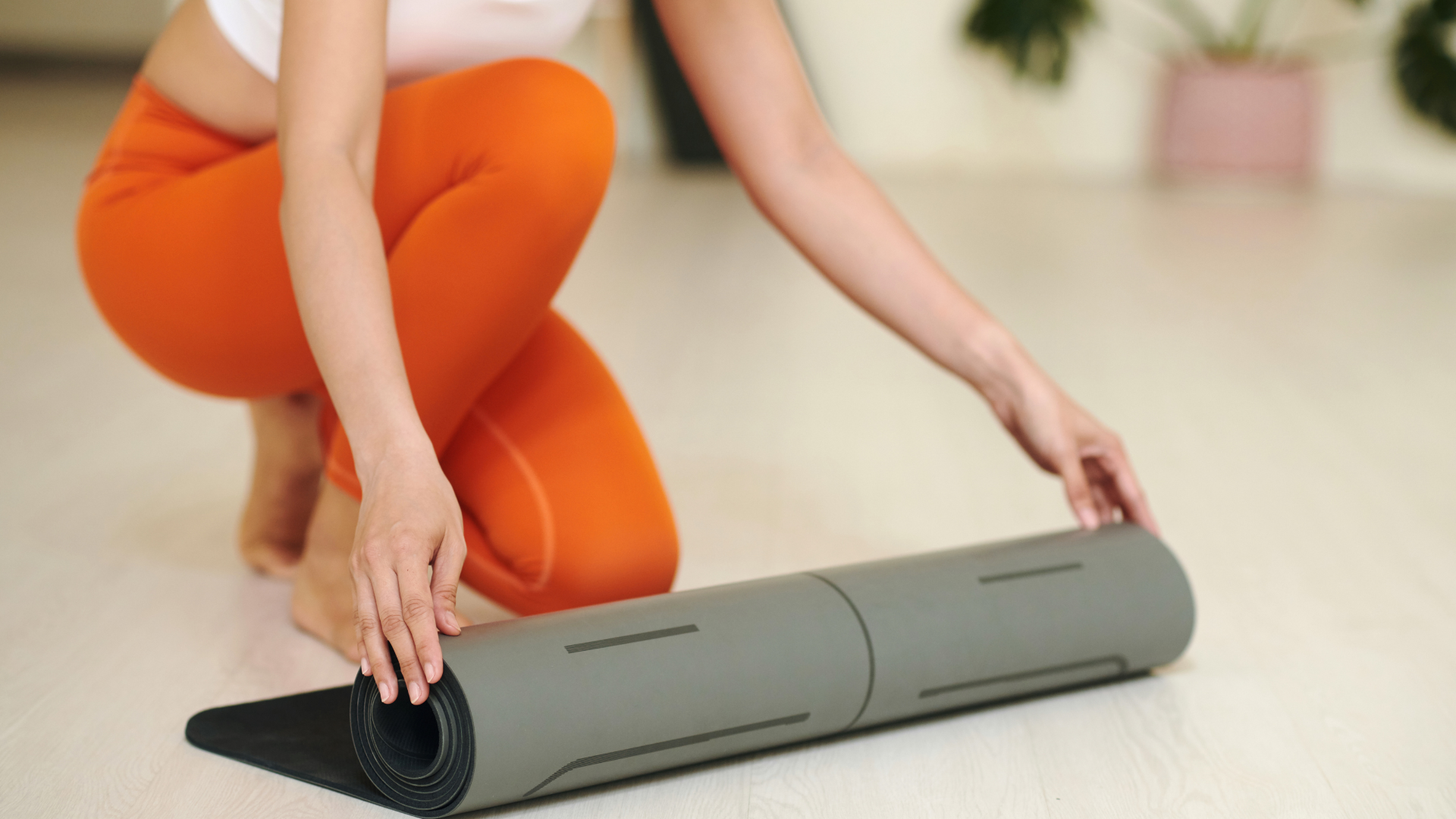
Remote work morning routines are structured actions completed after waking and before core work begins in a home environment. Remote workers face blurred boundaries, delayed starts, and attention fragmentation without a clear morning structure. A simple morning routine stabilizes focus, regulates energy, and separates personal time from work time. This article explains how work-from-home mornings improve productivity, mental clarity, and work-life balance through practical, repeatable behaviors.
What is a Simple Morning Routine for Remote Workers? (H1)

- Simple routines reduce mental friction.
- Structure replaces guesswork.
- Predictable starts to improve focus.
- Clear mornings protect energy.
- Consistency improves output.
What are My Work From Home Routine and Productivity Tips? (H2)
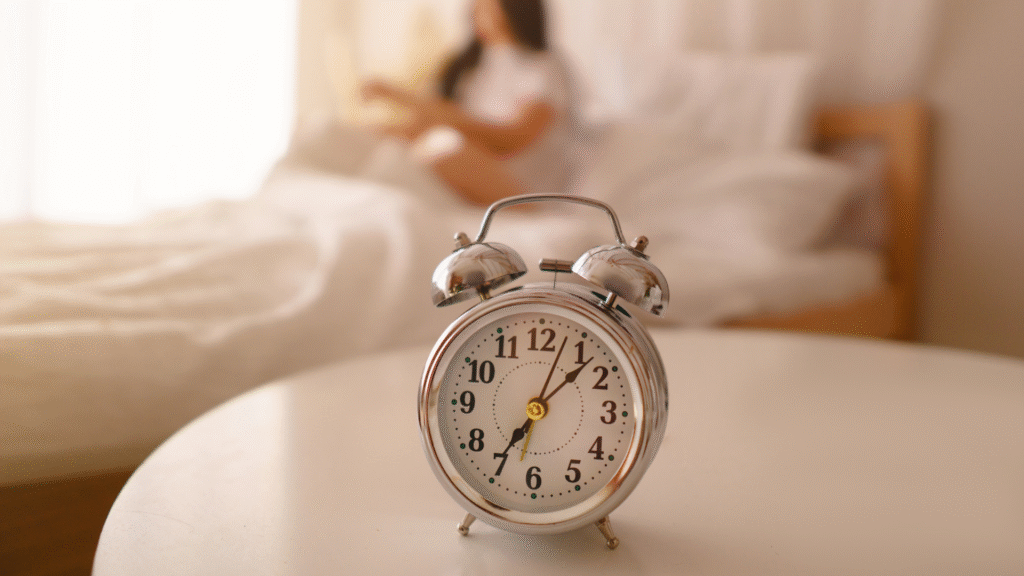
- Fixed wake time stabilizes rhythm.
- Morning planning reduces delays.
- Early focus blocks protect output.
- Limited inputs reduce distraction.
- Clear goals improve execution.
How To Create A Work-From-Home Routine That Works? (H2)
- Routine design fits energy levels.
- Simplicity supports repetition.
- Clear steps reduce resistance.
- Consistency builds automation.
- Review improves alignment.
How to Build a Productive Morning Routine for Remote Work Success? (H2)
- Morning structure defines work mode.
- Early clarity improves decision quality.
- Focus starts before communication.
- Energy peaks get protected.
- Output becomes predictable.
What are Tips for Building the Perfect WFH Routine? (H2)
- Dedicated start time
- Clear task sequence
- Minimal morning inputs
- Physical activation
- Immediate task execution
What are Tips for Parents Juggling Work and Childcare? (H2)
- Flexible routines adapt daily.
- Priority clarity reduces stress.
- Early planning improves coordination.
- Shared schedules reduce conflict.
- Boundaries protect focus.
Why a Routine Matters for Remote Work? (H2)
- Routines separate work from home.
- Structure reduces procrastination.
- Predictability improves focus.
- Habits save mental energy.
- Consistency improves performance.
What is the 5 5 5 30 morning routine? (H2)
- 5 minutes breathing
- 5 minutes movement
- 5 minutes planning
- 30 minutes deep work
- Simple structure
What is the 20/20/20 rule for morning routine? (H2)
- 20 minutes movement
- 20 minutes reflection
- 20 minutes learning
- Balanced activation
- Focus alignment
What is the morning 1 hour rule? (H2)
- The first hour stays distraction-free.
- No notifications allowed.
- Priority work starts early.
- Focus remains internal.
- Momentum builds.
How to set a routine when working from home? (H2)
- Define wake time
- Set work start signal
- Plan tasks daily
- Remove friction points
- Repeat consistently
How to Keep Tasks Practical & Doable? (H2)
- Small tasks reduce resistance.
- Clear scope improves completion.
- One priority limits overload.
- Realistic timing prevents burnout.
- Execution stays steady.
What are Weekly Schedule & Daily To-Do List? (H2)
- Weekly plans set direction.
- Daily lists guide action.
- Priorities reduce distraction.
- Written plans externalize thinking.
- Review improves accuracy.
What are The Benefits of a Work-from-Home Routine (H2)
- Focus stability
- Reduced stress
- Clear boundaries
- Improved consistency
- Better output
What are Build a Productive Morning Routine for Remote Work Success (H2)
- Clear wake ritual
- Early task planning
- Physical activation
- Distraction control
- Immediate execution
Why is waking up early and consistently important? (H2)
- Consistent waking stabilizes rhythm.
- Energy becomes predictable.
- Focus improves naturally.
- Sleep quality aligns.
- Discipline strengthens.
How can you implement Morning Routine? (H2)
- Start small
- Keep steps simple
- Repeat daily
- Adjust gradually
- Protect consistency
What is Engage in Physical Activity? (H2)
- Movement activates circulation.
- Physical activity improves alertness.
- Energy increases naturally.
- Mood stabilizes.
- Focus improves.
What are Practice Mindfulness or Meditation? (H2)
- Mindfulness reduces mental noise.
- Breathing improves regulation.
- Awareness improves control.
- Calm supports focus.
- Presence improves planning.
What is a Nourishing Breakfast? (H2)
- Balanced meals stabilize energy.
- Protein supports focus.
- Regular timing improves rhythm.
- Hunger disrupts attention.
- Nutrition supports cognition.
How to Plan and Prioritize Your Day (H2)
- Choose one priority
- List supporting tasks
- Order by importance
- Limit task count
- Execute sequentially
What are Dress for Success (Even at Home)? (H2)
- Clothing cues signal work mode.
- Preparation improves mindset.
- Boundaries feel real.
- Confidence improves posture.
- Focus sharpens.
What are Work-Life Balance Tips? (H2)
- Clear start times
- Defined end times
- Break scheduling
- Boundary enforcement
- Routine consistency
What are Remote Work Transforms Productivity and Work-Life Balance? (H2)
- Remote work removes commute strain.
- Flexibility improves autonomy.
- Structure prevents overwork.
- Balance improves sustainability.
- Output improves with routine.
What is Navigating Mental Health in Corporate Jobs? (H2)
- Mental clarity supports performance.
- Structure reduces anxiety.
- Predictability improves stability.
- Boundaries reduce overload.
- Routine supports resilience.
What is a work from home schedule? (H2)
- Fixed start time
- Focus blocks
- Planned breaks
- Clear end time
- Consistent rhythm
How long does it take to build a routine? (H2)
- Two to four weeks average.
- Consistency matters most.
- Simplicity speeds adoption.
- Small habits stick.
- Review improves fit.
What is a morning routine for productivity? (H2)
- Early focus
- Task prioritization
- Physical activation
- Distraction control
- Immediate action
What is national work at home day? (H2)
- National Work at Home Day highlights flexibility.
- Awareness supports remote work norms.
- Structure improves outcomes.
- Routine remains essential.
- Productivity depends on habits.
What is work from home on your own time? (H2)
- Flexible hours require discipline.
- Self-management becomes critical.
- Routines replace supervision.
- Planning prevents drift.
- Output depends on structure.
What is Forbes working from home? (H2)
- Forbes discusses remote trends.
- Productivity links to routines.
- Focus depends on structure.
- Balance requires boundaries.
- Habits drive success.
What are strategies for working from home? (H2)
- Routine design
- Distraction management
- Time blocking
- Boundary setting
- Consistent review
How to make a daily routine for yourself (H2)
- Define goals
- Choose core habits
- Set sequence
- Repeat daily
- Refine gradually