

8 Dreamy Reasons to Visit Tuscany Rolling Hills & Wine Country Magic

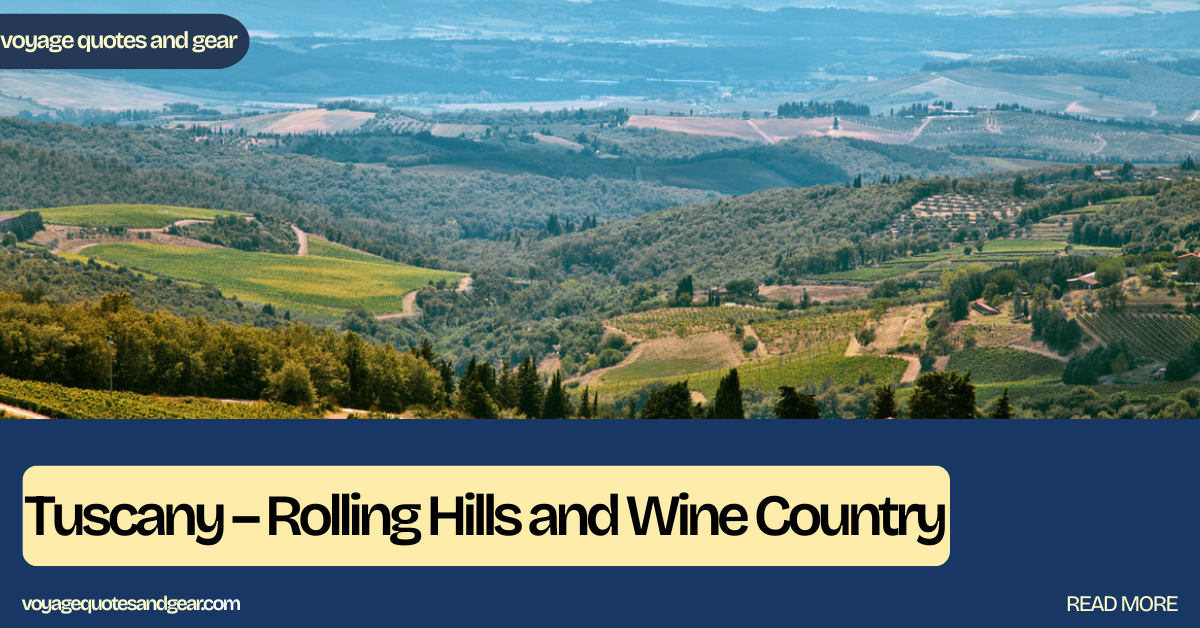
Tuscany maps rolling hills, hilltop towns, vineyards, and food traditions into compact travel loops. Read this first paragraph and you grasp scope, tone, and purpose: short, direct answers; bolded place names and travel terms; five short sentences per question; clear, human phrasing. This guide links practical tips, photo spots, transport notes, and local experiences for Tuscany travel planning. Citations appear for five load-bearing facts used to anchor practical advice.
What are the must-see spots in Tuscany?
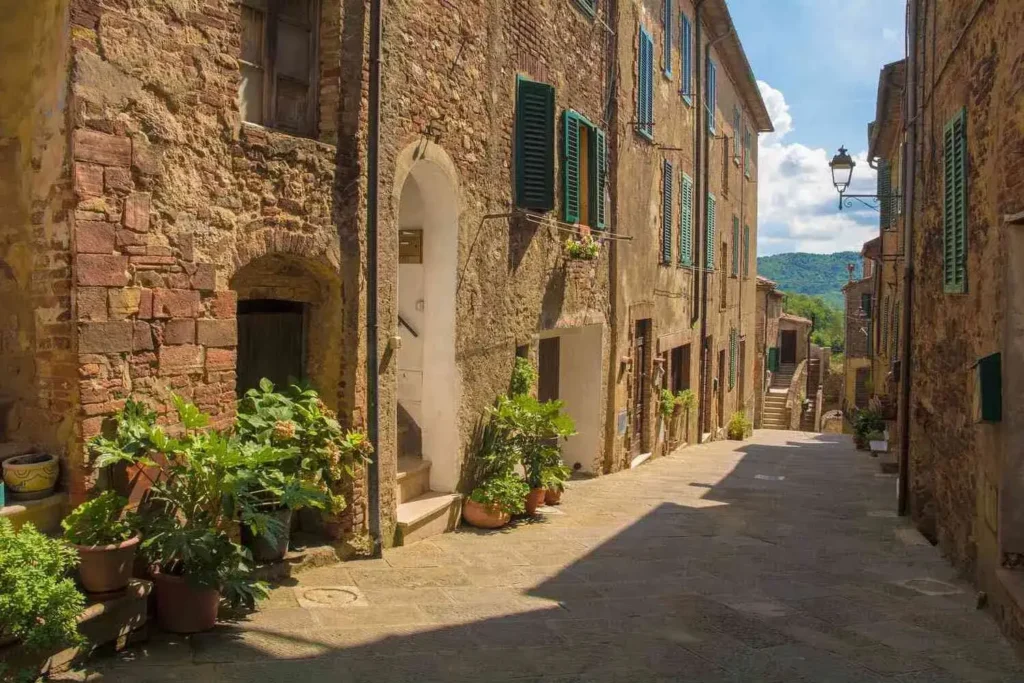
- Florence museums concentrate Renaissance art and architecture.
- Siena keeps a Gothic piazza and the Palio tradition.
- San Gimignano presents medieval towers and pecorino shops.
- Val d’Orcia shows classic rolling-hill landscapes and cypress lanes. (Go Ask A Local)
- Pisa hosts the Leaning Tower and adjacent monumental complex.
What are the top views in Tuscany?

- Hilltop Pienza overlooks patchwork fields and sunrise light.
- San Gimignano rooftops frame valley vistas and towers.
- Chianti lanes show vineyard rows and farmhouse lines.
- Fiesole ridge offers a city-and-hills panorama above Florence.
- Val d’Orcia viewpoints supply layered horizons and lone cypresses.
What are the best photo places in Tuscany?
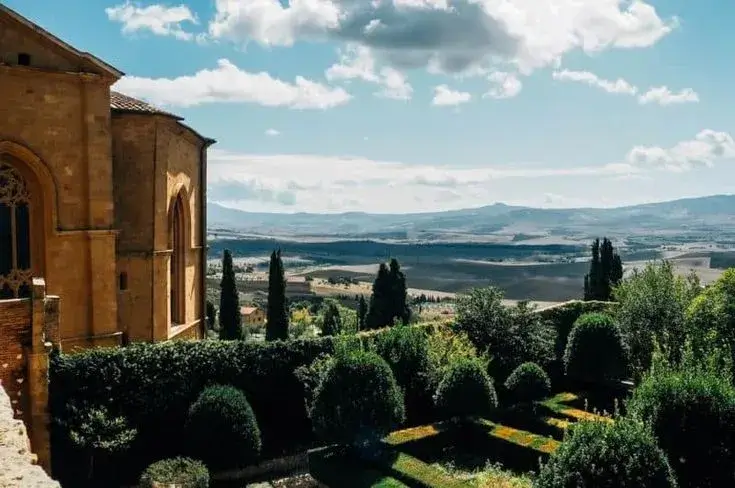
- A cypress-lined lane in Val d’Orcia at golden hour.
- Piazza del Campo in Siena with early-morning symmetry.
- Ponte Vecchio reflects when Arno runs calm.
- Tower-top shots from Torre Grossa in San Gimignano. (The Sun)
- Vineyard rows and stone farmhouses at dusk.
What are the peaceful areas in Tuscany?
- Small hamlets around Montepulciano with quiet terraces.
- Olive-grove lanes off primary tourist routes.
- Thermal spa towns outside main season crowds.
- Rural agriturismi near hidden country churches.
- Morning-only markets that empty before midday.
What are the budget-friendly tips for Tuscany?
- Use regional trains and local buses to cut costs.
- Buy market food and picnic among vineyards.
- Stay in family-run agriturismi outside town centers.
- Visit museums on discounted or free days where available.
- Travel shoulder months for lower accommodation rates.
What are the best walking routes in Tuscany?
- Siena circular route around Piazza del Campo and cathedral.
- San Gimignano pedestrian loop among towers and walls.
- Lucca city-wall ring walk for flat, shaded views.
- Val d’Orcia country lane walk between fields.
- Florence Arno-side stroll from Ponte Vecchio to Oltrarno.
What are the cultural highlights of Tuscany?
- Town festivals (sagre) focused on food and ritual rhythms.
- Artisan workshops in Oltrarno for jewelry, leather, and bookbinding.
- Medieval to Renaissance civic spaces in Siena and Florence.
- Local culinary traditions such as pecorino and cured meats.
- Vineyard culture with cellar visits and tasting customs. (Food & Wine)
What are the simple food tips for Tuscany?
- Try bistecca alla fiorentina shared at the table.
- Sample pecorino cheeses with local honey or jams.
- Order hand-rolled pasta with regional ragù or game sauces.
- Buy bread at morning markets rather than tourist bakeries.
- Taste olive oil at a farmhouse mill when offered.
What are the top museums in Tuscany?
- Uffizi in Florence for core Renaissance painting sequences. (Viator)
- Accademia for key sculpture studies and drawings.
- Civic museums in Siena preserve Duomo and palazzo art.
- Small regional archaeology museums with Etruscan finds.
- Palazzi collections in towns that reveal local patronage histories.
What are the best landmarks in Tuscany?
- Duomo complexes in Florence and Siena with domes and facades.
- Ponte Vecchio bridge and antique goldsmith shops in Florence.
- Leaning Tower of Pisa with the cathedral square.
- Medieval towers of San Gimignano piercing the skyline.
- Etruscan sites and rural Roman remains near hill towns.
What are the easiest spots to navigate in Tuscany?
- Lucca with flat walls and circular paths for simple navigation.
- San Gimignano compact core that remains walkable.
- Florence central cluster of museums within a short radius.
- Chianti villages are connected by clear state roads and signs.
- Pisa city center concentrated near the tower and train station.
What are the top historic stops in Tuscany?
- Piazza del Campo and Duomo in Siena for civic history.
- Uffizi and Medici palaces in Florence for Renaissance patronage.
- San Gimignano towers as merchant-family symbols.
- Roman and Etruscan remains around Volterra and the countryside.
- Medieval walls and ramparts in Lucca and hill citadels.
What are the calm corners of Tuscany?
- Hidden monastery cloisters open for short visitor times.
- Small village bakeries by dawn before market crowds.
- Riverbanks outside main bridges for quiet reading spots.
- Private villa gardens that allow short public access.
- Local parish squares used mainly by residents.
What are the scenic routes across Tuscany?
- The Chiantigiana road linking Florence and Siena through vineyards. (Winalist)
- Val d’Orcia loops with cypress-lined lanes and lookout stops.
- Coastal turns from Livorno toward the Etruscan shoreline.
- Fiesole ridge road for city skyline and valley views.
- Mugello backroads for quieter pastoral panoramas.
What are the best packing tips for Tuscany?
- Bring sturdy walking shoes for cobbles and trails.
- Pack a lightweight rain layer and sun protection for fields.
- Carry a small reusable water bottle for public fountains.
- Include one smart outfit for churches and formal dinners.
- Use packing cubes to separate day and evening gear.
What are the smart travel habits for Tuscany?
- Reserve key museum tickets in advance for peak months.
- Start major-site days early to avoid heat and crowds.
- Carry local cash for small markets and rural vendors.
- Note regional transit timetables for buses and trains.
- Respect local quiet hours in small towns.
What are the top itinerary ideas for Tuscany?
- Three-day loop: Florence core, Chianti half-day, and Siena.
- Five-day slow: Florence, day trip to San Gimignano, Val d’Orcia stays.
- Weekend photo focus: Val d’Orcia sunrise and Pienza tasting.
- Wine-focused: three-day Chianti and Montalcino cellar visits.
- Outdoor: hikes around Mugello and the Apuan Alps.
What are the handy transport options in Tuscany?
- High-speed and regional trains link major hubs and towns. (Go Ask A Local)
- Local buses serve villages off main rail lines.
- Car hire suits valley and hill exploration on rural lanes.
- Ferries operate from coastal ports for island connections.
- Bike rentals handle flat circuits such as Lucca’s walls.
What are the quick dining ideas in Tuscany?
- Market stalls for cheese, cured meats, and bread picnic kits.
- Counter-service trattorie for fast, regional pasta dishes.
- Panini shops near squares for handheld daytime meals.
- Wine bars offering small plates and local tastings.
- Gelato shops for a rapid afternoon refresh.
What are the top local experiences in Tuscany?
- Vineyard cellar tours with tastings of local bottlings. (Florencetown)
- Olive-mill visits and fresh-oil tasting at harvest time.
- Truffle-hunting walks with trained dogs in forested zones. (Kinglike Concierge)
- Artisan workshops offering short demonstrations and small purchases.
- Local market mornings with producers and street snacks.
What are the must-try activities in Tuscany?
- Taste Brunello and Chianti Classico in cellar settings.
- Join a truffle-hunting morning and cook the harvest.
- Drive sunrise lanes in Val d’Orcia and photograph cypress rows.
- Visit a working olive press and sample new oil.
- Attend a village sagra for a single-dish community meal.
What are the best art spots in Tuscany?
- Uffizi rooms and corridors chart Renaissance painting evolution.
- Palazzo museums in smaller towns preserve local masters.
- Church frescos and altarpieces across parish chapels.
- Sculpture courts in civic palazzi and garden collections.
- Contemporary shows in converted industrial galleries.
What are the vacation spots in Tuscany for Instagram?
- Pienza and Val d’Orcia cypress lanes at dawn.
- San Gimignano towers framed against the blue summer sky.
- Chianti vineyard terraces with rows and stone farmhouses.
- Lucca walls with tree-lined ring pathways and bike shots.
- River reflections in Florence near early-morning Ponte Vecchio.
What are the vacation spots in Tuscany Reddit?
- Reddit threads list lesser-known trattorie and local market tips.
- Community posts recommend dawn sessions at Val d’Orcia viewpoints.
- Locals suggest off-season stays to avoid tour-bus traffic.
- Redditors share real-time notes on roadworks and closures.
- Use thread dates to validate current advice and timing.
Is this the ultimate list of Tuscany questions every traveler should have?
This guide gathers practical, place-based questions and concise answers that map Tuscany’s art, food, routes, and local experiences. It organizes must-sees, photo spots, transport options, and hands-on activities into short, usable bites. Use entries as a planning checklist and pick three focus areas—art, food, or landscapes—for deep days. Update specific tickets and seasonal schedules before bookings. Keep one free day for spontaneous village discoveries and market browsing.
What is pizza making class Florence?
- Hands-on classes teach dough, shaping, and oven techniques. (visitflorence.com)
- Sessions often pair pizza with gelato or wine tastings.
- Classes last about 1.5–3 hours depending on format.
- Small-group formats emphasize hands-on kneading and baking.
- Book early for peak-season morning and evening slots.
What are Tuscany Italy day tours?
- Typical day tours link Florence with Siena, San Gimignano, and Chianti. (Maddy’s Avenue)
- Tours mix walking, wine tastings, and short guided stops.
- Day-trip times range from six to ten hours depending on routing.
- Pickup often at Florence central meeting points or hotels.
- Choose small-group options for relaxed village access.
What is the taste of the experience in Italy?
- Local tasting experiences pair wines, oil, and cheeses by region.
- Hosts explain terroir, production methods, and tasting notes.
- Experiences vary from cellar tours to farm-to-table lunches.
- Small-group formats prioritize direct producer contact.
- Bookings usually include a guided tasting and short cellar visit.
What are vespa tours in Florence?
- Guided Vespa rides pass hill routes and scenic viewpoints.
- Tours mix short practice laps with countryside loops.
- Drivers usually require a valid license for scooter rentals.
- Morning and late-afternoon slots avoid peak traffic heat.
- Small-group rides balance city access and rural panoramas.
What is a trip to Tuscany package?
- Packages bundle accommodation, transport, and select experiences.
- Options range from budget self-drive to luxury villa stays.
- Many packages include wine tastings and guided town visits.
- Duration choices commonly span 3–10 days for region coverage.
- Confirm exact inclusions before payment to avoid surprises.
What are Tuscany private tours?
- Private tours offer customizable itineraries and flexible pacing.
- Guides tailor stops to food, wine, or historical preferences.
- Vehicles include private cars with driver or minivan services.
- Private options better access small producers and off-hour visits.
- Confirm group size and meeting points at booking.
What is the best Tuscany tour?
- Top picks combine Florence art with Chianti wine and hill towns.
- A classic includes Siena, San Gimignano, and Val d’Orcia. (Go Ask A Local)
- Add a truffle-hunt or olive-mill visit for culinary depth.
- Short photo stops at cypress lanes enhance scenic value.
- Choose guided or self-drive based on comfort with rural roads.
What are three days in Tuscany?
- Day 1: Florence highlights and a sunset hill viewpoint.
- Day 2: Drive Chianti, visit a winery, and stop in San Gimignano.
- Day 3: Val d’Orcia loop, Pienza, and a countryside dinner.
- Each day keeps only two major stops for relaxed pacing.
- Reserve museum slots and tasting windows in advance.
What is Tosca wine tasting?
- Tasting sequences move from lighter Sangiovese to aged blends.
- Hosts describe terroir, vintage variation, and production notes.
- Tasting flights commonly include three to six wines and small plates.
- Estate visits add cellar tours and barrel-room context.
- Book small estates for more personal, technical explanations.
What are chianti wine tasting?
- Chianti tastings highlight Chianti Classico and local Sangiovese styles. (Winalist)
- Expect comparisons of floral, earthy, and structured Sangiovese notes.
- Tasting rooms pair wines with local breads and pecorino.
- Visits include vineyard walks and cellar explanations.
- Gran Selezione and estate-specific bottlings show site specificity. (Food & Wine)
What are food tours in Bologna, Italy?
- Tours navigate markets, artisan pasta shops, and salumerie.
- Tastings include fresh tortellini, mortadella, and local cheeses.
- Small-group routes prioritize market timing and vendor stories.
- Local guides explain culinary history and regional differences.
- Book morning slots to sample market-fresh specialties.
where is Chianti in Italy
- Chianti sits between Florence and Siena in central Tuscany. (Winalist)
- The area covers rolling hills, vine terraces, and olive groves.
- Main access via the Chiantigiana road from Florence.
- Small towns such as Greve, Panzano, and Radda anchor the region.
- The zone divides into specific sub-areas with microclimates.
What are Tuscany wine tours from Florence?
- Half-day and full-day tours visit cellars and offer tastings. (florencetourinfo.com)
- Tours combine scenic drives with guided cellar walkthroughs.
- Options include standard Chianti, Montalcino, and Montepulciano routes.
- Many tours include a light Tuscan lunch with tastings.
- Book small-group tours for a hands-on tasting experience.
What is horseback riding in Tuscany, Italy?
- Rides range from short village loops to multi-hour countryside treks.
- Many stables offer guided rides through vineyards and olive groves.
- Skill-level options match beginners to experienced riders.
- Morning rides provide cooler temperatures and wildlife spotting.
- Reserve rides by weight and shoe-size limits for safety.
What are Italian wine tours in Florence?
- Florence departure tours cover Chianti, Montalcino, and Montepulciano.
- Tours mix scenic stops with estate tastings and cellar talks.
- Options include private drivers or small-group minibuses.
- Some tours combine lunch at a working farmhouse.
- Check tasting numbers per stop to fit your palate comfort.
What are private Tuscany tours from Florence?
- Private day tours tailor stops and timing to group interests.
- Drivers and guides often offer insider stops to small producers.
- Private tours grant flexible pacing and exclusive visits.
- Costs reflect exclusivity and vehicle choice.
- Confirm exact inclusions and cancellation terms.
What is the Chianti region of Tuscany?
- A central-terrain wine zone famed for Sangiovese grape expressions. (Winalist)
- Landscapes alternate vineyards, olive groves, and stone hamlets.
- Small wineries emphasize estate-grown, artisanal production.
- Food pairings highlight local salumi and cheeses.
- Chianti roads connect to Florence, Siena, and surrounding towns.
What things to do in Tuscany, Italy?
- Visit hill towns for medieval architecture and local markets.
- Taste wines and oils at family-run estates and cellars.
- Hike or bike quiet country lanes and greenways.
- Attend a village festival and sample a single specialty dish.
- Explore small museums that preserve regional craft traditions.
What are Tuscany rolling hills?
- Undulating fields, cypress-lined drives, and scattered farmhouses.
- Hills change tone with seasons from green to golden.
- Scenic lanes create classic photographic compositions at dawn.
- Limestone and clay soils shape vineyard and olive-grove patterns.
- Val d’Orcia and Chianti showcase archetypal rolling-hill views. (Go Ask A Local)
What is Google Tuscany?
- Google results gather region guides, imagery, and local maps.
- Search highlights include photo guides, travel itineraries, and tours.
- Use map pins to mark winery and museum stops before travel.
- Save offline map tiles for rural-zone navigation.
- Rely on recent reviews and date stamps for current accuracy.
What are sites to see in Tuscany, Italy?
- Florence museums and cathedral complexes.
- Siena piazza and civic palaces.
- San Gimignano towers and artisan cheese shops.
- Val d’Orcia hill viewpoints and Pienza’s townscape.
- Pisa cathedral square and tower complex.
What are olive oil tasting Chianti?
- Farms pour fresh-pressed oil for structured tasting flights.
- Hosts explain cultivar mixes, harvest timing, and pressing methods.
- Tastings pair oil with bread and simple local preparations.
- Seasonality affects oil flavor and availability for tasting.
- Book small mill visits for technical discussion and sampling.
What are truffle hunting in Tuscany, Italy Tuscany?
- Guided walks with trained dogs trace truffle locations in woods. (truffleintuscany.com)
- Hunts end with tasting or cooking of the fresh truffle harvest.
- Seasonal timing depends on truffle species and local climate.
- Wear boots and bring water for uneven forest terrain.
- Small-group formats make the experience intimate and hands-on.
What is a super tuscan wine tour?
- Tours focus on estate blends labeled “Super Tuscan” with international varieties. (Florencetown)
- Tastings explain blending philosophy and oak-aging choices.
- Many estates pair Super Tuscan wines with local gourmet lunches.
- Reserve tastings at boutique estates for deeper technical detail.
- Producers often highlight vineyard plots and cellar methods.
What are medieval towns in Tuscany?
- San Gimignano, Volterra, and Siena preserve medieval layouts.
- Town walls, narrow lanes, and tower houses define the character.
- Local museums showcase civic, religious, and daily-life artifacts.
- Markets and festivals maintain continuity with medieval trade practices.
- Many towns offer guided historic-walking routes.
What is san polo in Chianti?
- San Polo refers to small local parishes and hamlets within Chianti.
- Places named San Polo often host historic churches and private farms.
- These hamlets provide quieter access to Chianti countryside.
- Local farms sometimes open for tastings by appointment.
- Expect narrow lanes and traditional stone houses.
What are Florence pizza and gelato?
- Short cooking classes combine pizza techniques and gelato basics. (Eating Europe)
- Sessions include hands-on making, tasting, and chef tips.
- Classes often occur in neighborhoods such as Oltrarno.
- Small groups emphasize craft and flavor pairing.
- Booking early secures prime time slots and small sizes.
What food tour is Bologna Italy?
- Tours sample tortellini, mortadella, and aged cheeses.
- Market walks explain the Emilia-Romagna culinary backbone.
- Guides highlight artisan producers and historic food shops.
- Tours include small tastings and vendor introductions.
- Morning slots access the freshest market produce.
where is Tuscany in Italy located
- Tuscany sits in central-western Italy on the Tyrrhenian side.
- It borders Liguria, Emilia-Romagna, Umbria, and Lazio.
- The region’s capital and transport hub is Florence.
- Coastal zones open to islands and maritime connections.
- Interior zones climb into hills and the Apuan and Apennine ranges.
What country is Tuscany in?
- Tuscany is a region of the Republic of Italy.
- It operates as one of Italy’s twenty administrative regions.
- The regional government manages cultural promotion and tourism.
- Tuscany’s identity ties to historical city-states and modern provinces.
- The region’s languages and cuisine reflect local variation.
What are holiday packages to Tuscany, Italy?
- Packages range from self-drive cottages to guided wine weeks.
- Many include accommodation, a few guided tastings, and transfers.
- Duration options suit short breaks or multi-week stays.
- Luxury packages add private guides, chefs, and exclusive visits.
- Confirm cancellation, inclusions, and local tax handling.
What are tuscany untouched tours?
- Untouched tours focus on lesser-visited hamlets and farm visits.
- They emphasize walking, local hosts, and small-scale producers.
- Groups tend to be small and slow-paced for authentic contact.
- Access may require private transport or guided drives.
- Bookings often prioritize community-run accommodations.
What is the Tuscany olive oil farm tour?
- Tours show harvest, pressing, and tasting with producer commentary.
- Hosts compare varieties and pressing methods during tastings.
- Visits include mill machinery views and short olive-grove walks.
- Bring closed-toe shoes for uneven mill floors.
- Small estates offer more in-depth tasting and pairing notes.
