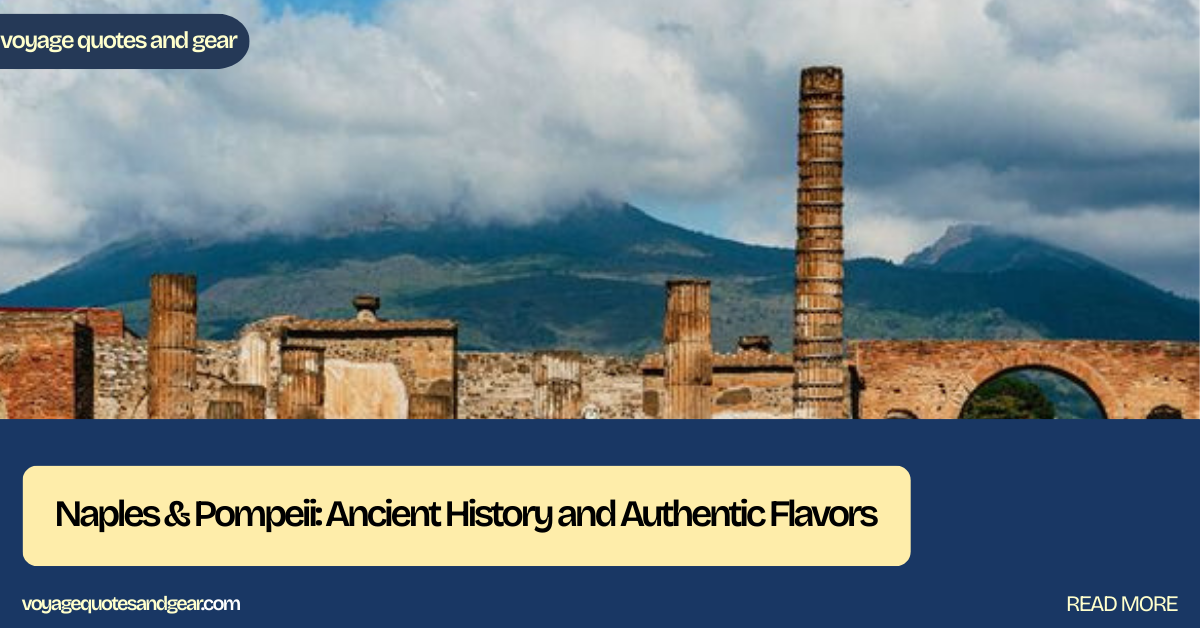
10 Reasons to Visit Naples & Pompeii 🇮🇹 Ancient History Meets Authentic Italian Flavors
Naples & Pompeii: Ancient History and Authentic Flavors route pairs the layered urban drama of Naples with the frozen moments of Pompeii and a food scene tied to millennia of tradition. This piece lists sites, quick stops, scenic viewpoints, food neighborhoods, practical day-trip notes, and short factual answers so a reader can grasp the itinerary and cultural highlights in one scan.
This article covers: top Pompeii ruins, landmark Naples spots, food-focused areas, scenic outlooks, easy stops, budget picks, day trips, hidden gems, and concise factual answers about size, origins, and population.
What are the Naples & Pompeii Ancient History and Authentic Flavors spots?
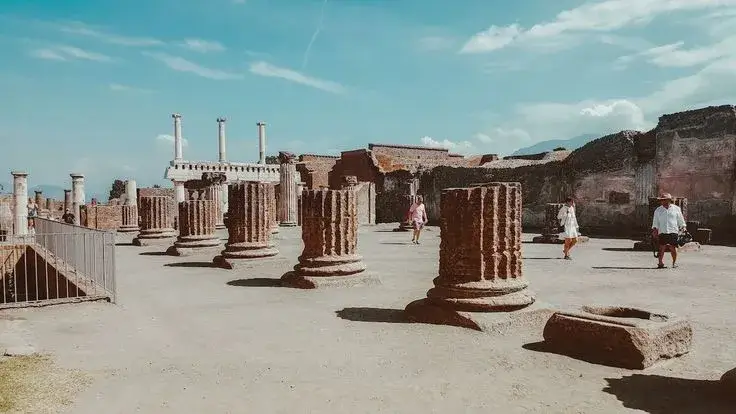
- Pompeii Archaeological Park preserves streets, houses, and frescoes.
- Mount Vesuvius frames views and explains the AD 79 eruption.
- Naples Historic Center hosts churches, markets, and street food.
- Spaccanapoli slices the city with bakeries and pizzerias.
- Seafront Castel dell’Ovo offers sunset views and seafood.
What are the top Ancient History and Authentic Flavors sites there?
- The Forum of Pompeii holds civic and religious ruins.
- Villa of the Mysteries shows vivid ritual frescoes.
- House of the Vettii displays elite domestic life and art.
- Naples’ San Gregorio Armeno features artisan nativity workshops.
- Galleria Umberto I mixes architecture with cafés and pastries.
What are the must-see Ancient History and Authentic Flavors places?
- Pompeii Amphitheatre for Roman spectacles.
- Thermopolium of Asellina for ancient fast food context.
- Piazza del Plebiscito in Naples for grand civic scale.
- Pizzeria da Matteo or similar for classic Neapolitan pizza lines.
- Museo Archeologico Nazionale (Naples) for Pompeian is close to the city.
What are the easy Ancient History and Authentic Flavors stops?
- Walk Spaccanapoli for quick sweets and espresso.
- Stroll the Pompeii Forum circuit for major highlights.
- Visit a single major house (e.g., House of the Vettii) to save time.
- Buy street sfogliatella and eat near Via dei Tribunali.
- Take a seaside pause at Lungomare for pizza al taglio.
What are the budget Ancient History and Authentic Flavors picks?
- Self-guided walk through Pompeii’s open ruins with a basic ticket.
- Street pizza slices and market snacks in Naples for cheap, authentic flavors.
- Free viewpoints on Naples’ seaside promenades.
- Pack water and a sandwich to avoid tourist markup near major gates.
- Use regional trains for low-cost transfers between Naples and Pompeii.
What are the food-focused Ancient History and Authentic Flavors areas?
- Via dei Tribunali and Spaccanapoli for pizza, sfogliata, and street bites.
- Pignasecca Market for fresh produce and fried snacks.
- Pompeii’s local eateries near the excavations for Campanian dishes.
- Quartieri Spagnoli for tiny osterie and pasta stands.
- Waterfront seafood stalls along Molo Beverello and Lungomare.
What are the scenic Ancient History and Authentic Flavors views?
- Via Caracciolo / Lungomare for Bay of Naples panoramas.
- Posillipo Hill overlooks the gulf and Vesuvius.
- From the Pompeii terrace look back toward Mount Vesuvius.
- Sunset at Castel dell’Ovo for silhouette photos.
- Sorrento cliffs (day trips) for coastal panoramas of Capri.
What are the iconic Ancient History and Authentic Flavors sites?
- House of the Faun for grand mosaics.
- Villa of the Mysteries for ritual imagery.
- Pompeii Forum as the public heart of the ancient town.
- Naples Cathedral (Duomo) for art and relics.
- Teatro Grande and small Roman theatres around the bay.
What are the unique Ancient History and Authentic Flavors options?
- Night tours of Pompeii for atmospheric lighting and fewer crowds.
- Hands-on pizza workshops in Naples taught by local pizzaioli.
- Micro-wineries near Vesuvius for volcanic-slope tasting.
- Street-food walking tour through alleys and markets.
- Private guided route focused on frescos and food culture.
What are the historic Ancient History and Authentic Flavors landmarks?
- Pompeii’s baths and thermopolia show daily Roman routines.
- Naples’ royal palaces and cloisters chart city power.
- Castel Nuovo (Maschio Angioino) marks medieval Naples.
- Roman roads and preserved shopfronts reveal commerce patterns.
- Harbor anchors and maritime markers recall ancient trade.
What are the culture-rich Ancient History and Authentic Flavors areas?
- Spaccanapoli for artisan workshops and sacred traditions.
- The Sanità district for unique underground catacombs and local eateries.
- Via Toledo for shopping and café culture.
- Piazza Bellini for archaeological remains amid modern life.
- Neighborhood festivals that combine food and faith events.
What are the Ancient History and Authentic Flavors day trips?
- Herculaneum for denser, better-preserved wooden structures.
- Sorrento for coastal charm and lemon-product tasting.
- Amalfi Coast highlights (longer day).
- Mount Vesuvius summit trail to peer into the crater.
- Island hop to Capri for a change of scene.
What are the romantic Ancient History and Authentic Flavors spots?
- Sunset at Posillipo with Gulf views and quiet benches.
- Candlelit dinner in a Naples trattoria off the tourist trail.
- A private walk through the Pompeii gardens at golden hour.
- Boats around Capri for secluded coves.
- Seafront aperitivo a Mergellina o Via Partenope.
What are the outdoor Ancient History and Authentic Flavors places?
- Pompeii’s open streets and house courtyards for fresh-air exploration.
- Villa Comunale and seaside promenades for relaxed picnics.
- Vesuvius trails for volcanic geology and view corridors.
- Coastal walking paths between towns for sea breezes.
- Public markets for outdoor grazing on local flavors.
What are the family-friendly Ancient History and Authentic Flavors stops?
- The Amphitheatre of Pompeii for kids to imagine ancient shows.
- Interactive archaeology museums and children’s trails.
- Pizza-making classes suitable for older children.
- Seaside playgrounds and easy green spaces in Naples.
- Short guided tours that simplify big ruins into stories.
What are the hidden Ancient History and Authentic Flavors gems?
- Lesser-visited houses in Pompeii with intact fresco fragments.
- Small family bakeries inside streets of Naples that bake by dawn.
- Tiny, tucked-away trattorie where locals dine.
- Neighborhood ateliers selling handcrafted nativity figures.
- Quiet terraces overlooking ruins, off primary routes.
What are the classic Ancient History and Authentic Flavors picks?
- Villa of the Mysteries, House of the Faun, and Forum in Pompeii.
- Piazza del Plebiscito, Galleria Umberto I, e Castel dell’Ovo in Naples.
- A classic margherita pizza and sfogliatella pastry as tasting essentials.
- Visit the Museo Archeologico Nazionale for curated artifacts.
- Walk the seafront at dusk for a classic coastal atmosphere. (Pompeii Tickets)
What are the Instagram Ancient History and Authentic Flavors spots?
- Framed views of Vesuvius behind Pompeii ruins.
- Narrow, photogenic alleys in Spaccanapoli with hanging laundry.
- Colorful market stalls and pastry close-ups.
- Sunset silhouettes at Castel dell’Ovo.
- Mosaic details in House of the Faun for texture shots.
What are the tours from Naples to Pompeii and Sorrento ?
- Regional Circumvesuviana train links Naples–Pompeii–Sorrento for independent travel.
- Guided small-group day tours combine Pompeii with a Sorrentine lunch.
- Private drivers save transfer time for families and photographers.
- Ferry + coach combos run seasonally for coastal views.
- Check ticket types for skip-line options at the Pompeii Archaeological Park. (Tripadvisor)
What is the ancient city Pompeii?
- Pompeii is a Roman city frozen by the AD 79 Vesuvius eruption.
- Streets, shops, public baths, and homes remain visible.
- Two-thirds of the city has been excavated and conserved unevenly.
- The site offers vivid domestic and civic urban evidence.
- Ongoing excavations keep adding detail to daily Roman life. (Wikipedia)
What is the ancient Roman city near Naples?
- Herculaneum retains wooden architecture and household items.
- Stabiae and Oplontis host luxurious villas and frescoes.
- Coastal towns around the Bay of Naples form a dense archaeological zone.
- Each site shows different preservation styles—from ash to pyroclastic flow.
- Combine visits to compare urban and villa life. (Encyclopedia Britannica)
What was Pompeii originally Greek?
- Settlement at Pompeii dates to the 8th–6th century BC with Oscan roots.
- Greek influence arrived in Campania from the 8th century BC through trade and colonization.
- Greek cults and architectural forms appear in early remains.
- Pompeii later passed through Samnite and Roman phases before becoming Romanized.
- The city’s layered origins explain its mixed material culture. (Wikipedia)
Why was the city of Pompeii popular among Romans?
- Strategic coastal location aided trade and naval access.
- Fertile volcanic soils supported prosperous agriculture.
- Urban amenities—baths, theatres, and markets—attracted residents and visitors.
- Villas around Pompeii served as elite retreats near Naples.
- Proximity to the sea and road networks made it a lively regional centre. (Wikipedia)
What are Athena blood twins nudity?
- That exact phrase returns no clear scholarly match.
- Excavations in Pompeii revealed frescoes of Greek myths such as Phrixus and Helle (twin siblings).
- Classical myth scenes in Pompeii sometimes include partial nudity consistent with Greco-Roman art.
- If you mean a specific fresco or motif, the House of Leda finds (Phrixus and Helle) are a close match.
- Provide a phrase correction or image and I will match the precise artifact and context. (Smithsonian Magazine)
How big was Pompeii?
- The ancient town covered about 64 hectares (≈158 acres) before AD 79.
- Archaeologists estimate a population around 20,000 at the time of the eruption.
- The city’s street grid and compact blocks fit that urban footprint.
- Excavation continues beyond the exposed areas.
- Size made Pompeii a major Campanian centre in Roman times. (pompeionline.net)
What is ancient Pompeii?
- See the major structural and domestic remains: forum, theatres, baths, houses, and markets.
- Frescoes and mosaics preserve private and public decoration.
- Carbonized and plaster casts record human and animal moments of the eruption.
- The city functions as an open-air textbook on Roman urban life.
- Conservation is an ongoing, international effort. (Wikipedia)
What are the major cities of Rome?
- The Roman world had many major cities; in Italy key ones include Rome, Naples (Neapolis), Capua, Pompeii, and Herculaneum.
- Regional capitals linked commerce, politics, and military logistics.
- Naples gained prominence under Greek then Roman influence.
- Port cities drove trade across the Mediterranean.
- Each city specialized in agriculture, craft, or maritime roles. (Wikipedia)
What are the old Italian city? (asked twice)
- Ancient Italian towns include Pompeii, Herculaneum, Paestum, Cumae, and Ostia.
- Many began as Greek, Etruscan, or Oscan settlements.
- Layers of occupation show cultural mixing over centuries.
- Archaeological sites offer diverse preservation types.
- Regional variety defines Italy’s ancient urban map.
What is Pompei (Metropolitan City of Naples), Italy?
- Pompei is the modern municipality that administers the archaeological zone.
- It sits within the Metropolitan City of Naples in Campania.
- Modern Pompei blends tourism infrastructure with local neighborhoods.
- The archaeological park forms a major local employer and visitor magnet.
- Local governance coordinates excavation, conservation, and visitor services.
What is the population of Pompeii, Italy?
- Modern Pompei (the town) counts tens of thousands of residents (check latest municipal statistics).
- The ancient city’s population at eruption is estimated near 20,000.
- Contemporary population figures shift with census updates.
- Use the Italian statistical office or municipal site for the current number.
- Ancient and modern populations differ in scale and urban form.