
12 Unique Experiences in Italy 🇮🇹 Hidden Gems & Offbeat Spots You’ll Love


This collection lists sharp, offbeat Italy experiences and rare places that change a normal itinerary into an unusual trip. Read the opening paragraph and you grasp the article’s scope: place types, angles for visits, transport notes, and photo ideas.
What are the Unique Experiences / Offbeat spots of Italy travelers should know about?

- Seek tiny museum collections tucked in unlikely palazzi.
- Track seasonal village festivals for local rituals and food.
- Ride heritage trains to reach hamlets without modern roads.
- Explore abandoned monasteries repurposed as artist residencies.
- Use local markets as portals to region-specific crafts and recipes.
What are the standout Unique Experiences / Offbeat gems of Italy?
- Attend a village sagra for a single-dish culinary deep dive.
- Board a vintage rail line for slow scenery and village stops. Reuters
- Follow artisan workshops that open by appointment only.
- Canoe into hidden coastal grottos away from main ports.
- Watch a micro-opera in an out-of-the-way chapel or cellar.
What are the island Unique Experiences / Offbeat places of Italy?
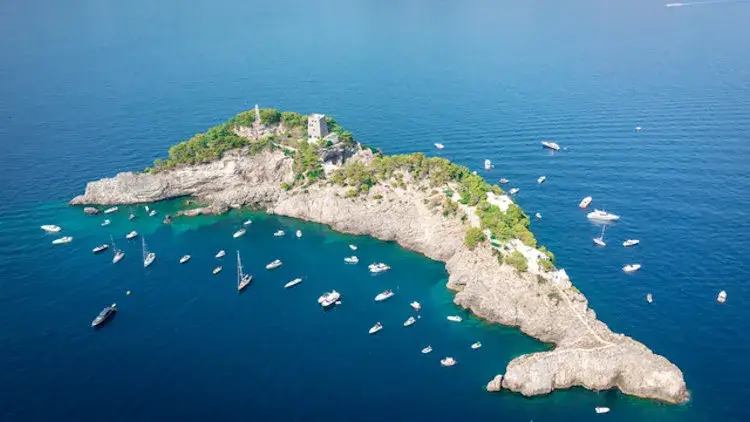
- Sleep in a fisher’s cottage on a tiny Aeolian islet.
- Walk volcanic hot-spring coves at sunset, then bathe.
- Explore abandoned farm terraces on Pantelleria’s backroads.
- Rent a local skipper for secluded cove drop-offs.
- Join a sardine-run meal with a coastal fishing crew.
What are the quiet Unique Experiences / Offbeat hideaways of Italy?
- Retreat to a restored shepherd hut in Abruzzo mountain pastures.
- Dine at a single-table home-restaurant in a hill village.
- Trace lost Roman roads through silent olive groves.
- Find a courtyard garden that only opens by local invitation.
- Book a night in a monastery guestroom for silent hours and bread.
What are the most scenic Unique Experiences / Offbeat Italian routes?
- Drive lane-squeezed coastal passes that end in tiny ports.
- Ride sunrise trains that thread mountain hamlets and valleys.
- Cycle abandoned railbeds turned greenways across vineyards.
- Hike ridge trails where villages perch like stage sets.
- Map a day of lookout points with sunrise, noon, sunset stops.
What are the easiest Unique Experiences / Offbeat Italian trips for visitors?
- Take a half-day boat to a quiet island with one cafe.
- Join a small-group food walk guided by a local cook.
- Ride a short vintage train route that starts in a major hub.
- Rent a bike to circle a tiny walled town in a single loop.
- Visit an artisan cooperative that offers short workshops.
What are the most peaceful Unique Experiences / Offbeat villages of Italy?
- Stay in a stone village with no cars and just bell chimes.
- Explore plate-strewn lanes where locals hand-make bread.
- Watch dusk from a lone church terrace overlooking olive trees.
- Find a riverside bench by cottages that never see tour buses.
- Walk sunrise streets before bakeries open and crowds form.
What are the budget-friendly Unique Experiences / Offbeat corners of Italy?
- Shop farmers’ tables in regional markets for cheap feasts.
- Hitch short local ferries instead of private charters between islets.
- Camp or bunk in community-run agritourism for low-cost stays.
- Join free neighborhood concerts rather than ticketed shows.
- Use regional buses to reach hamlets that lack trains.
What are the nature-based Unique Experiences / Offbeat trails of Italy?
- Trace ancient pastoral routes across limestone plateaus.
- Hike canyon trails that end at secret mountain springs.
- Walk coastal herb trails where wild fennel perfumes the air.
- Search for night-blooming orchids with a local naturalist.
- Night kayak under cliff stars to see bioluminescent bays.
What are the historic Unique Experiences / Offbeat sites of Italy?
- Enter forgotten frescoed chapels hidden in town basements.
- Descend to private Roman cellars used for storage centuries.
- Explore derelict watchtowers turned into tiny museums.
- Visit a small-town archive for a one-page local chronicle.
- Walk a medieval bridge with original masons’ marks in the stone.
What are the outdoor Unique Experiences / Offbeat adventures of Italy?
- Rock-climb low, sea-facing crags followed by a fish lunch.
- Join shepherds moving flocks along summer mountain pastures.
- Kayak through sea-arch networks before dawn traffic.
- Sleep in a mountain bivouac above a tiny alpine village.
- Trail-run volcanic foothills on cooling lava fields.
What are the food-focused Unique Experiences / Offbeat spots of Italy?
- Join a private truffle hunt and tasting with local dogs.
- Learn pasta-making in a grandmother’s kitchen by the hour.
- Tour micro-wineries that sell directly from cellar doors.
- Sample cheese still turned by hand in hillside dairies.
- Attend a midnight olive harvest and early-press tasting.
What are the culture-heavy Unique Experiences / Offbeat Italian towns?
- Watch a puppet theater preserved by a single family troupe.
- Visit a town maintaining a unique dialect and street ball game.
- Spend an afternoon with artisans weaving traditional festival banners.
- Observe centuries-old bread rituals in a closed bakery.
- Join a community feast where only locals receive invitations.
What are the top-rated Unique Experiences / Offbeat finds of Italy?
- Book heritage-train scenic seats for slow country viewing.
- Reserve limited-entry artisan tours listed in local guides.
- Seek micro-museums rated by specialist collectors.
- Follow curated farm-to-table day programs run by cooperatives.
- Track seasonal nature events listed by regional parks.
What are the quirky Unique Experiences / Offbeat activities in Italy?
- Compete in a town’s sock-throwing festival down a narrow street.
- Decorate and ride a homemade cart in a village race.
- Visit a cemetery with tiled whimsical memorials and stories.
- Try a historic public washing fountain where locals meet.
- Join a late-night olive-oil tasting by lamplight.
What are the artistic Unique Experiences / Offbeat districts of Italy?
- Walk precincts where murals replace billboards and ads.
- Visit ruined factories turned into artist residencies and studios.
- Enter alley galleries that host ten-minute micro-exhibitions.
- Join studio nights where artists open private workspaces.
- Attend fringe festivals that use churches as performance spaces.
What are the romantic Unique Experiences / Offbeat escapes of Italy?
- Rent a tiny stone cottage with a private terrace and view.
- Sail to a private cove and picnic on black rock at dusk.
- Book a two-person cooking lesson with candlelight dessert.
- Stroll a moonlit aqueduct path away from town lights.
- Find a secluded vineyard bench for a sunset tasting.
What are the Instagram-ready Unique Experiences / Offbeat places of Italy?
- Hunt alleys with painted shutters and mismatched tiles.
- Frame doorways with hanging laundry and morning light.
- Capture fog lifting off lone hilltop chapels at dawn.
- Shoot reflections in a quiet canal before boats start.
- Post texture studies: rusted signs, peeling frescoes, hand-carved steps.
What are the hidden gems of Italy?
- A cliff village that appears only on regional maps.
- A tiny museum with one carved panel of unmatched quality.
- A long-forgotten lookout reached via vineyard tracks.
- A tidal cove accessed by a single low-tide path.
- A lane of ceramic shops selling region-specific motifs.
What are the unusual places to visit in Italy??
- A salt pan with rose-tinted flats and birdlife at dusk.
- A subterranean village preserved under newer streets.
- A mountain hamlet built on volcanic pumice terraces.
- An abandoned thermal complex reborn as an art site.
- An inland lagoon whose tides feed rare reed islands.
What are the artifacts from Italy?
- Small votive objects found in regional religious collections.
- Local artisan tools illustrating centuries of craft practice.
- Fragments of Roman mosaics preserved in village museums.
- Ceramics signed by single-family workshops across generations.
- Handwritten commune records that date civic traditions.
What is the Italian church?
- Tiny rural chapels with unique fresco cycles and donor names.
- Urban baroque churches with private altar chapels open by request.
- Monastic churches with cloister gardens and simple stone benches.
- Hilltop pilgrimage sanctuaries visited by local processions.
- Hidden crypt chapels that preserve early medieval carvings.
What are the saints Italian?
- Local patron saints tied to food, sea, or harvest rituals.
- Village saints celebrated with single-dish processions and songs.
- Regional saint-days that close shops and convene neighbors.
- Relics housed in small chests within parish churches.
- Saints whose legends explain local place names and routes.
What are the best non touristy places in Italy?
- Hill hamlets with single cobbler shops and no guidebooks.
- Inland lagoons visited by birdwatchers rather than tour buses.
- Working fishing ports where catch is auctioned at dawn.
- Abandoned spa towns with quiet spring houses and plazas.
- Artisan districts that sell only to local designers.
What are the underrated Italian cities?
- A northern market city with an extra set of leaning towers.
- A southern port that keeps a living maritime food tradition.
- A walled medieval capital with narrow sunny promenades.
- A lakeside mid-sized town with villa gardens and quiet ferries.
- A hill capital with overlooked Roman remains and quiet cafés.
What are the small towns in Italy?
- Villages clustered around a single large oak and fountain.
- Towns organized by artisan guilds and seasonal markets.
- Hill hamlets with steep alleys and rooftop terraces.
- Coastal hamlets with low-slung houses and one shared dock.
- Mountain settlements with stone stair streets and communal ovens.
What are the amazing places in Italy?
- An isolated bay ringed by lemon terraces and old muletracks.
- A rock-cut village with honeycomb alleys and ancient cisterns.
- A mountain pass lined with shepherd huts and alpine flowers.
- A baroque town of honey-coloured buildings and echoed squares.
- A marshland reserve with dawn cranes and silent reeds.
What are the crypts in Italy?
- Subterranean burial chapels with painted martyr cycles.
- Catacomb stretches lined with simple carved tombs.
- Crypts housing small relics and handwritten liturgical notes.
- Rock-cut crypts that predate nearby modern churches.
- Cold stone vaults that preserve early medieval epitaphs.
What are Italy’s buildings?
- Tiny civic towers that once signalled harvests and alarms.
- Palazzi with inner gardens and private staircases.
- Coastal lighthouses converted into micro-residences.
- Rural farm complexes adapted as agritourismi.
- Industrial sheds are now used by artists and studios.
What are Italy’s famous sculptures?
- Small-town Madonnas carved by unknown local masters.
- Bronze civic statues that mark late-medieval guild pride.
- Free-standing baroque saints with dramatic drapery.
- Marble reliefs embedded in parish façades.
- One-off modern commissions placed in provincial plazas.
What are the Italian artefacts?
- Hand-stitched festival banners stored in municipal vaults.
- Pottery stencils passed down in artisan families.
- Metalwork from regional smiths with unique stamps.
- Textile samplers showing local motifs and dyes.
- Maritime gear preserved in coastal museums.
What are the catacombs of Italy?
- Subterranean cemeteries with layered burial niches.
- Early-Christian frescoes in narrow, cool tunnels.
- Small chapels carved into tufa beneath towns.
- Underground pilgrim routes linking basilicas.
- Restricted-access sections preserved for research.
What are the fun activities in Italy?
- Join a pasta relay where teams hand-make sheets in seconds.
- Enter a twilight treasure hunt that uses town folklore.
- Rent tandem bikes for a ring-road picnic around a hill town.
- Try guided foraging for mushrooms and coastal herbs.
- Learn a regional dance at a local community center.
What is off the beaten path in Italy?
- Explore back-alley gardens and private archeological courtyards.
- Walk the boundary of the ancient city wall into quiet neighborhoods.
- Enter tiny museums dedicated to single inscriptions or coins.
- Follow riverside slopes for unexpected viewpoint terraces.
- Attend local neighborhood dinners away from tourist centers.
What are the activities Italy must do?
- Eat region-specific street snacks at morning markets.
- Walk at least one ancient ridge trail between hamlets.
- Visit a tiny museum that focuses on one craft.
- Ride a short heritage train line to a remote town.
- Photograph a deserted alley at golden hour for texture.
What is entertainment in Italy?
- Micro-theaters that seat under fifty and run weeklong shows.
- Community band concerts in village squares after dinner.
- Film nights projected in castle courtyards in summer.
- Artisan markets doubling as evening food streets.
- Pop-up exhibitions hosted in restored warehouses.
What are the ancient ruins of Italy?
- Small Roman villas with intact mosaic panels.
- Hilltop forts that keep visible stratified walls.
- Quarry-cut temples tucked into vineyard slopes.
- Ruined hamlet cores where scattered walls hint at plans.
- Coastal ruins half-swallowed by dunes and salt marshes.
What are the Italian statues?
- Provincial saints carved by anonymous 17th-century shops.
- Civic founders immortalized on tiny plinths in squares.
- War memorial figures holding local regimental names.
- Modern abstract works commissioned for new piazzas.
- Bronze fishermen memorials near small harbors.
Where to go in Italy?
- Pick a region by taste: seafood coast, mountain air, or city art.
- Center routes on one transport hub to reduce travel time.
- Seek short local trips that reveal a single craft tradition.
- Prioritize places that host small festivals during your stay.
- Mix one famous city with two offbeat hamlets for contrast.
What are the Italian destinations?
- Coastal clusters of tiny ports and hidden grottos.
- Mountain valleys with shepherd trails and stone barns.
- Island chains with private coves and single-dock villages.
- Historic inland towns with artisans and food markets.
- Renaissance centers with quiet lanes behind major sights.
What are the museums in Italy?
- Micro-museums focused on single artifacts or crafts.
- Converted palazzi that house private collections by donation.
- Experimental spaces hosting rotating local-artist exhibitions.
- Regional archaeology museums with local pottery and tools.
- Small maritime museums documenting fishing techniques.
What are the popular attractions in Italy?
- Main monuments remain draws, but small adjunct sites hold surprise details.
- Scenic walks that connect famous plazas to quiet outlooks.
- Local food stalls that preserve centuries-old recipes.
- Village processions that keep community calendars alive.
- Hidden terraces that offer postcard views without crowds.
What are the reliquaries in Italy?
- Tiny gilded boxes that store saints’ fragments in parish vaults.
- Reliquaries with carved inscriptions naming donors and dates.
- Private reliquaries displayed only during feast days.
- Small chapel shrines dedicated to single relics.
- Museum cases that show reliquary design evolution regionally.
What are the archaeological sites in Italy?
- Minor Roman villas with preserved peristyles and olive presses.
- Etruscan tomb clusters on hillside groves.
- Coastal fish-processing ruins indicating ancient trade.
- Hilltop fortifications with visible stratified floors.
- Submerged archaeological remains near slow-moving estuaries.
What are medieval cities in Italy?
- Towns ringed by defensive walls and narrow market lanes.
- Squares where medieval guild halls still bear carved emblems.
- Churches that keep original wooden choir stalls and inscriptions.
- Narrow arcades that once sheltered local tradesmen.
- Ramparts converted into walking terraces above roofs.
What are the recreational activities in Italy?
- Sea swimming from hidden coves and tide pools.
- Vineyard walks and olive-harvest participation days.
- Mountain biking on disused mule tracks and terraces.
- Birdwatching in coastal marsh reserves at dawn.
- Small-boat day trips led by family skippers.
What are the Sicily hidden gems?
- Inland baroque towns off the main coastal routes.
- Salt pans that turn pink at dusk and host birdlife.
- Hilltop villages where ancient Greek ruins meet local markets.
- Lava-formed coves with black-sand beaches and few visitors.
- Sicilian artisan shops with centuries-old ceramic styles.
What is undiscovered Italy?
- Remote mountain valleys that lack train service.
- Inland hamlets without hotels but with local homestays.
- Agrosystems of terraces maintained by small families.
- Coastal stretches next to large reserves that limit development.
- Town squares that host weekly barter-style markets.
What are the saints of Italy?
- Patron saints whose emblems mark shopfronts and kits.
- Local saints associated with healing, harvests, or the sea.
- Procession days that re-enact centuries-old miracle stories.
- Saints with small shrines at crossroads or fountain heads.
- Names preserved in village toponyms and chapel dedications.